


Sediment will be used to rebuild Blackwater bird habitat
A new Essex partnership will reuse harbour sediment to restore shingle nesting areas, shelter saltmarsh and reduce flood risk around the Blackwater Estuary.
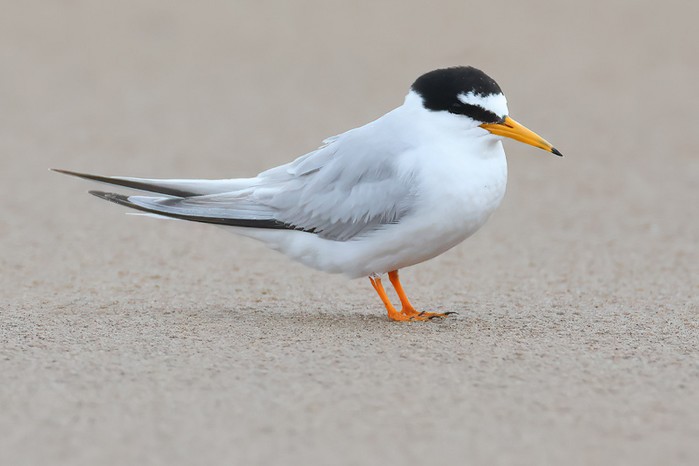
Clean sand and gravel from routine harbour dredging will be used to rebuild eroding shores in the Blackwater Estuary, creating new nesting habitat for Little Terns, Ringed Plovers and Oystercatchers.
The RSPB reported that the £2.5 million Beneficial Use of Dredged Sediment project began in October. It brings together the charity, Harwich Haven Authority, Essex Wildlife Trust, ZSL and local conservationists.
Material produced while keeping shipping channels safe will be placed at Cobmarsh Island, Old Hall Point and other locations rather than disposed of at sea. Tides are expected to reshape the deposits into more natural shingle banks, protecting sheltered creeks and mudflats from waves and storm surges.
The RSPB says less than 1% of dredged sediment is currently put to beneficial use nationally. The Blackwater scheme is intended to test how a waste stream from essential port maintenance can instead support habitat restoration, natural flood management and carbon-storing saltmarsh.
The new banks should create shallow scrapes above the normal tide line where Little Terns, Common Terns and Ringed Plovers can nest. These birds are vulnerable to recreational disturbance and to high tides, while sea-level rise is reducing the margin between suitable shingle and the water.
Behind the recharge sites, surviving saltmarsh and mudflat support wintering Black-tailed Godwits, Redshanks, Curlews, Grey Plovers, Knot and Dunlin. Wigeon, Teal, Pintail, Shelduck and Dark-bellied Brent Geese also use the estuary in winter.
James Dunn, Senior Project Manager at RSPB, said the partners aim to support declining species while reducing flood risk to coastal communities. He described the work with a major port as a case study for restoring landscapes for people and nature.
We are delighted to be delivering habitat restoration and natural flood management in the Blackwater Estuary with our partners.
James Dunn, RSPB
The recharge will build on earlier work by the Mersea Harbour Protection Trust. Harwich Haven Authority says using maintenance material locally can strengthen the estuary while preserving navigable channels that remain important to the regional and national economy.
Funding includes the Environment Agency and Defra Natural Flood Management Programme, GBP175,000 from Harwich Haven Authority, and support through the Transforming the Thames programme. ZSL says that wider initiative is working towards restoring more than 320 hectares of coastal habitat by 2030.
Expected ecological gains remain projections. Deposited sediment must settle into suitable profiles, vegetation and invertebrates need time to colonise, and nesting birds will still require protection from disturbance and predators. Monitoring will be needed to show whether birds use the new sites and whether flood exposure changes.
The project is therefore both a habitat intervention and a practical trial. Its value will depend on whether clean sediment can be placed at the right height and grain size, retained by natural processes and managed so that breeding birds can benefit during the most sensitive months.
22 Oct 2026
Get Breaking Birdnews First
Get all the latest breaking bird news as it happens, download BirdAlertPRO for a 30-day free trial. No payment details required and get exclusive first-time subscriber offers.




