


Seasonal signs may curb dog disturbance of ground-nesting birds
A Surrey study suggests timely messages about vulnerable wildlife attract more attention than generic instructions to keep dogs under control.
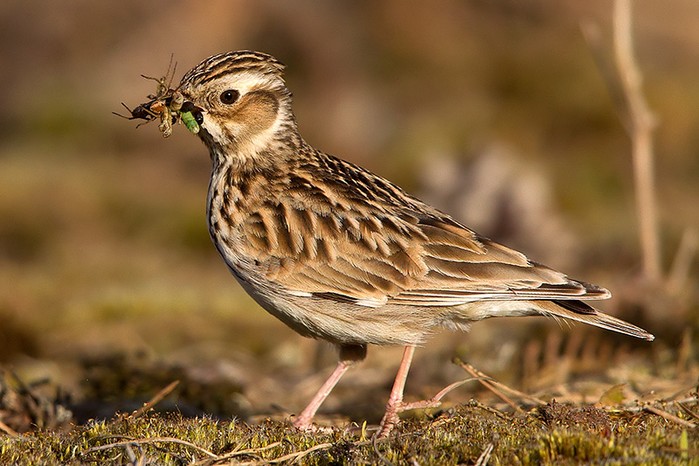
Seasonal signs explaining why ground-nesting birds are vulnerable may be more effective than generic instructions telling visitors to keep dogs under control, a study in Surrey suggests.
Researchers completed 40 hours of observation at Puttenham Common, the Chantries and St Martha's Hill, Norbury Park and Denbies Wine Estate. They also held a workshop with 15 farmers, land managers, rural business owners and conservation professionals.
The observations recorded off-lead dogs entering undergrowth, disturbing birds and approaching livestock. Phones, headphones, conversations and the demands of supervising several animals sometimes divided walkers' attention and left them unaware of what their dogs were doing.
Researchers also recorded 11 occasions when owners did not notice a dog defecating. Waste was concentrated about 50 to 100 metres from car parks and along heavily used paths, reflecting the tendency of dogs to relieve themselves near the beginning of a walk.
Most walkers nevertheless picked up after their dogs, and some collected waste left by other animals. The study therefore argues against dividing people neatly into responsible and irresponsible groups.
“Most people care deeply about their dogs and the countryside. Problems frequently arise because their attention is divided.”
Dr Tom Roberts, University of Surrey
Seasonal signs that explained the vulnerability of ground-nesting birds attracted more attention than general requests to keep dogs on leads. Engagement appeared to fall as signs became familiar, suggesting that timing and renewal may be as important as the wording.
Workshop participants favoured short, friendly messages at junctions and other places where walkers make decisions. They also suggested placing bins where dogs commonly defecate, establishing off-lead areas away from sensitive habitat and involving local users in stewardship.
The approach recognises that dog walking provides exercise, social contact and a connection with nature while also creating unintended pressure. Designing facilities around actual routines may make it easier for visitors to protect birds without presenting every conflict as deliberate rule-breaking.
The work was small and qualitative, covering four sites rather than measuring behaviour nationwide. It does not show how much disturbance a particular sign prevents or whether initial attention produces lasting compliance. It does, however, give land managers practical ideas to test during the nesting season, when a dog leaving the path can displace an incubating bird or expose eggs and chicks.
9 Sep 2026
Get Breaking Birdnews First
Get all the latest breaking bird news as it happens, download BirdAlertPRO for a 30-day free trial. No payment details required and get exclusive first-time subscriber offers.




