Annual Rarity Review 2020: Part Two July - December
There’s no arguing that 2020’s initial offerings were pretty special. The first six months of the year had already delivered a rich cast of unforgettable rarities. However, it was after the half-time whistle that things got hectic. While the mega seabirds kept coming, a busy autumn for passerines and waders built up momentum until it was hard to know which way to turn, or what might come next. Here we look back at what the second half of 2020 had up its sleeve, and it was a lot...
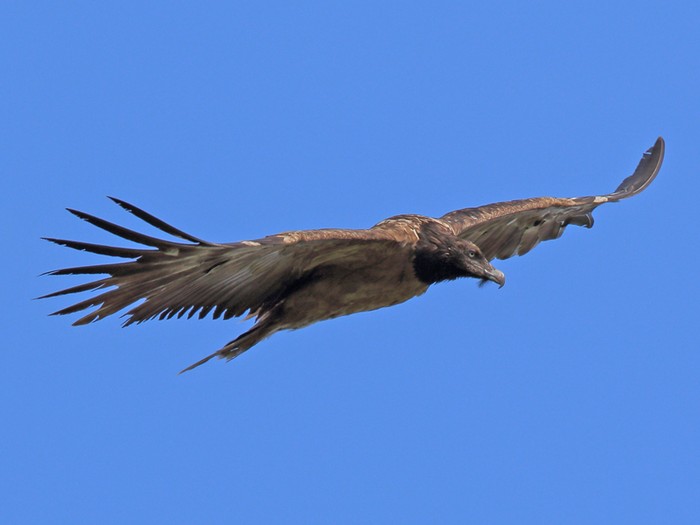
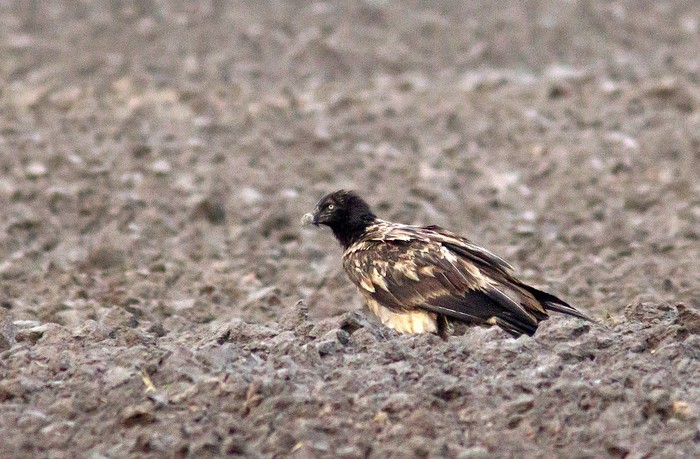
Early in July, regular sightings of the Lammergeier started to trickle through from the Peak District National Park, the bird crossing into both South Yorkshire and Derbyshire. Once it settled the core of its range to the area east of Howden Reservoir, from 8th, a day of vulture spotting became a realistic option for a trip out. The game changer came when its roost site was found on the evening of 10th, on a cliff on Howden Moors, and a little later the penny dropped that it often flew over the A57 layby at Cutthroat Bridge. It changed its routine after a little while but continued to delight a constant turnover of admirers at various points in the National Park until 19th September, when it roosted at Lathkill Dale. More on the subsequent sightings of this very popular bird later. Alongside the birders, the general public came out in force to combine a bracing walk with the chance to see a vulture in the wild and it understandably caught the attention of the mainstream media.
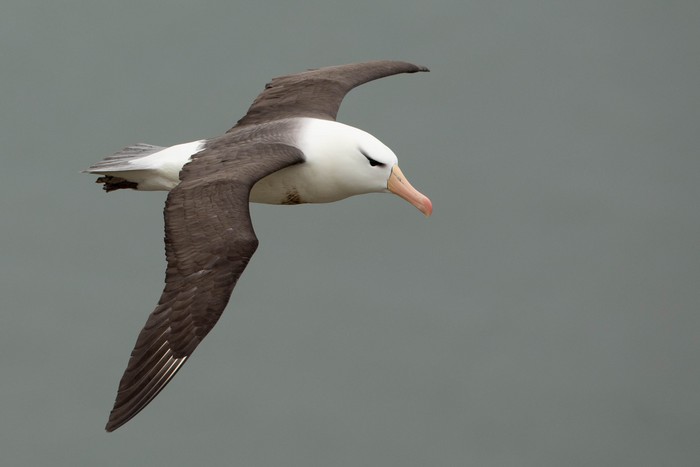
Early July marked a repeat performance from a mega seabird, a full three years on from what was surely the same individual – that has toured the North Sea since 2014. Two lucky birders, visiting Bempton RSPB (East Yorkshire) for the first time, came eye to eye with an adult Black-browed Albatross again riding the updraughts of the cliffs late in the afternoon of 2nd July. Like the last time it dropped in there, at the very end of June 2017, it again proved infuriatingly half-twitchable in 2020, only showing once again that evening and a couple of times the next morning. Once it vanished, the next sighting wasn’t until 13th July, when it was clocked offshore at Howick (Northumberland).
And that was only the start of an astounding month for seabirds. Among rafting Balearic Shearwaters off Portland Bill on 8th July was a bird which to all intents and purposes matched Yelkouan Shearwater in appearance. Being in with a settled raft, many seized the chance to get their eye in with these difficult birds, and indeed it turned out to be plural, with careful observation confirming the presence of two different Yelkouan contenders among the Balearics. Of course, there’s no escaping the fly in the ointment that is the population of birds called ‘Menorcan shearwater’, which look just like Yelkouan but, on current understanding at least, are not. The last sighting was the next evening, giving a window of opportunity which it’s hard to imagine will be beaten any time soon, regardless of “tickability”.

The same day that the “Yelkouans” were discovered, a Sooty Tern, plausibly the same bird seen in Anglesey in June, lingered off the power station at Sizewell (Suffolk) for a little over an hour. Later in July there were sightings off Ayrshire, at Culzean Bay, on 23rd, then in Northumberland from 25th through to 29th, with most birders snatching views at Cullernose Point.

In Co.Wicklow, a few birders had the opportunity to get close and personal with a Brown Booby on the beach at Greystones from 13-14th July but the episode took a sad turn, the wrecked bird dying shortly after it was taken into care. Rather less close and personal was one on a boat 84 miles off Cape Clear (Co.Cork) on 16th. A Fea’s or Desertas Petrel off Polperro (Cornwall) on 27th mounted the seabird excitement even further, and we weren’t to be let down...

Scilly Pelagics has become a summer staple for a loyal band of birders and the results of the trips on the Sapphire are no stranger to our roundups. People keep coming back because, for one thing, smashing views of some iconic and otherwise tricky pelagic species are pretty much guaranteed, and there’s that possibility of being there for one of those unpredictable moments of pandemonium when a mega skirts past the boat.
Zino’s Petrel, with a world population limited to fewer than 100 pairs in Madeira, has sailed through many a seabirder’s daydream as a potential encounter in British and Irish waters. Despite its extreme global rarity, it has long been considered a plausible vagrant, in theory. The problem, however, after suspecting or even knowing that a Zino’s has gone through the telescope, would be convincing the committees. Were bookies to take bets on such things, Scilly Pelagics would surely have had the strongest odds on nailing the first British Zino’s. Patrolling prime waters with some of Britain’s sharpest seabirders and photographers, some might have said it was only waiting to happen.

As the Sapphire steamed back to St.Mary’s on the evening of 30th July, after a respectable outing all round, the dream came true when a dainty Pterodroma with generous white in the underwing passed by. All on board knew they’d just seen Britain’s first Zino’s Petrel but – considering the magnitude of the claim – the announcement was deferred till the following morning, once full examination of the photographs ensured the record was watertight. It will stand as just the third confirmed record away from Madeira.

July didn’t fail to offer up some early waders, with an adult Stilt Sandpiper on Sanday (Orkney) for three days from 22nd and a Pacific Golden Plover turning up at Derrybeg (Co.Donegal) on 29th, as well as Semipalmated Sandpiper in Highland, Spotted Sandpiper in Co.Antrim and three new Long-billed Dowitchers. A Laughing Gull was found in Co.Dublin, while Bonaparte’s Gulls appeared in Argyll, Western Isles and Co.Louth.
A juvenile Great Spotted Cuckoo was seen in flight near Thornham (Norfolk) on 17th July and Shetland enjoyed an arrival of five Two-barred Crossbills and a Great Reed Warbler.

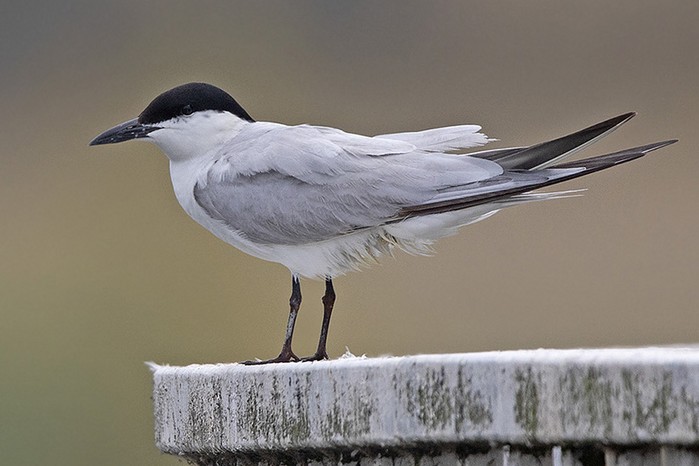
Frampton Marsh (Lincolnshire) hosted a popular Caspian Tern from 10-21st July, the species also gracing Suffolk, Gloucestershire, Northamptonshire, Hampshire, Lancashire and Cumbria through July. Gull-billed Terns can be slippery customers so it was a pleasant change for one to be quite settled at Alton Water (Suffolk), for over two weeks from 29th July.
Naturally, August ramped up the pace considerably as the ornithological autumn really got down to business. It wasn’t long until another outrageous seabird record, with a report of two Brown Boobies past St.Levan (Cornwall) on 2nd.
A brief Pacific Golden Plover on the Blyth Estuary (Suffolk) on 7th August was followed up by a more obliging bird along the Northumberland coast between Boulmer and Newbiggin from 9-22nd. August saw a decent run of south coast Kentish Plovers, with two in Kent and others in Devon and Dorset. The month also saw Spotted Sandpipers in Cornwall, Co.Down and Scilly and a Semipalmated Sandpiper in Co.Derry.
The seemingly immortal Forster’s Tern was back at Dundalk (Co.Louth) on 8th August, while the month produced sightings of Caspian Tern in six counties across Britain and Ireland, and Gull-billed Tern in five. Two Bonaparte’s Gulls were found in Argyll.
A Thrush Nightingale trapped and ringed in Cornwall on 9th August was followed by two birds on Fair Isle later in the month.

Incredibly, August offered the totally unforeseen chance to twitch another difficult shearwater, with a Scopoli’s Shearwater blogging around the waters off South Queensferry, below the Forth Bridge (Fife/Lothian), from 9-11th. It helped that the bird had distinctive damaged to one wing, which thankfully didn’t seem to hinder it, and this led to it being identified off Mundesley (Norfolk) on 15th. You still had to be quick off the mark to see it in Scotland, but many did and 2020 will long be remembered as the year that Yelkouan and Scopoli’s Shearwaters could be enjoyed from the British mainland within a matter of weeks.

12th August brought a Roller to Easington (East Yorkshire) and the first Aquatic Warbler of the year to a mist net in Lytchett Bay (Dorset) but neither gave itself up. Booted Warblers treated birders in Co.Durham and Fife in August, while Shetland had the month’s two Arctic Warblers. In Highland, a female King Eider was found off Dornoch Point on 13th.

In Norfolk, Winterton Dunes dished out a couple of big rewards for birders in the field. First was a Sardinian Warbler on 16th August, though the news was put out days late, then a pale morph Eleonora’s Falcon photographed on 20th, its identification realised when the shots were posted online in the evening and never seen again.
Pendeen in Cornwall dominated the seawatching headlines in the latter half of the August, beginning with a Fea’s or Desertas Petrel on 19th, then a report of a Black-browed Albatross the next day. Two days after the albatross, a band-rumped petrel species was multi-observed off the lighthouse and, to top it all off, yet another one of those Brown Boobies went through offshore on 27th. By the end of the month, Cornwall had its fourth Fea’s/Desertas of the season and others, while Co.Cork had two and others had been seen off Devon and Orkney.
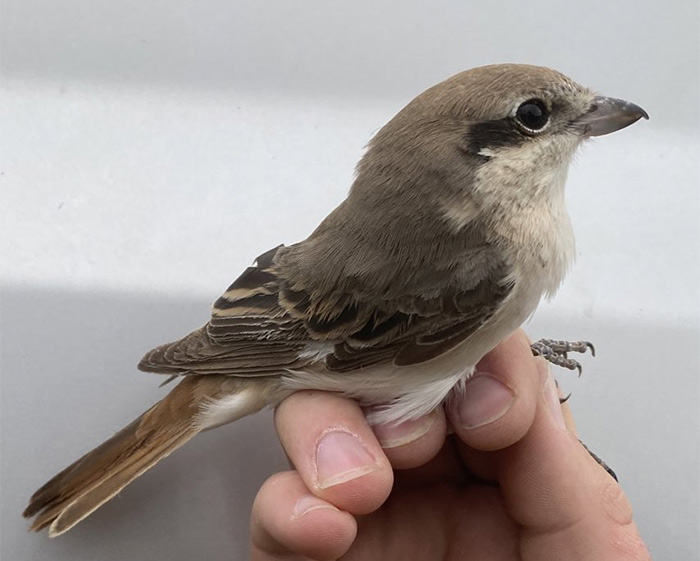
23rd August brought an adult female Turkestan Shrike (confirmed later through DNA analysis) to North Ronaldsay, and a Western Bonelli’s Warbler to Fair Isle. The lucky residents of Mull (Argyll) who had a male Two-barred Crossbill on their feeder will find it hard to top that as a garden visitor.
What would be Britain’s first record of a Bridled Tern in juvenile plumage was claimed off Lundy (Devon) on 26th August. Lundy has Devon’s only earlier record, which was of a wing found in good condition on the island in 1977. The Isabelline Wheatear at Carmel Head (Anglesey) on 30th August was almost as surprising, for its combination of date and location, and will stand as Britain’s earliest ever autumn record.

On the final day of August, the regular adult female Snowy Owl on St.Kilda (Western Isles) - nicknamed ‘Snedge’ - was reported for the first time in 2020, and a juvenile Pallid Harrier was seen quartering Thorney Island (West Sussex). The harrier was there for most of the next day then vanished until it was tracked down the next afternoon on the Isle of Wight, where it spent five days. From 10-15th September it was back on Thorney, giving Sussex birders another stab at this fourth for the county.
September’s first mega rarity was Britain’s fifth Semipalmated Plover adeptly picked out on North Ronaldsay on 7th, going on to complete a four-day residence on the island and pipping a Wilson’s Phalarope on Burray from 3-5th as the best wader on Orkney.


Far from the rarest species the island has turned up, the British record flock of five Blue-winged Teal on Barra (Western Isles) on 8th September still goes down as one of its finest moments of the year. A flurry of sightings of up to four around the Western Isles went on over the rest of the month but it’s hard to know which were fresh in, though it is safe to assume the two in Co.Mayo were unrelated.

Northern Ireland got a piece of the Black-browed Albatross action on 9th, with one passing Bloody Foreland (Co.Donegal) mid-morning and making it to the waters off Copeland Island (Co.Down) just over eight hours later. Seawatching points in the west produced a decent run of Fea’s or Desertas Petrels in September, with these Pterodromas logged at Bridges of Ross (Co.Clare) on 3rd, Fanad Head (Co.Donegal) on 4th, Corsewall Point (Dumfries & Galloway) on 9th and off Co.Cork on 27th.
Scilly had a Western Bonelli’s Warbler on Bryher (Scilly) from 9-10th September, then one was found on Portland (Dorset) on 11th. Later in the month, a third bird was found on Out Skerries (Shetland) on 18th.
Hampshire is one of the few counties that still turns up Aquatic Warblers regularly, so Hook Links was a logical venue for the second bird of the autumn, this time a field sighting and gettable or those willing and able to take a punt on following up the initial sighting on 11th September. The next day Lundy struck again with a juvenile Sora, which stayed a night on the island before moving on.

Just ten days short of the 10-year anniversary of his Northern Parula, in a quiet but enticing corner of Tiree (Argyll), John Bowler’s garden sealed its place in birding history when a Yellow-bellied Flycatcher pitched up on 15th September. This latest Empidonax flycatcher was a first not only for Britain but the whole Western Palearctic and delighted a steady stream of birders during its nine days in the enviable Bowler garden.
With the autumn’s first Lanceolated Warbler also turning up on 15th September, on North Ronaldsay, if this was just the start, then it was clear that good times were ahead. Indeed they were. Sure, there was yet another Brown Booby, past Trevose Head (Cornwall) on 16th but it was time for the landbirds to take centre stage.
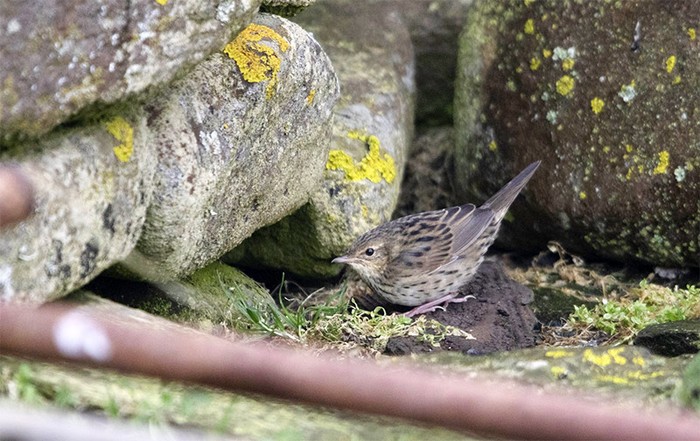
News of a Swainson’s Thrush ringed at Birsay on Mainland Orkney on 17th September inspired further hopes of rich Nearctic pickings and it was soon followed by a five-day Bobolink in a boggy field at Fanad Head (Co.Donegal) from 20th, Ireland’s fourth. Hardly the big deal it once was, a showy Brown Shrike which stayed just as long at Warham Greens (Norfolk) from 18th was available to more folk and, of course, not to be sniffed at, bringing some eastern flavour.

On 20th September a Collared Pratincole was found at Ballinskelligs Strand (Co.Kerry). Two days later, a Laughing Gull was reported near Loch Fleet (Highland), complimenting nicely the adult Franklin’s Gull which had toured the Bradford area (West Yorkshire) from 11-15th.

Rarities came thing and fast from all angles over the last 10 days of September. The south-west delivered Great Snipe on Scilly, another Aquatic Warbler in Dorset, plus Tawny Pipit and Paddyfield Warbler near Land’s End. An adult male Pallid Harrier was a fine record for Wiltshire, seen near Chippenham on 23rd; another Pallid had been seen in Cornwall on 19th and 20th.

South Gare (Cleveland) was home to a Siberian Stonechat - as later confirmed by DNA analysis – from 24-29th September. Fair Isle hosted a White’s Thrush on 26th and a Pallas’s Grasshopper Warbler the next day. A Booted Warbler in Shetland was followed by another in the Western Isles. Also on Shetland, an adult male Snowy Owl turned up at the traditional location of Ronas Hill on 4th September.

After a 20-minute sighting of a – probably the – Black-browed Albatross off Holy Island (Northumberland) on 25th, surely the same bird again was tracked by multiple observers stationed along the Suffolk coast between Lowestoft and Thorpeness on 28th. Hurlstone Point (Somerset) wasn’t where we expected the next albatross report the next morning, but this confirmed there wasn’t only just one individual at large.

Picking up on the story of the Lammergeier, after it left the Peak District, it was eyes to the skies further south. The day after it was last seen at roost, it was spotted over Leicestershire in the afternoon but that was it until 28th September when it cast its shadow over Norfolk, near Beetley.

Three big hitters were discovered on 29th September, hailing from east and west. Exciting news came through in the morning of a Tennesse Warbler on Yell (Shetland) at Burravoe. Being just the fifth British record and the first after a 25-year wait, it was a good thing that it hung around till 4th October, allowing those keen enough to catch up with it. A few hours after the Shetland news broke, we heard that the identification of a difficult Phylloscopus warbler at Budle Point (Northumberland) had been firmed up, and it was a Two-barred Greenish! The last twitchable bird was only in 2017 but for anybody who missed that Dorset bird, this was one to go for. It showed occasionally in testing weather the next day and just into another morning but, after that, it was a matter of waiting for the next one.


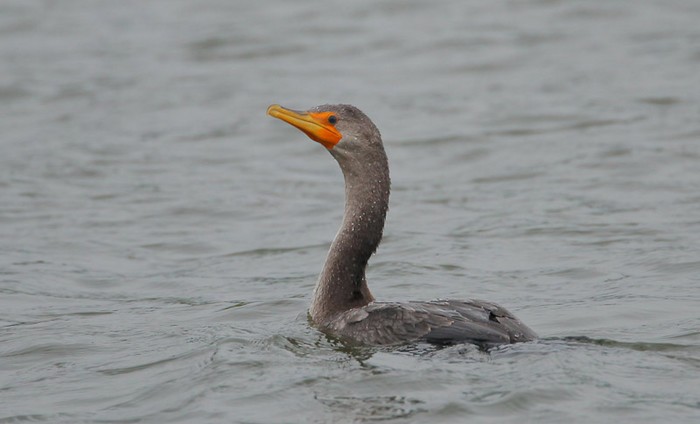
That third mega? Well, it was a Double-crested Cormorant hitching a ride on a boat 149 miles off the coast Co.Kerry. Of course, the news was of little practical use but the pictures of it being gently returned overboard gave fresh hope of one on terra firma, as well as a touch of comic relief. Back on that terra firma, another Wilson’s Phalarope had turned up, at Martin Mere (Lancashire), staying till 1st October.

September wasn’t done yet, with the last day of the month bringing news of a first-winter female Siberian Thrush at Kilminning (Fife) and an Upland Sandpiper on Inishbofin (Co.Galway). Although the latter was a brief affair, the thrush remained for just short of a week and most visitors came away happy, though good views were hard earned. Considering this was the first Siberian Thrush people had a chance of seeing this century, it was fitting that the county was that which hosted Britain’s first back in 1954.

Over the course of September, Shetland racked up seven Arctic Warblers, with two in Norfolk and others in Co.Durham, East Yorkshire and Co.Wexford, the latter being a significant occurrence in Ireland. Shetland also had a glut of Hornemann’s Arctic Redpolls, with at least eight on the islands noted during the month. Fair Isle had two Rustic Buntings and a Two-barred Crossbill, while Orkney bagged an Eastern Subalpine Warbler and 10 Red-throated Pipits were reported across the British Isles.
September also saw the arrival of 11 Semipalmated Sandpipers, 10 Baird’s Sandpipers, three Spotted Sandpipers and five Long-billed Dowitchers across Britain and Ireland. A King Eider appeared in Highland and Bonaparte’s Gulls were found in Cheshire and Co.Limerick, with two in Co.Cork.
October picked up the pace with the rare thrushes. A Swainson’s Thrush on Dursey Island (Co.Cork) on 1st was followed by birds on St.Mary’s and Bryher (Scilly) in the first half of the month. On 7th October there were three Eyebrowed Thrushes in the Northern Isles, with the bird found on North Ronaldsay on 2nd being ‘joined’ by two separate birds in Shetland. Eight White’s Thrushes were found throughout the month, mainly on Scottish islands but including birds on Lundy and in Co.Galway.

The scene was further set early in the month with a Great Snipe flushed at Sandilands (Lincolnshire) on 2nd October, followed by one arriving off the sea at Landguard NR (Suffolk) on 3rd. Three Booted Warblers and a Western Bonelli’s Warbler also added to the excitement in the first ten days of October.


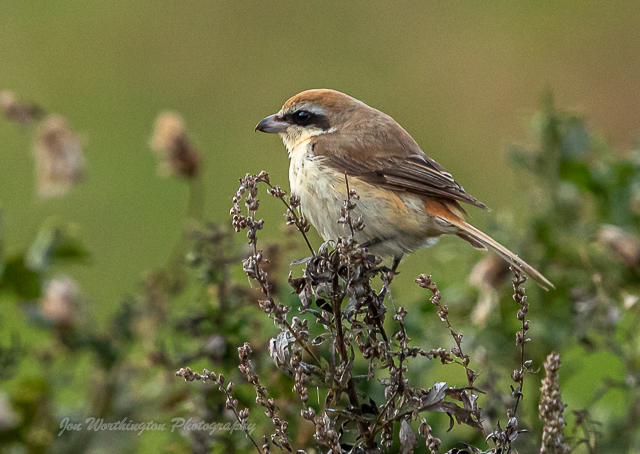
Britain’s fourth Masked Shrike, at Hartlepool Headland (Cleveland) from 3-4th October was followed by the fifth, another first-winter staying just two days, at Reculver (Kent) from 17th. Both were county firsts and, being so far apart, gave a fair few people a chance to catch up with one. 4th October brought two other quality shrikes to our shores, with a Steppe Grey Shrike beginning a four-day visit to Suffolk and a Lesser Grey Shrike on Holy Island (Northumberland). Holy Island later hosted one of the five Brown Shrikes to turn up in October, the most remarkable of which was the inland adult male which spent five days in a field margin at Johnny Brown’s Common (West Yorkshire).
Ireland boasted two Black-browed Albatross sightings on 3rd October, with one seen from a boat off the coast of Co.Mayo and another passing Brandon Head (Co.Kerry). A Pallid Swift at the prime location of North Foreland (Kent) on 5th was followed later in the month by birds in Suffolk and Hampshire.

Dorset became the first county to record its second Short-toed Eagle, following the unblocking bird of 2014 which was first discovered at Morden Bog, but the bird on 5th October 2020 was found in less cheerful circumstances. After being seen flying over Ballard Down, a couple of walkers came across the drenched and shocked bird on the beach at Hengistbury Head. It was then taken in for rehabiliation but, unfortunately, succumbed two days later. A sorry end for the fourth of these magnificent raptors to make it to Britain. This closely followed another mega raptor in Co.Cork, a Northern Harrier near Barrys Head from 3-4th.

Pallid Harriers through Wighton (Norfolk) and Hollesley Marshes (Suffolk) on 5th October where right place, right time jobs. However, an adult female available at Middleton Lakes (Staffordshire/Warwickshire) for a full four days from 7th was a much bigger deal for West Midlands birders. A late Little Bittern was seen flying over Old Town Bay on St.Mary’s (Scilly) on 6th was followed by another at Huttoft Bank (Lincolnshire) on 7th.

Hot on the heels of the Shetland bird, Ireland scored its first Tennessee Warbler on 6-7th October. Mighty Inishbofin in Co.Galway was a natural venue for such an event, an island with an enviable track record for American landbirds and just having churned out that Upland Sandpiper. Further south along the Galway coast, on 10th October, the lesser-known Inishmore came up with a bird which Ireland clearly has the flair for: a Philadelphia Vireo. Its nine day stay easily beat the previous two Irish records, and the sole British bird found a certain RBA founder on Scilly back in 1987.

Overnight ringing on 7-8th October at Timoleague (Co.Cork) was rewarded with a Least Sandpiper in the hand. Birders in Hampshire were kept busy with a fearless Wilson’s Phalarope at Pennington Marshes from 9-20th October, which proved a precious opportunity to photograph this species well in Britain.
More amazing #waders caught and ringed on the beach last night in Co Cork. 2 Little stint were amazing to see in the hand, but just when we thought they couldn't get smaller, we catch a LEAST SANDPIPER from N America - the tiniest wader species of all, a real treat! @SamBayley2 pic.twitter.com/O9PW3yjubU
— James O'Neill (@Jamesoneillii) October 8, 2020
Only a bird on the Western Isles in the early 2000s exceeded the stay that the Pacific Golden Plover found in Findhorn Bay (Moray) on 10th October ended up taking; it was still loosely mingling with the Golden Plovers at the end of the year. The month brought a good few other waders, including two each of Kentish Plover, Spotted Sandpiper and Baird’s Sandpiper, plus singles of a Semipalmated Sandpiper and a Long-billed Dowitcher.

Back to another big raptor, the Lammergeier was spotted over both Lincolnshire and Cambridgeshire on 7th, before it settled along a road in the latter county, not far from Spalding, the next day. Birders held their breath as it dropped down onto the road to feed on roadkill. It remained in the area till 11th when it was seen overhead near the RSPB headquarters at Sandy (Bedfordshire). The following day it was seen near Tunbridge Wells (Kent), so it was logical that it was drawn towards Beachy Head (East Sussex), where it was found on 14th October. After touring the area till the following lunchtime and one or two false starts out over the Channel, it did eventually disappear as a speck towards France. There were two sightings of what was probably ‘our’ bird in France later in October, so it was a relief to be quite sure that she had made it safely back to the Continent after such a daring adventure. Genetic analysis of feathers found while the bird was in Derbyshire identified her as a female called ‘Flysch’ hatched in the north-west Alps in 2019 to a wild-hatched father and a mother released in 2006.

Scilly was having a quiet time as the season opened, with nothing to write home about in the first week of October. What better way for fortunes to turn than with a Black-and-white Warbler on the back of far-reaching westerlies? Lloyd Doughty’s philosophy is to pay special attention to Goldcrest flocks and on 8th October it paid off with one of these American humbugs along Pool Road on Tresco. Available for one day only, virtually everybody on the islands at the time managed to clap eyes on it, surely the bird of the autumn for the archipelago.

Later on the day of the Black-and-white, photographs of a ‘Nightjar’ in flight over Pagham Harbour (West Sussex) were reidentified as showing a Common Nighthawk! The time of year made sense, but the location was incredible. With barely enough light in the day to travel, it was only the locals that managed to catch a glimpse as it continued to patrol the Church Norton side of the harbour. Birders in position at dawn and dusk the next day drew a gut-wrenching blank. Meanwhile, the first of October’s two Blackpoll Warblers turned up in Co.Cork, the other being a bird which spent a fortnight in Shetland from 16th.

In Highland, initially tantalising views of a confusing warbler at Lothbeg Point on 10th October pieced together to reveal the first Western Orphean Warbler for mainland Scotland, an adult male, and Britain’s seventh. Much better views were on offer throughout the next day, then it was but a memory, and on reams of excellent photographs. It wasn’t the only big grip from Scotland that day, with a Rock Thrush found on Fetlar (Shetland).

It was the west coast again that pulled out another Isabelline Wheatear on 12th October, with a bird on Lundy. The fourth – yes fourth! – Short-toed Treecreeper of the year for Dungeness was at the old lighthouse on 14th.

Trow Quarry in Co.Durham is etched in many a birder’s memory for hosting the first Eastern Crowned Warbler for Britain back in 2009, a twitch that made the mainstream national news. It dealt us another high-end rarity this autumn, with a Taiga Flycatcher showing nicely there from 14-18th October, only the fourth for Britain, and the first since the year of that Eastern Crowned.

There are a few species which are simply emblematic of British twitching culture. Some, like Siberian Rubythroat, have become routine vagrants but that aura is preserved by their unique character and remoteness of origin. Others have remained so stubbornly rare – or rather absent – over the decades that their iconic status has not even faced that test. Rufous Bush Chat, along with most of the other megas famously cast ‘just a bird’ in that unforgettable Gyr Crakes video, is one such bird that has kept us all waiting and waiting... and waiting. That is, until this year, one stopped John Reeves in his tracks at Stiffkey (Norfolk) on 17th October. The last to be recorded in Britain was 20 years earlier, in Devon, and the last time one was truly gettable was in 1963, providing the postcard arrived in time. Thankfully, and to the delight of so many, this one was no trouble, only moving on after it had notched up a five-day stay and a place on many lists.

Co.Mayo become the fifth Irish county with a Pacific Diver to its name on 18th October, when an adult was found floating around in Blacksod Bay. Northumberland hosted a female Desert Wheatear at Boulmer from 18-23rd. Another nice find was a female Pine Bunting on Unst (Shetland) from 20-22nd October.


The Scilly season drew beautifully towards its conclusion with a Rose-breasted Grosbeak on Gugh on 24th October, trumped by an Indigo Bunting on adjoining St.Agnes the next day. Excited panic ensued for birders both on and off the islands. Those on, it turned out, had nothing to worry about, as it obliged the boatloads for the rest of the day but – of those travelling from elsewhere – only those who scrambled the fastest to reach ‘Aggy’ the next day scored. It flew from its favoured path and that was that. The long-staying bird on Ramsey Island in 1996, one of only three previous British and Irish records, meant a fair few didn’t need it but are still many listers waiting to join the Indigo club. An American Buff-bellied Pipit, one of four to turn up in Britain during October (the others all on Scottish islands), had been among Scilly’s other offerings so it had been another respectable season on the archipelago.

Also on 25th, an East Siberian White Wagtail (the form ocularis) was a gripping below-species-level find on Unst (Shetland), the first of this race for Britain no less, though its stay lasted all of five minutes. The next day, the last Fea’s or Desertas Petrel was logged from Pendeen Watch (Cornwall).

28th October brought a Mourning Dove to a mystery site in Co.Kerry, Ireland’s fourth record, and a Black-headed Bunting on Islay (Argyll). Skokholm (Pembrokeshire) had the autumn’s second Upland Sandpiper on 31st October.
By the end of October, Scilly had three of the autumn’s five Red-eyed Vireos to its name, while the month brought Shetland three Pallas’s Grasshopper Warblers and five Lanceolated Warblers, with another of the latter on North Ronaldsay. It had been a phenomenal time for Eastern Yellow Wagtails, with seven birds across Britain and Ireland, illustrating how far understanding of that species has come, or the surge in numbers making it here, or most probably both. In a similar vein, no fewer than 20 eastern stonechats throughout the month included two confirmed by DNA analysis as Stejneger’s.

Two Richardson’s Cackling Geese arrived on Islay (Argyll) on 3rd October, followed later in the month by another brace on North Uist and lone birds in Forth and Co.Mayo. A Lesser Scaup spent nearly two weeks at Chew Valley Lake (Somerset) from 23rd October and Bonaparte’s Gulls were identified in Pembrokeshire and Co.Carlow.

Shetland only got busier with Arctic Redpolls, notching up seven Hornemann’s and five
There was still plenty action to spill over into November. A Hermit Thrush at Mizen Head (Co.Cork) on 3rd November continued a fantastic autumn for rare thrushes. Meanwhile, the wader line-up was built up with a Hudsonian Godwit which turned up on the Eden Estuary (Fife) the same day. This was another case where the bird was ‘found’ online in a photograph labelled as Bar-tailed Godwit, with news getting out a few days after it was taken but all’s well that ends well, with this second-for-Scotland sticking around till 17th December. South Gare (Cleveland) had a Hudsonian Whimbrel on 4th but was soon gone.

Remember that tantalisingly brief Common Nighthawk in Sussex in early October? There was a sense of déjà vu when, equally out of the blue, what’s tempting to consider the same bird was photographed hawking over Burham Marsh in neighbouring Kent on 6th November. Nobody else saw the bird this time and yet again a stakeout the next day simply drew a blank, it had slipped away.

Pied-billed Grebe introduced itself to the avifaunas of two counties in November, thanks quite possibly to the same individual bird. The Cumbrian birding gem that is Walney Island hosted one for three days from 6th, then it was the turn of Chelmarsh Reservoir (Shropshire), with had a – or the – Pied-billed Grebe from 26th November to 17th December.

In the Western Isles, the island of Lewis turned up a late Brown Shrike on 6th November, which ended up staying for five days. A most obliging Greater Yellowlegs spent 7-19th November at Dingle Marshes, the third county record and the best chance to enjoy and photograph this species in Britain for a few years. What’s more, it showed alongside a duo of Eastern Yellow Wagtails, one of which was the brightest individual of the seven birds available during the month.

Ireland landed not one but two Belted Kingfishers in Ireland in quick succession. The first was near Castletown Bearhaven (Co.Cork) on 9th November, which incredibly set up base there beyond the turn of the year, taunting birders far and wide. Another in Co.Galway at Ballyquirke Lake was discovered the day after the Co.Cork bird but was a one-day-wonder. Somewhere in Co.Clare was a young male Lesser Kestrel, the second for Ireland, also on 9th, while a Kentish Plover - which went on to winter - was unearthed in Somerset.

A Pallid Swift reported near Newquay (Cornwall) on 9th November was followed by Lancashire’s second at Knott End on 14th and one in Weston-super-Mare (Somerset) mid-November, which was taken into care then transported to East Sussex for release. 10th November brought a Little Swift to Glengarrif (Co.Cork), an isabelline shrike sp to Yell (Shetland) and a Franklin’s Gull to Anglers’ Country Park (West Yorkshire).

If it seemed like something was missing from the autumn picture in 2020, it was a mega on the Western Isles gem that is Barra. It turned out to only be a matter of time before it pulled something major out of the hat, as we had a call that Britain’s first Ruby-crowned Kinglet had been on the island for eight days from 12th November. This came seven years after the Irish bird on Cape Clear (Co.Cork) and gives hope that there will be one at a more convenient location and time one day before too long.

In the wake of strong gusts from deep in the Atlantic, the next insane seabird record came when a White-bellied or Black-bellied Storm Petrel flew past Cley (Norfolk) on 17th.

Urban Kirkwall on Mainland was a novel setting for Orkney’s second Crag Martin on 18th and was followed by a well-twitched bird in Kent from 21st November to 4th December, mostly at Kingsdown but it sometimes went off for a change of scenery. Northumberland birders were delighted with the late autumn blessing of an American Buff-bellied Pipit which spent two days feeding near the shore at Amble from 18th, the county’s first.


There were two Desert Wheatears in the country on 22nd November, with a smart male ending its 10-day stay at Salthouse (Norfolk), where it sometimes even broke into song, and another male starting a much shorter visit to Penberth Cove (Cornwall). A Snowy Owl was on the sea wall north of Whitegate (Co.Cork) on 21st November, with a Pallid Harrier flying through Laxo (Shetland) on 24th.

November also saw some old favourites back in position. The regular drake Black Scoter was back off the Northumberland coast from 10th and the Pacific Diver returned to Mount’s Bay (Cornwall) for its 15th winter on 25th.
With the well-twitched birds of 1989 and 1995 feeling like a different era altogether, and that bird on a boat miles out to sea in September, it really seemed about time when a juvenile Double-crested Cormorant was picked out near Ballylongford (Co.Kerry) on 25th November. Even though it stayed in the area for nearly a month, it was still a fair bit short of the lengthy residences by the famous Cleveland and Co.Galway birds.
A garden in Weybourne was treated to a fleeting visit by a female Black-throated Thrush on 25th November, the second in Norfolk this century.
Sociable Lapwing has always been a charismatic bird, not least in a vagrant context, but since the turn of the century the species has become even rarer, globally and among our Lapwing flocks. When one was found in Cornwall – near St.Buryan – on 27th November, it felt like something for us all to savour, whether or not we could see it for ourselves. It had been a full 12 years since the previous bird in Britain, the biggest gap between any post-1950 records. Although playing hard to get at times, it stayed in the area till 9th December before resurfacing at Bude on Boxing Day, through to the end of the year.

A male Pine Bunting was another nice find on Tiree on 29th November. It was actually the second of the month, following one at an undisclosed location in Co.Kildare on 10th. Indeed, it was a decent month for buntings, with a Rustic Bunting showing alongside a Little Bunting at Thursley Common (Surrey). (Come December it could be seen with two Little Buntings, an incredible event inland.) By the end of the month, Hume’s Warblers had been reported in Argyll, Kent, East Yorkshire, Suffolk and Lincolnshire.

Fiskerton Fen in Lincolnshire is a well-known Bittern hotspot in the winter, but it was something of a bittern boon when an American Bittern was seen – but not photographed – there several times by the same observer over the four days from 29th November. Also on 29th, there was news of a female Bufflehead in Co.Clare but the location was withheld. Meanwhile, a Black Duck was seeing out three weeks in Co.Mayo.
Other decent wildfowl found across Britain and Ireland in November included a Hooded Merganser in Angus, Richardson’s Cackling Goose in Clyde, Lesser Scaup in Shetland, a young drake King Eider in Pembrokeshire and two “Queens” together in Co.Donegal.
A Semipalmated Sandpiper in Co.Clare and a Long-billed Dowitcher in Orkney augmented the late wader action in November, and a Bonaparte’s Gull was seen in Northumberland. On the passerine front, other highlights included a cracking Coues’s Arctic Redpoll in Dorset, an eastern stonechat sp in East Yorkshire and Red-throated Pipits in Devon and Somerset.
Late autumn matured into winter and of course the pace suddenly dropped. That said, a Slate-coloured Junco wasn’t a bad way to mark the season, especially in the concrete of west London, Hammersmith to be exact. This garden sighting on 1st December would, unsurprisingly, be the first for the London recording area if accepted, and the sixth species of American landbird seen within 20 miles of St.Paul’s Cathedral.
A drake Bufflehead was photographed at Quoile Pondage (Co.Down) on 5th December and identified when photos were posted on Facebook that night. This county first ended up staying around beyond New Year. Later in the month, another Irish Bufflehead was caught on camera flying past Aghada Pier on 20th.

Other gripping Irish December finds included a Gyr in Co.Mayo and a Spotted Sandpiper in Co.Dublin and a Lesser Scaup in Co.Waterford. along with Co.Cork’s first Pacific Diver off Crookhaven on 6th. A juvenile – and obviously therefore new - Pacific Diver was seen in Mount’s Bay off Mousehole (Cornwall) from a boat on 8th December, while one on Loch Ryan (Dumfries & Galloway) on 12th represented the first for the Scottish mainland.
An adult Franklin’s Gull at North Duffield Carrs (North Yorkshire) on 12th December was likely the bird that was found in West Yorkshire in earlier weeks. The next day it was at Thorganby Ings before moving into East Yorkshire at Ellerton Ings come the afternoon. In the last two weeks of the year, Bonaparte’s Gulls were found in Argyll and Co.Wexford. The only other new rarity in Scotland in December was a Rustic Bunting at Kingsbarns (Fife) on 7th.
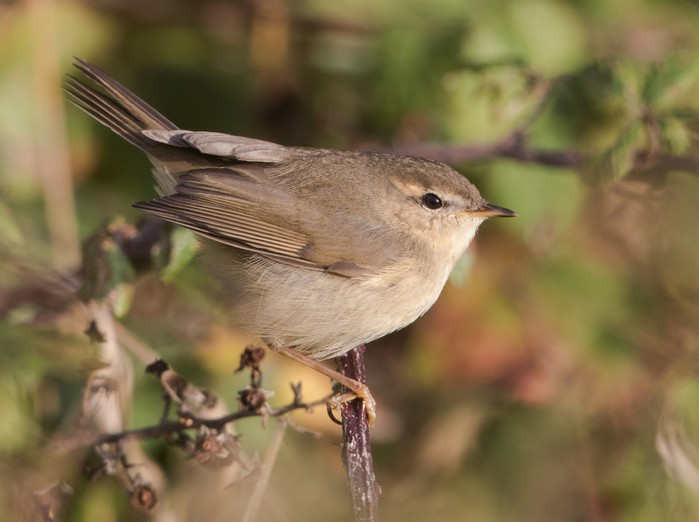
Between late September and the end of the year, a record total of 129 Dusky Warblers had been reported in Britain and Ireland, with a huge geographical spread, giving just another reason to remember 2020 as a vintage year in birding.
And so, another year came and went, one which was remarkable not only for the birds that turned up but also for the way that we enjoyed them. Considering our movements were restricted and many of us reshaped the way we enjoy the hobby, it was fascinating to see 2020 still rise to stand among the finest, and the most varied birding of recent years. I consider that to be a real cause for optimism. Despite the challenges, thousands upon thousands of us kept seeing, listening and learning.
David Campbell
January 2021
Many thanks to all contributors for your sightings, photos, videos and news throughout the year.
Share this story