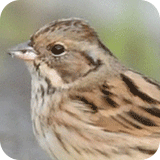
Redwings carry more infected ticks during mild late autumns
A Belgian study found ticks on almost three quarters of migrating Redwings during mild late autumns, with Borrelia detected in 12.9% of the parasites tested.
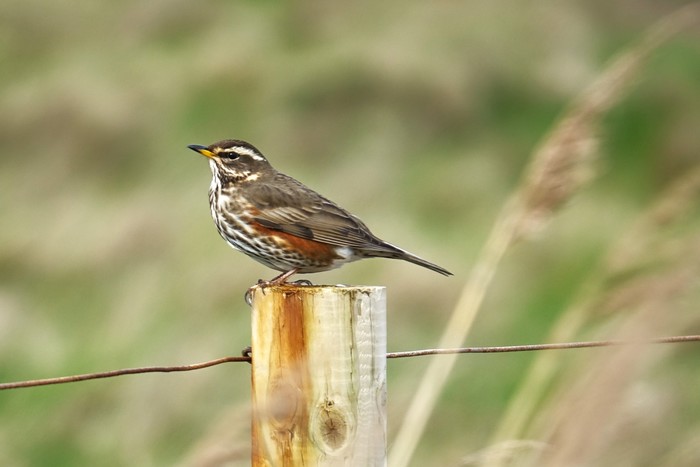
Migrating Redwings may move enormous numbers of infected ticks south across Europe during mild autumns, a study of birds passing through Belgium has found.
Ornithomedia are reporting the research as Redwings arrive across western Europe. The underlying paper in Parasites & Vectors examined whether warmer late-autumn conditions are extending the period in which ticks can attach to migrating thrushes.
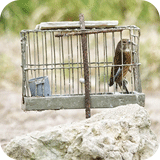
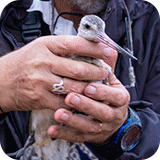
Researchers inspected 284 Redwings captured by licensed ringers between Antwerp and Herentals during November 2022 and November 2024. Both autumns were unusually mild, with European land temperatures 1.25 C and 0.98 C above the 1991-2020 seasonal average respectively.
Ticks were found on 72.9% of the Redwings, the highest infestation rate reported for the species in Europe. In 2024 the team removed 733 ticks; 698 undamaged specimens were screened for pathogens. Most were Sheep Ticks Ixodes ricinus, alongside the more bird-associated Ixodes frontalis.
Borrelia bacteria were detected in 12.9% of the ticks tested, and infected ticks occurred on nearly 30% of the birds. Six members of the Borrelia burgdorferi group were found, together with Borrelia miyamotoi. No tick-borne encephalitis virus RNA was detected.
First-calendar-year Redwings carried more ticks than older birds. The authors suggest experience, acquired resistance or more effective preening could contribute, but their data do not distinguish among those possibilities.
Using European population estimates and the observed infestation and infection rates, the researchers calculated that Redwings might have transported almost 100 million infected ticks towards southern parts of the Western Palearctic in autumn 2024. That is a modelled extrapolation, not a direct continental count.
The authors say continued warming is likely to strengthen the overlap between migration and tick activity. Redwing movements are largely cued by seasonal changes in daylight, while questing ticks respond strongly to temperature, so mild weather can keep parasites active when the birds pass through.
Continued warming is likely to strengthen this phenological overlap.
Dieter Heylen and colleagues, Parasites and Vectors
The study does not show that each transported tick survives to establish at a new site, nor that every detected bacterium presents an immediate human-health risk. Feeding ticks can detach after several days, but their eventual destination depends on bird movement, weather and habitat.
There is also an important distinction between carrying infected ticks and being an infectious reservoir. The Redwings themselves were not directly tested. Some larvae contained bacteria, which supports a possible role in transmission, but controlled work would be needed to confirm systemic infection in the birds.
Sampling covered one Belgian region and two unusually warm years. The high rates therefore should not be assumed for every flyway or autumn. Repeated surveillance across northern departure areas, intermediate staging grounds and southern stopovers would show whether the seasonal overlap is becoming a persistent feature of migration across Europe.
23 Oct 2026
Get Breaking Birdnews First
Get all the latest breaking bird news as it happens, download BirdAlertPRO for a 30-day free trial. No payment details required and get exclusive first-time subscriber offers.