


RSPB Scotland secures ownership of Bass Rock and Craigleith
The Firth of Forth islands, home to major Gannet and Puffin colonies, have entered charitable ownership for the first time in more than 300 years.
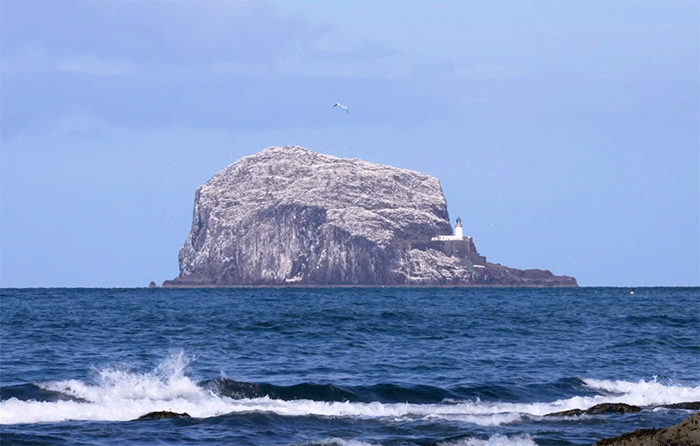
Two of Scotland’s most important seabird islands have been acquired by RSPB Scotland in a move intended to safeguard their wildlife for future generations.
Bass Rock and Craigleith, in the Firth of Forth, have been bought from the Dalrymple family with £586,000 support from the National Heritage Memorial Fund. The funding also covers the most immediate maintenance needs.
Bass Rock supports around 100,000 breeding Gannets, while neighbouring Craigleith is home to about 10,000 Puffins. Both islands are nationally important seabird strongholds and will now be managed as part of the RSPB nature reserve network.
The acquisition comes at a difficult time for Scotland’s seabirds. More than 70 per cent are in decline, with colonies facing pressure from climate change, food shortages, invasive species, disease and human activity. Bass Rock and Craigleith have also been affected by invasive tree mallow and the 2022 outbreak of highly pathogenic avian influenza.
RSPB Scotland will work with the Scottish Seabird Centre on a long-term plan for conservation, research and public engagement. The partnership has also received £372,000 in development funding from The National Lottery Heritage Fund, with the potential to unlock a further £589,000.
Plans include coordinated monitoring across both islands, practical conservation work with volunteers, and a new 360-degree viewing theatre at the Scottish Seabird Centre. This would allow visitors to watch Puffins, Gannets and other wildlife in real time without disturbing the breeding colonies.
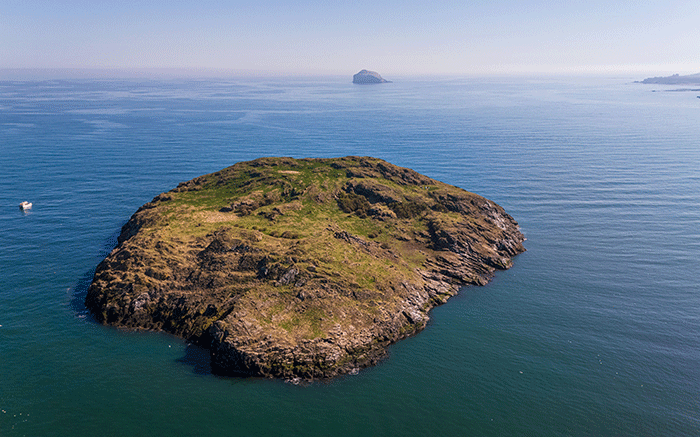
Anne McCall, Director of RSPB Scotland, said the charity was “thrilled” to be taking on stewardship of the islands.
“With the pressures facing Scotland’s seabirds intensifying, we have a responsibility to act,” she said. “This partnership gives us the opportunity to drive forward seabird recovery at this crucial time.”
Harry Huyton, Chief Executive of the Scottish Seabird Centre, described Bass Rock and Craigleith as “among the world’s most awe-inspiring natural wonders” and said their inclusion in the RSPB network marked a historic day for Scottish nature.
Sir Hew Dalrymple, the former landowner, said his family had been custodians of Bass Rock for more than 300 years, but that seabird colonies in the Forth now faced unprecedented challenges.
“I believe that RSPB Scotland is the organisation best equipped to take up this challenge on their behalf,” he said.
RSPB Scotland says the acquisition marks a new chapter for Bass Rock and Craigleith, combining conservation, research and public access to protect two of Scotland’s best-known seabird sanctuaries.
June 2026
Get Breaking Birdnews First
Get all the latest breaking bird news as it happens, download BirdAlertPRO for a 30-day free trial. No payment details required and get exclusive first-time subscriber offers.
Share this story





