RSPB Balranald marks 60 years of conservation on North Uist
One of the RSPB's earliest Scottish nature reserves is celebrating six decades of partnership between conservationists and crofters on the wildlife-rich machair of the Outer Hebrides.
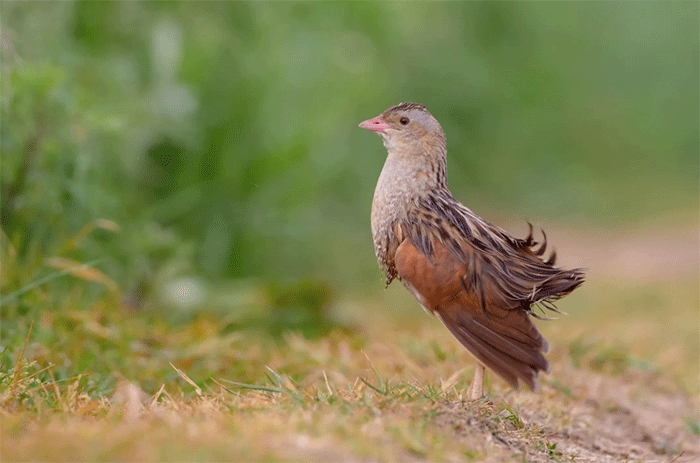
RSPB Balranald nature reserve on North Uist is celebrating its 60th anniversary, marking six decades of collaborative conservation across one of the most important wildlife landscapes in the Outer Hebrides.
The reserve, which incorporates four crofting townships, was established in 1966 and was among the first RSPB reserves designated in Scotland. Unlike many conventional nature reserves, the land was not purchased outright by the charity. Instead, the RSPB worked alongside local crofters to manage the landscape for both wildlife and the community.
That approach remains central to the management of Balranald today. Traditional practices including the planting of arable crops, winter cattle grazing, the use of seaweed as fertiliser and the rotation of cultivated fields help maintain the area’s internationally important machair habitats.
Cutting is also delayed until after 1 August, giving Corncrakes and other ground-nesting birds more time to raise their young.
Balranald’s mixture of flower-rich machair, sand dunes, freshwater lochs, crofting land and shoreline provides breeding and feeding habitat for a wide range of birds and other wildlife.
The Corncrake remains one of the reserve’s most important species. Thirty singing males were recorded during 2025, compared with just 12 in 1982.
The reserve also supports high densities of breeding waders. Oystercatchers continue to thrive despite wider declines across the UK, while Dunlin, Redshank, Ringed Plover and Lapwing remain prominent features of the landscape.
More recently, Balranald has become an important site for the Short-necked Oil Beetle. The species was first recorded on the reserve in 2022, with surveys finding as many as 86 individuals by 2025.
The beetle is associated with wildflower-rich machair and sand dune habitats and depends upon solitary bees, including the Northern Colletes mining bee, during its complex life cycle. Its sensitivity to changes in land management also makes it a useful indicator of habitat condition.
Pyramidal Orchids have also become more widespread across the reserve, supporting increasing numbers of Northern Colletes and, in turn, benefiting the oil beetles that depend upon them.
The reserve’s anniversary celebrations also highlight the Bi Glic, or Be Wise, campaign, which encourages visitors to experience Balranald while avoiding disturbance to sensitive wildlife.
Signs, leaflets, an animation and a forthcoming soundwalk are being used to explain the reserve’s wildlife and the importance of responsible access. Pupils from Sgoil Uibhist a Tuath have contributed to the soundwalk project while learning about local birds, the reserve and Gaelic traditions.
Six decades after its creation, RSPB Balranald continues to demonstrate how traditional crofting, nature conservation and community involvement can work together to sustain the distinctive wildlife of the machair.
July 2026
Get Breaking Birdnews First
Get all the latest breaking bird news as it happens, download BirdAlertPRO for a 30-day free trial. No payment details required and get exclusive first-time subscriber offers.
Share this story