Proposed Mersey tidal project puts habitat and communities at risk
Multiple Wildlife Trusts are warning that the proposed tidal project puts protected habitat and communities at risk.
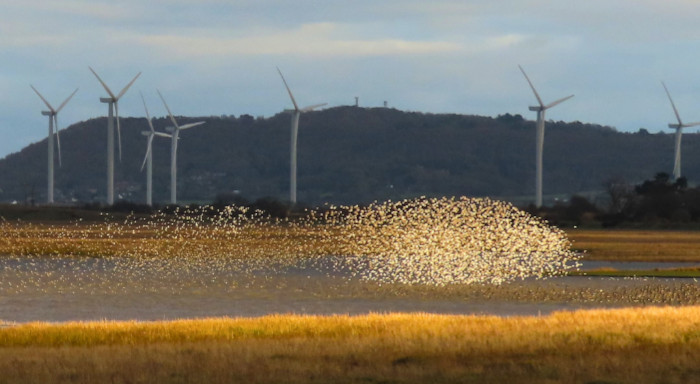
Cheshire Wildlife Trust and The Wildlife Trust for Lancashire, Manchester and North Merseyside are sounding the alarm over controversial plans to build a tidal barrage across the River Mersey. Such a scheme has long been discussed but plans were set in motion in autumn when the Liverpool Combined Authority triggered the formal planning process.
The exact design of the proposed tidal barrage has yet to be revealed raising concerns over what is at stake. The Wildlife Trusts warn the environmental implications of a scheme of this size are ‘monumental’. Their formal response to an Environmental Impact Assessment scoping report caution that any interference with the tides risks the disruption of the delicate balance that maintains the sensitive wetlands along the Mersey.
The Wildlife Trusts warn that, with potentially fewer coastal wetland habitats such as mudflats around the estuary, there is a risk that heavy rainfall, combined with high tides, could mean that Merseyside and Warrington may sustain more intense river flooding. This could cost millions of pounds and potentially even displace people from their homes.*
The warning comes amid a national push from central Government to deregulate the planning system. The push has been wildly criticised by environmental organisations for needlessly pitting nature against the economy.
James Melling, Campaigns Manager at Cheshire Wildlife Trust says:
“A tidal barrage that destroys some of the most protected habitat in the UK and violates international agreements is not a viable way to support economic growth or address the climate crisis. We want a transition to renewable energy and a healthy local economy but this doesn’t have to be at the expense of nature.”
“It was only in 2019 that the UK Treasury released a landmark report called ‘The Economics of Biodiversity’. That very report highlights how our economic stability relies on fully functioning ecosystems.** The wetlands of the Mersey provide vital benefits to society from natural flood management, to coastal defences, to regulating the impacts of extreme weather. We take the economic benefits of these natural services for granted and, destroying our wetlands will come at a cost.”
“We need only look at the recent spate of flooding in the North West to see that climate change is here. If we keep destroying our protected natural spaces, we are only going to exacerbate these problems further. We need to work with nature, not against it to provide long term solutions to the climate crisis.”
“We are urging all residents of Merseyside, Cheshire and Warrington to send a letter of concern to their local councillor. Whether you are worried about threats to vulnerable wildlife, or flooding in your local town, your voice needs to be heard now.”
David Dunlop, Policy and Advocacy Officer at Lancashire Wildlife Trust says:
“In addition to the potential for devastating loss of this nationally and internationally recognised site for wildlife, we have a particular concern for our Seaforth coastal nature reserve, on the eastern bank of the Mersey Narrows near Bootle. As there’s still no location identified for the proposed barrage, that “planning blight” means we can make no long-term plans for what’s a major roosting site for a spectacular variety of waders, seabirds, ducks, and small birds; and a breeding site for Common Tern.”

*The full Wildlife Trust response to the Mersey Tidal Environmental Impact Assessment Scoping Report can be found here.
**The 2019 “The Dasgupta Review: The Economics of Biodiversity” can be found on the Government website.
Cheshire Wildlife Trust
Share this story