'Paws for thought', call from conservation charity to dog owners
The Wildlife Trusts and Dogs Trust call for responsible dog walking to safeguard vulnerable species
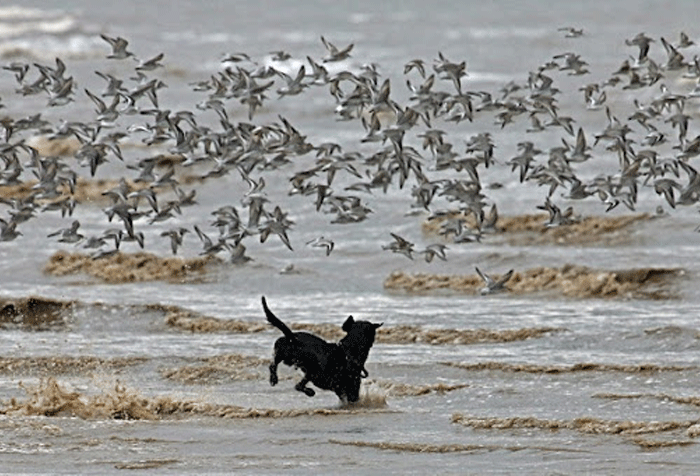
As spring heralds the return of migratory birds to the UK's nature reserves, leading conservation organisations are appealing to dog owners to play their part in protecting wildlife. The Wildlife Trusts and Dogs Trust are urging walkers to keep their dogs on leads during the critical ground-nesting season, which spans from February to August. The Wildlife Trusts
During this period, species such as skylarks, lapwings, and nightjars nest at ground level and are particularly susceptible to disturbances. Uncontrolled dogs can inadvertently cause these birds to abandon their nests, leaving eggs and chicks vulnerable to the elements and predators. Even the most obedient pets can pose a threat, as their natural curiosity may lead them to areas where these birds are nesting. The Wildlife Trusts
Actor and Wildlife Trusts ambassador David Oakes emphasised the importance of vigilance: "Whether visiting a reserve, or when out in nature more generally, I know how important her lead is. Whether there’s livestock, horse-riders, waterfowl, ground-nesting birds, seal pups or even a beaver dam – the lead is essential for every responsible nature-loving dog owner." The Wildlife Trusts
Dr Jenna Kiddie, Head of Canine Behaviour at Dogs Trust, highlighted the responsibility that comes with dog ownership: "Whilst many of us enjoy taking our dogs for long walks, especially as it becomes a bit warmer, we urge dog owners to consider their surroundings, particularly when visiting areas where they might encounter wildlife." The Wildlife Trusts
Beyond the immediate threat of nest abandonment, dogs can have other unintended impacts on natural habitats. For instance, leaving dog waste in undergrowth adds nutrients to the soil, disrupting the ecological balance and potentially leading to the loss of wildflowers. Responsible practices such as cleaning up after pets and adhering to designated paths can mitigate these effects. The Wildlife Trusts
The Wildlife Trusts offer guidance for dog owners to ensure their walks are enjoyable while minimising harm to wildlife. Recommendations include keeping dogs on short leads in sensitive areas, particularly during breeding seasons, and being aware of the specific wildlife habitats one might encounter. The Wildlife TrustsThe Wildlife Trusts
By taking these precautions, dog owners can contribute significantly to the conservation of the UK's rich biodiversity, ensuring that both wildlife and people can continue to enjoy the nation's natural spaces harmoniously.
25 Mar 2025
Share this story