New Look for RSPB Old Moor
Thanks to players of the People’s Postcode Lottery, the heart of South Yorkshire’s Dearne Valley reserve now offers a more inclusive and inspiring visitor experience
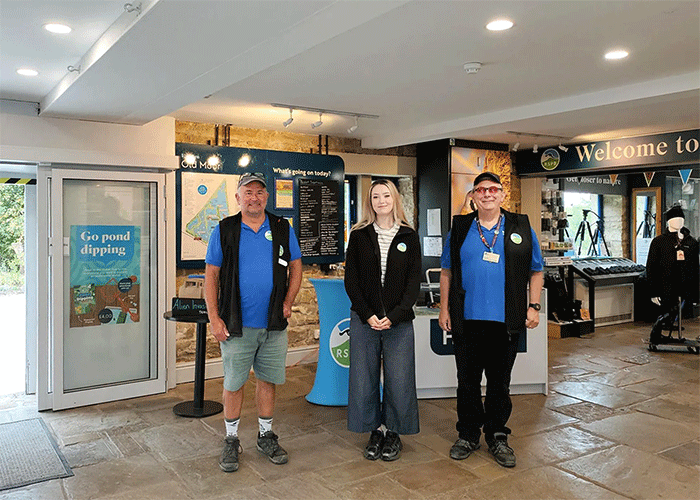
A welcome transformed
The Visitor Centre at RSPB Old Moor has undergone a striking transformation, funded by a £30,000 boost raised by players of the People’s Postcode Lottery. The refreshed centre now greets visitors with a modern, light-filled reception area, streamlined shop space, and improved accessibility features including sliding glass doors and energy-efficient shutters.
“We’re absolutely thrilled with the results of this project, which will help make Old Moor an even more welcoming place for families, nature lovers, and first-time visitors. Making nature accessible to everyone is our number one priority,” said Emma Tuckey, RSPB Old Moor’s Reserve Manager. “And thanks to players of People’s Postcode Lottery, we’ve created a better experience from the very first step through the door—and that’s so important when we want people to feel inspired by nature.”
Connecting nature, community and comfort
Integral updates now extend beyond the interior. The central courtyard and lawn area have been upgraded with picnic benches and tables designed for easier wheelchair access, making them usable and welcoming all year round. Improved signage also aids wayfinding for families and newcomers to the reserve.
Ryan Mackie, Deputy Head of Charities at People’s Postcode Lottery, added: “We’re thrilled that the support from players of People's Postcode Lottery has contributed to this transformative project. The work will make a genuine difference to how people connect with the natural world at RSPB Old Moor. It’s a shining example of what can be achieved when nature, community engagement and conservation come together.”
Nature events take flight
Coinciding with the facelift, RSPB Old Moor has launched two new guided walks: the ‘Bird Roost and Bats’ evening experiences. Visitors can now witness birds such as Great White Egret, Little Egret, Spoonbill and Cormorant returning to roost, then use bat detectors to spot nocturnal species including Daubenton’s and Pipistrelle bats—and perhaps even a Barn Owl.
Emma Tuckey said: “Whether you’re here to see our iconic Spoonbills, go bat hunting at night, or simply enjoy a peaceful walk, we want Old Moor to feel like a place where everyone belongs. This funding has helped us move another step closer to that goal.”
A post-industrial haven
Once among Europe’s most heavily industrialised and polluted landscapes, Old Moor has been restored to a flourishing oasis of reedbeds, wet grasslands and wildflower-rich meadows. In 2023, it earned Site of Special Scientific Interest (SSSI) status and now plays a central role in RSPB’s network of reserves across the Dearne Valley.
August 2025
Share this story