


New Buckinghamshire park would threaten birds, warns wildlife group
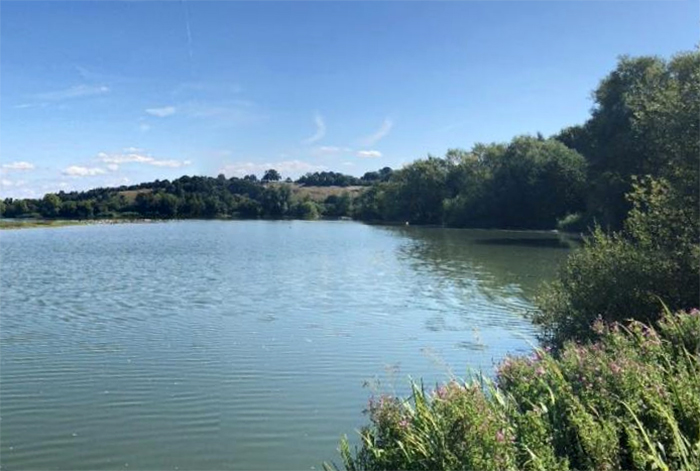
Environmental groups have raised concerns that the creation of a new country park in Little Marlow could negatively impact local bird populations and wildlife.
The Buckinghamshire Council has approved plans for the park in principle, but it will still require full planning permission before work can begin. The park aims to alleviate pressure on nearby Burnham Beeches, a conservation area expected to see increased visitor numbers due to the construction of new homes at Hollands Farm.
However, wildlife organizations fear that transforming the land around Spade Oak Lake into a country park could disturb local wildlife, including the peninsula in the middle of the lake, which is informally recognized as a bird sanctuary. Wild Marlow, a non-profit community group, has expressed concerns about the potential impact on the 186 bird species that call the site home. The group warned that dog walkers using all-access footpaths could disrupt important roosting sites. In a letter to the council on Monday, Wild Marlow stated, “The draft proposals will cause significant damage to these populations, especially if off-lead dog zones are permitted.”
The Buckinghamshire Bird Club also voiced strong opposition, asserting that the park’s development would have “extremely negative impacts” on the area’s wildlife. The club cautioned that the site should not be used as a “convenient proxy” to address the growing pressures on Burnham Beeches.
The planned park, which has been known as Little Marlow Lakes Country Park since the 1960s, will be funded by the developers of the Hollands Farm project. The area also gained attention in 2021 when it served as a filming location for a Star Wars TV series.
The park is intended to serve as a Suitable Alternative Natural Green Space (SANG), a designation for recreational areas meant to divert residents from newly built developments away from sensitive and protected environments. However, Natural England guidelines for SANGs specify that access should be “largely unrestricted” and provide ample space for dogs to exercise off-lead. This has raised concerns about how the park’s design may affect local wildlife and its suitability as a recreational area.
22 January 2025
Share this story





