


Songbird breeding outcomes improve sharply between 2024 and 2025
Warm, settled weather helped many familiar species raise more young, offering a rare piece of good news after a disastrous summer in 2024
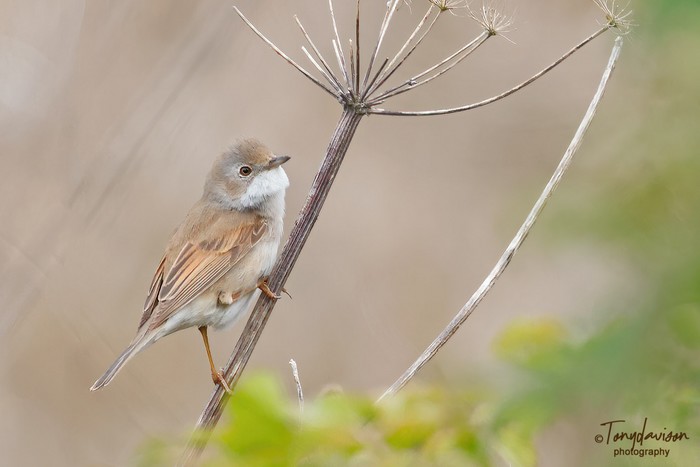
A new report from the BTO suggests that several of the UK’s best-known songbirds enjoyed a notably successful breeding season in 2025, with many species raising more chicks than average.
The findings come as a welcome relief after the exceptionally wet summer of 2024, when prolonged rainfall caused widespread breeding failure and high chick mortality across many species.
A sharp contrast with 2024
Scientists report that the warm and sunny conditions of spring and summer 2025 created far better conditions for nesting birds. In contrast to the previous year, many broods survived through to fledging, boosting the number of young birds entering the population.
This improvement is particularly important because many songbirds remain in long-term decline. Poor breeding in one year can have lasting effects, and the lack of young produced in 2024 meant fewer new birds were available to join breeding populations in 2025.
What the monitoring shows
The results come from BTO’s long-running Constant Effort Sites (CES) scheme, which tracks breeding success by monitoring birds at the same locations, in the same way, every summer. In 2025, volunteer ringers collected data on 29 songbird species across the UK.
By comparing numbers of adult birds with newly fledged young, scientists can see how breeding success changes from year to year and how well birds are surviving compared with previous decades. Similar schemes across Europe also allow wider, continental-scale comparisons.
Adults still in short supply
Despite the strong breeding season, numbers of adult birds remained lower than average for many species. Resident birds such as Blue Tit and Great Tit were still below typical levels, as were long-distance migrants including Willow Warbler, Garden Warbler and Whitethroat.
This shortfall is thought to be a direct legacy of 2024’s failed breeding season, when many young birds did not survive long enough to join the adult population.
Higher breeding success brings hope
According to BTO scientists, breeding success was higher than average for 14 species in 2025. This uplift is strongly linked to the settled weather, which favoured insect availability and reduced the risks faced by poorly insulated chicks during early life.
Young birds are especially vulnerable to cold, wet conditions and food shortages, making weather a critical factor in whether nests succeed or fail.
Climate remains a concern
While the 2025 results are encouraging, BTO warns that the sharp contrast between consecutive summers highlights a growing concern. If climate change leads to more frequent periods of unsettled weather, breeding failures like those seen in 2024 could become more common.
This is particularly worrying for species already showing long-term declines, including several migratory warblers monitored through the CES scheme.
Why long-term monitoring matters
Projects such as Constant Effort Sites provide some of the clearest evidence of how weather, climate and other pressures affect bird populations over time. With more than 40 years of data already collected, BTO says continued monitoring will be essential for understanding and responding to future changes.
For now, the strong 2025 breeding season offers a rare piece of positive news for the UK’s songbirds, even as longer-term challenges remain firmly in view.
Read the full report here
January 2026
Get Breaking Birdnews First
Get all the latest breaking bird news as it happens, download BirdAlertPRO for a 30-day free trial. No payment details required and get exclusive first-time subscriber offers.
Share this story





