


Mysterious waterbird deaths investigated at Spanish estuary
Local monitors report more than 100 dead birds at the Ría de San Martín, but the regional authority's recovered-carcass total is substantially lower.
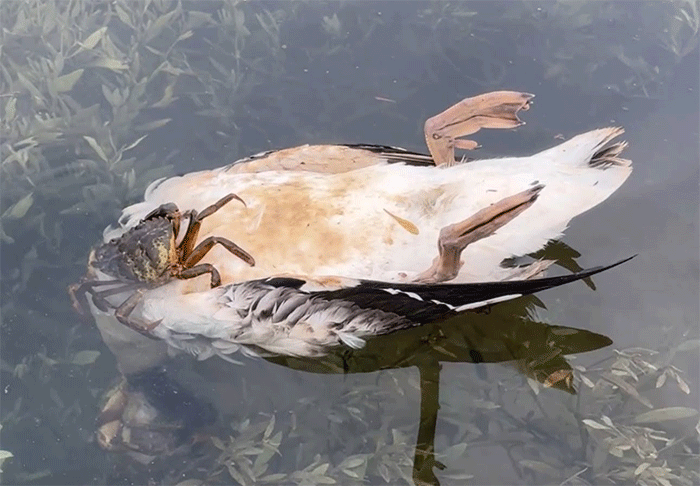
An unexplained mortality incident is affecting waterbirds at the Ría de San Martín in Suances, northern Spain, with local conservationists reporting more than 100 deaths since the first birds were found on 8 August.
Mallards appear to be the species worst affected. The Asociación Proyecto Ría San Martín, which has monitored the estuary throughout the incident, estimates that roughly 80% of the locally counted Mallard population may have died.
Shelduck, Gadwall, Eurasian Teal, Mute Swan and Black-headed Gull have also been reported among the casualties. At least five young Shelducks are said to have died, a particular concern because the estuary supports an important local breeding population.
The precise total is disputed. The Government of Cantabria has said its official count comprised 39 recovered birds - 24 Mallards, 13 Black-headed Gulls and two Shelducks. The local association says that figure excludes birds it documented or helped remove, as well as carcasses carried out of the estuary by the tide and later recovered near beaches.
For that reason, the higher figure should be read as the monitoring group's cumulative estimate rather than an agreed official total. Both counts nevertheless point to an unusual, concentrated mortality event requiring investigation.
Suances council says avian influenza has been ruled out. Botulism is being examined as a possible explanation, but it had not been confirmed when the latest updates were issued. Carcasses and samples of estuary water are being analysed.
We are facing a worrying incident, both because of the number of birds affected and the diversity of species involved.
Avian botulism is caused by toxins produced by Clostridium botulinum bacteria under suitable environmental conditions. Outbreaks can cause paralysis and death in large numbers of waterbirds, especially during warm weather, but laboratory findings are needed before it can be identified as the cause here.
Wardens and volunteers have been removing carcasses, while fencing has been installed around the most affected area. The council and SEO/BirdLife are asking people not to touch dead or sick birds, to keep dogs and other pets away, and to report further finds to the relevant authorities.
Rapid removal is also intended to reduce scavenging and possible onward exposure. Local monitors have recorded crabs and birds, including cormorants, feeding on carcasses, although the consequences cannot be assessed until the cause is known.
The timing adds to the concern. The Ría de San Martín is listed in the Spanish Wetlands Inventory and is used by birds for breeding, migration and wintering. About 300 Black-headed Gulls were reportedly present during the incident, with increasing numbers of migrant Eurasian Teal and other waterbirds expected in the coming weeks.
SEO/BirdLife says continued surveillance, quick removal of affected birds and a prompt diagnosis will be essential. The organisation is sharing information with Cantabria's Directorate-General for Forests and Biodiversity as monitoring continues.
21 Aug 2026
Get Breaking Birdnews First
Get all the latest breaking bird news as it happens, download BirdAlertPRO for a 30-day free trial. No payment details required and get exclusive first-time subscriber offers.
Share this story




