Megafires may drive prairie grouse into sub-optimal habitats
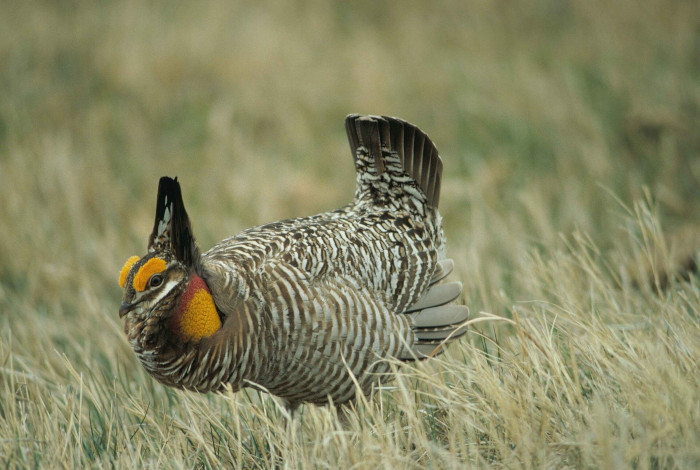
Grasslands and associated wildlife in the Great Plains of North America have declined precipitously and are now experiencing an increase in large wildfire activity. In a Journal of Wildlife Management study evaluating habitat use by Lesser Prairie Chickens—a prairie grouse of conservation concern—before and immediately after a 2017 megafire, investigators found that the birds were forced out of formerly high-quality habitat in large, contiguous grasslands and into sub-optimal habitat and smaller grassland patches near cropland.
The researchers noted that megafires can pose a threat to grassland-dependent wildlife by removing large areas of high-quality habitat in the short-term, but conserving key habitat patches in sub-optimal areas may aid persistence.
"When most people think of megafires in the US, they think of big forest fires. But after another record fire year for the Great Plains in 2026, it's increasingly important to understand how these fires affect already fragmented grasslands and wildlife that depend on them," said corresponding author Nicholas Parker, who is a Ph.D. candidate currently at Colorado State University but conducted this work while at Kansas State University.
6 May 2026
Get Breaking Birdnews First
Get all the latest breaking bird news as it happens, download BirdAlertPRO for a 30-day free trial. No payment details required and get exclusive first-time subscriber offers.
Share this story