Malta reopens finch trapping despite EU rulings
Conservation monitors say nets are again being authorised under a research derogation, after European judges ruled that an earlier scheme failed to meet the Birds Directive.
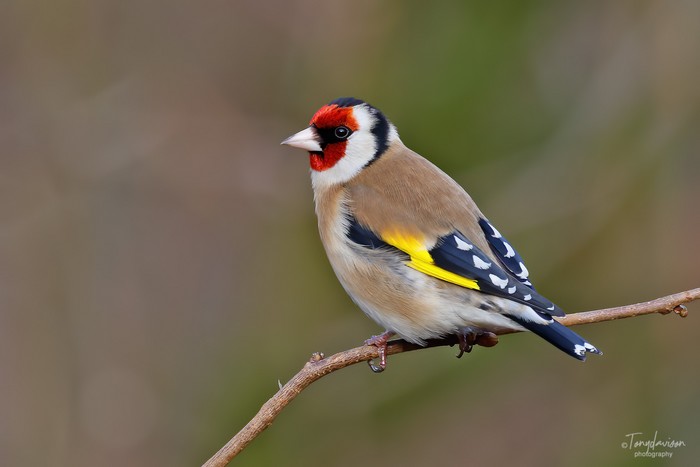

Malta has reopened a finch-trapping period under a research derogation despite European Court judgments that previous schemes failed to comply with the EU Birds Directive, according to the Committee Against Bird Slaughter.
The season began on 20 October and covers Goldfinch, Chaffinch, Linnet, Hawfinch and Siskin, CABS reports. The organisation says thousands of licence holders are again permitted to use ground nets while birds migrate through the islands.
Malta has long argued that temporary capture can collect information on the origins of visiting finches. Conservation organisations and the European Commission contend that the arrangements reproduce recreational trapping under the label of research and lack a scientifically necessary design.
In September 2024, the Court of Justice of the European Union ruled that Malta's 2020-2022 research derogation failed to meet its obligations under the Birds Directive. The case concerned seven species, including Greenfinch and Serin as well as the five listed in the current CABS report.
The Directive generally prohibits deliberate capture and the use of non-selective methods such as nets. Article 9 permits tightly controlled derogations only when their purpose, selectivity, supervision and lack of a satisfactory alternative are demonstrated. A research label does not by itself satisfy those tests.
CABS says its field teams documented illegal trapping before this year's authorised period opened. Acting on reports from monitors, police allegedly seized nine clap-net sites, one set net and a 180-square-metre ground net used to catch quail. Thirty-nine live birds were confiscated and later released.
The organisation notes that Malta has already been found in breach twice over finch trapping. The first major judgment in 2018 rejected an earlier recreational derogation; the 2024 decision addressed the later research framework.
Malta has already been found guilty twice by the European Court of Justice for finch trapping.
Committee Against Bird Slaughter
CABS also says eight alleged offenders were caught red-handed in the weeks before 20 October. Those are field and enforcement reports, not convictions. The available account does not identify the individuals or give the status of any proceedings.
The 2024 Court judgment is legally established, but the current opening raises a separate compliance question. Whether Malta's 2026 rules differ materially from the schemes examined by judges would require the new legal notice and its operating conditions to be assessed in full.
For migratory finches, the immediate risk is capture at a concentrated Mediterranean crossing. Birds may be ringed and released under an authorised study, but conservationists argue that nets also create opportunities for undeclared retention and trade, particularly where captive songbirds command a market.
Continued monitoring will need to distinguish licensed activity, administrative breaches and alleged criminal trapping. Any renewed European enforcement action would also require evidence about how the present derogation operates, rather than relying only on the adverse findings against its predecessors.
23 Oct 2026
Get Breaking Birdnews First
Get all the latest breaking bird news as it happens, download BirdAlertPRO for a 30-day free trial. No payment details required and get exclusive first-time subscriber offers.