Major funding announced for one of Britain's rarest breeding waders
More than £650,000 will help expand conservation breeding and identify new release sites for Britain’s struggling Black-tailed Godwit population.
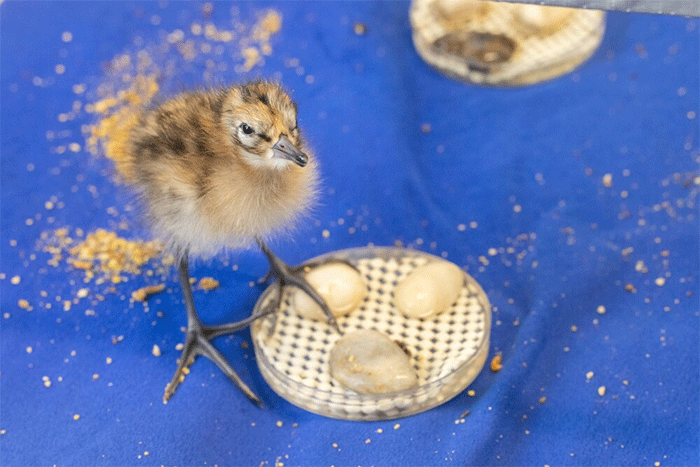
Efforts to secure the future of Britain’s breeding Black-tailed Godwits have received a major boost, with more than £650,000 awarded through Natural England’s Species Recovery Programme.
Fewer than 40 pairs of Black-tailed Godwit now breed in the UK, with around 95% of the population concentrated in the Fens near WWT Welney and RSPB Ouse Washes. The species is Red-listed in Britain and remains vulnerable to flooding, predation and poor breeding success.
WWT will use the funding to continue its conservation breeding programme at WWT Slimbridge in Gloucestershire, where birds are being bred and reared in captivity ahead of their eventual release into the wild.
The latest phase of the project began in 2024, when eggs were collected from nests threatened by flooding in Cambridgeshire and taken to Slimbridge. The chicks hatched from those eggs are now two years old and have paired with other birds before successfully producing another generation of eggs.
As well as meeting the costs of hatching and raising more birds, the funding will support detailed population modelling and assessments of potential release sites around the UK.
Birds will be released in the Fens, close to the species’ existing strongholds at WWT Welney and RSPB Ouse Washes. Conservationists will also identify another location elsewhere in the UK that could support a new breeding population.
Establishing a second population would reduce the risk posed by having almost the entire British breeding population concentrated in one relatively small area.
The RSPB will carry out research into the population dynamics of the remaining breeding godwits, including the factors affecting survival within the Fens population and the number of chicks successfully fledged in the wild.
WWT, the RSPB, Natural England and the National Black-tailed Godwit Working Group will also begin implementing recommendations contained within a new 10-year national action plan for the species.
Ellie Jones, Head of UK Wetlands at WWT, said: “This funding represents a lifeline for a Red-listed species that we believe can be brought back from the brink. Black-tailed Godwits are birds that belong in the UK’s flood-busting, water-purifying wetlands.
“By raising the next generation of godwits away from predators and researching what is stopping them fledging chicks in the wild, we are giving this species the best possible chance to recover across the UK.”
Natural England Chair Tony Juniper said previous species recovery work had demonstrated that even some of Britain’s rarest wildlife could be restored through scientific research and effective partnerships.
Mike Shurmer, Head of Species and Habitats for RSPB England, said: “Black-tailed Godwits are one of the most threatened birds in England and are a high priority for continuing conservation action.
“We are delighted to be collaborating with WWT on this project, so that we can take forward the vital actions needed to secure their recovery, including essential research to understand the factors influencing survival in the Fens population, and coordinating delivery of the National Action Plan.”
Other projects involving WWT to receive support through the latest round of Species Recovery Programme funding include a £2.4 million BTO-led study into predation affecting breeding waders and work to conserve native White-clawed Crayfish.
July 2026
Get Breaking Birdnews First
Get all the latest breaking bird news as it happens, download BirdAlertPRO for a 30-day free trial. No payment details required and get exclusive first-time subscriber offers.
Share this story