Long-term funding backs Norfolk's beach-nesting birds
An initial three-year award will support Little Terns, Ringed Plovers and other coastal birds within a much longer disturbance plan.
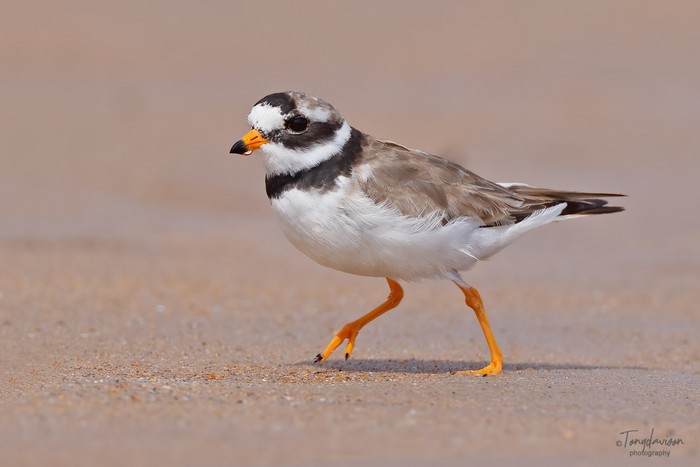
Projects protecting beach-nesting birds on the Norfolk coast have secured an initial GBP384,000, with the potential for support to continue for decades.
The RSPB says its Plovers in Peril and Tern Around projects will receive funding until 2029 from Norfolk's Green Infrastructure and Recreational Impact Avoidance Mitigation Strategy. The county-wide plan has been costed over 80 years to reduce disturbance at protected wildlife sites.
The work includes safeguarding nesting areas and speaking with beach visitors. Winter activity will also address disturbance to Oystercatchers, Knot, Bar-tailed Godwits and other birds using The Wash and North Norfolk coast.
This investment will help ensure that even more Little Tern and Ringed Plover chicks take flight from Norfolk's beaches.
Phil Pearson, RSPB Senior Conservation Officer
According to the RSPB, 56 Ringed Plover chicks and 527 Little Tern chicks fledged through the two projects in 2026. The Little Tern result was the third highest since that project began 40 years ago.
The award funds management rather than guaranteeing future breeding results; coastal birds remain exposed to tides, weather, predators, development and recreational disturbance.
2 Oct 2026
Get Breaking Birdnews First
Get all the latest breaking bird news as it happens, download BirdAlertPRO for a 30-day free trial. No payment details required and get exclusive first-time subscriber offers.