Large Tortoiseshell butterfly no longer extinct in UK
New records indicate that one of Britain's long-lost butterflies could be returning, with the Large Tortoiseshell now reported from multiple English counties.
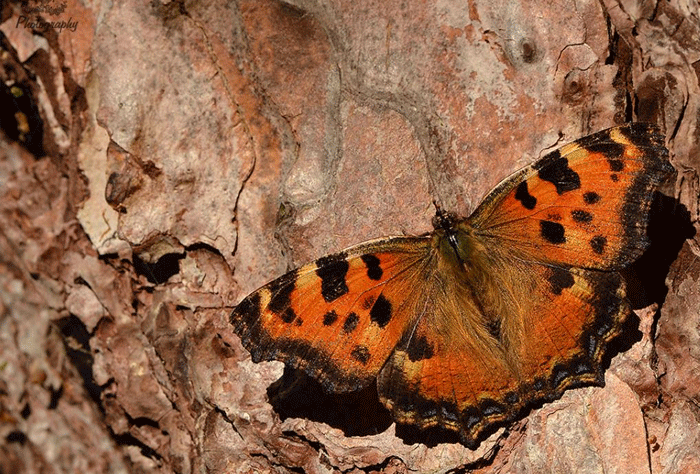 Large Tortoiseshell (© Pete Withers, Butterfly Conservation)
New records indicate that one of Britain's long-lost butterflies could be returning, with the Large Tortoiseshell now reported from multiple English counties.
A welcome return for a familiar butterfly
A butterfly that had become increasingly scarce in recent years is now being recorded more widely across England, raising hopes that the species may be recovering after a period of steep decline.
Butterfly Conservation says the Small Tortoiseshell Aglais urticae, once one of the most familiar butterflies in gardens and countryside across Britain, has been spotted in growing numbers in several parts of England this year.
The colourful orange butterfly, easily recognised by its blue-edged wings and black-and-yellow markings, had become worryingly scarce in parts of the country, with some observers fearing it had virtually disappeared from areas where it was once common.
Years of worrying decline
For decades the Small Tortoiseshell was one of the most widespread and easily recognised butterflies in Britain. However, over the past twenty years the species has suffered a sharp decline in parts of England.
In some regions the butterfly almost vanished from gardens and farmland, prompting concern among naturalists and conservationists. The reasons for the decline are still being studied, but several factors are thought to be involved.
These may include changes in climate, increased parasitism by the tachinid fly Sturmia bella, and wider environmental pressures affecting butterflies and other insects.
Encouraging sightings across England
Recent observations from across England suggest the species may be making a comeback in some areas. Butterfly Conservation reports that sightings have been increasing, with butterflies appearing again in locations where they had been absent for several years.
Naturalists have recorded individuals in gardens, parks and countryside sites, with some areas reporting multiple sightings during the current season.
While it is too early to say whether the recovery will continue in the long term, the reappearance of the species in several regions is seen as a positive sign.
The importance of common species
Although conservation efforts often focus on rare or endangered wildlife, the decline of once-common species can also signal deeper environmental problems.
Butterflies such as the Small Tortoiseshell play an important role in ecosystems as pollinators and as part of the wider food chain. Their presence or absence can also act as an indicator of the health of the countryside.
Conservationists hope that renewed sightings of the species may signal improving conditions in some landscapes, though continued monitoring will be needed to understand whether the apparent recovery can be sustained.
March 2026
Get Breaking Birdnews First
Get all the latest breaking bird news as it happens, download BirdAlertPRO for a 30-day free trial. No payment details required and get exclusive first-time subscriber offers.
Share this story