Labour government says it has no plans to ban driven grouse shooting
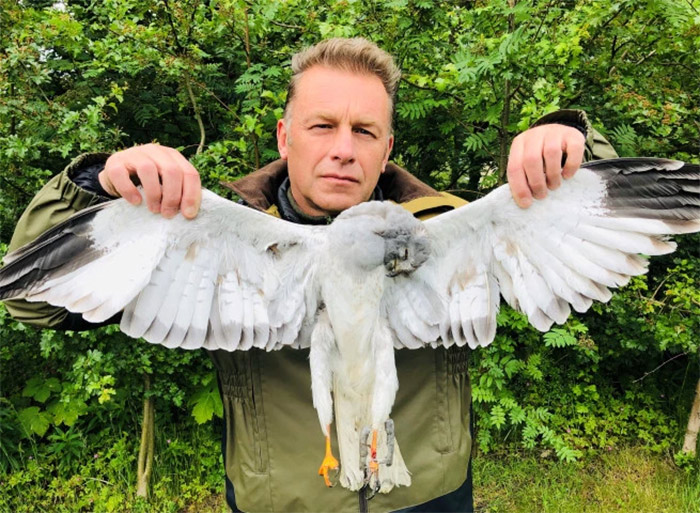
The UK Government has responded to a new petition calling for a ban on driven grouse shooting. The petition was put forward by conservationists Chris Packham, Mark Avery and Ruth Tingay (the trio behind WildJustice).
The petition received nearly 50,000 signatures very quickly and the Government responded saying they have no plans to ban the so-called ‘countryside sport’.
The full response from Department for Environment, Food and Rural Affairs, reads;
The Government has no plans to ban driven grouse shooting. It recognises well-managed grouse shooting can be an important part of a local rural economy, providing direct and indirect employment.
This is a devolved matter. The Government appreciates that many people hold strong views on the issue of driven grouse shooting. The Government considers that well-managed shooting activities can bring benefits to the rural economy and can be beneficial for wildlife and habitat conservation. We will continue work to ensure a sustainable, mutually beneficial relationship between shooting and conservation. The Government has no plans to ban grouse shooting.
It is of course vital that wildlife and habitats are protected and the law is respected by those involved in the grouse shooting industry. Wild birds of prey, for example, are protected under the Wildlife and Countryside Act 1981. There is evidence from Ewing et al (2023) and others to suggest a link between crimes against birds of prey and grouse shooting. The Government supports the National Wildlife Crime Unit (NWCU) – which helps prevent and detect crimes against wildlife by obtaining and disseminating intelligence and directly assisting law enforcers in their investigations – and the Hen Harrier Task Force – which is led by the NWCU and aims to detect, deter, and disrupt offenders, in particular those persecuting rare hen harriers – by using technology and improving partnership working. Where wild birds of prey or any non-target species of wildlife are killed illegally the full force of the law should apply to proven perpetrators of the crime. All forms of predator management to protect grouse must be undertaken within the law, including compliance with animal welfare legislation.
Grouse shooting takes place in upland areas, which are important for a range of things including, food, fibre, water regulation, carbon storage, biodiversity and recreational opportunities. UK uplands have 75 per cent of the world’s remaining heather moorland and about 13 per cent of the world’s blanket bog.
Upland catchments provide 70 per cent of the UK’s drinking water. The Government is committed to delivering positive environmental and economic benefits and creating a more sustainable future for the English uplands, including preserving and restoring peatlands.
Healthy, active peat provides good habitat for grouse as well as numerous environmental benefits. Through the Nature for Climate Peatland Grant Scheme, the Government is continuing to invest millions of pounds in peatland restoration, to aid climate change mitigation and nature recovery. The Government’s new and improved Countryside Stewardship offer will be available this summer. This scheme will encourage land managers to enter into agreements to enhance and protect the natural environment, including upland peatland habitats.
20 January 2025
Share this story