


Justice Comes Slowly but Surely: Gamekeepers face consequences thanks to dedicated forensic funds
Wild Justice Forensics Fund supports 68 police investigations into suspected raptor persecution
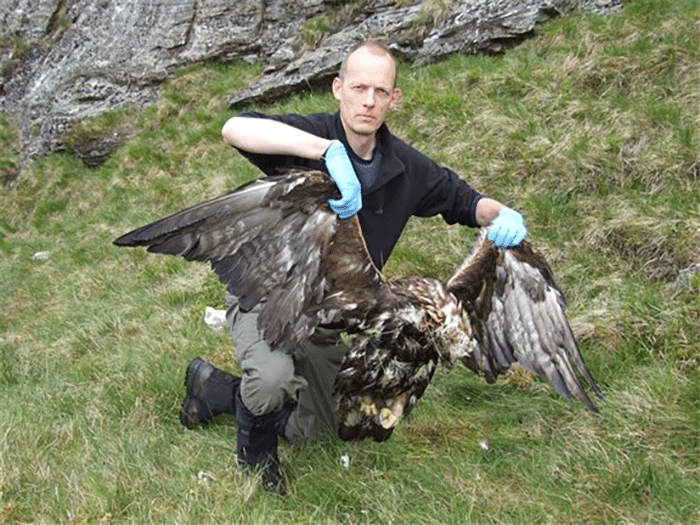
Forensics fund boosts frontline enforcement
A pioneering initiative by conservation group Wild Justice has significantly bolstered the UK's efforts to combat illegal raptor persecution. Since its inception in 2020, the Raptor Forensics Fund has underwritten 68 police investigations into suspected crimes against birds of prey, including buzzards, red kites, and hen harriers.
The fund addresses a critical gap in early-stage investigations where evidence is insufficient to meet the criteria for government-funded laboratory tests. By covering costs such as x-rays and post-mortems, the fund enables timely forensic analysis. If a crime is confirmed, additional funds can be allocated for DNA profiling and other specialised work. In cases leading to convictions, courts are petitioned to recover costs, which are then reinvested into the fund.
Convictions and deterrence
Of the 68 investigations supported, eight have resulted in successful prosecutions. Notably, seven of these convictions involved gamekeepers on pheasant shoots, highlighting the fund's role in addressing wildlife crimes associated with gamebird management.
The fund's impact is exemplified by the 2022 conviction of gamekeeper John Orrey, who was found guilty of killing two buzzards and possessing illegal firearms. Forensic evidence, including x-rays and post-mortems funded by Wild Justice, was instrumental in securing the conviction.
Collaborative administration and support
Administered by the PAW Forensic Working Group—a sub-group of the Partnership for Action Against Wildlife Crime—the fund is accessible to all UK regional and national statutory agencies. Additional financial support has been provided by organisations such as the Northern England Raptor Forum, Tayside & Fife Raptor Study Group, Devon Birds, Rare Bird Alert, and anonymous donors.
Addressing systemic challenges
Despite its successes, the fund underscores systemic challenges in wildlife crime enforcement. Wildlife crimes are not currently 'notifiable' offences in the UK, meaning they are not centrally recorded in national crime statistics. This lack of official recognition hampers resource allocation and prioritisation within police forces.
Wild Justice and other conservationists advocate for making wildlife crimes notifiable, increasing resources and training for wildlife crime teams, and enhancing the capabilities of the National Wildlife Crime Unit.
Looking ahead
As the Raptor Forensics Fund continues to underpin investigations and secure convictions, it represents a rare conservation tool that directly supports law enforcement. Unlike broad awareness campaigns or policy lobbying, this fund delivers immediate, measurable impact on the ground—protecting raptors through science and accountability.
But its effectiveness depends on sustained public and organisational backing. In a landscape where raptor persecution remains a grim reality, the fund offers a powerful example of how targeted, evidence-led approaches can shift the balance toward justice and protection.
WildJustice have thanked everyone this project. If you’d like to donate to their ongoing work, youc an do so here.
20 May 2025
Share this story





