Huge decline in US butterfly populations mirrors UK Butterfly Emergency
by Butterfly Conservation
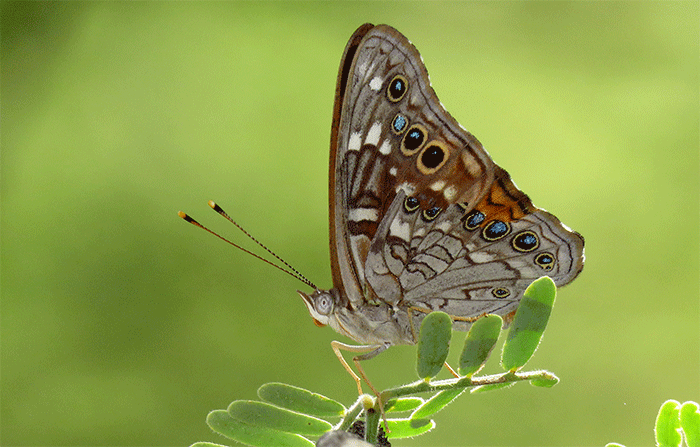
The abundance of butterflies across the United States fell by an alarming 22% in just 20 years, a new study has concluded.
Between 2000 and 2020, 33% of species (114 of 342) showed significantly declining trends in abundance, according to the research led by Collin B Edwards of Washington State University and published this week in Science.
The results mirror the picture in the UK, where 80% of butterfly species have decreased in abundance, distribution or both since the 1970s.
It comes after Butterfly Conservation recorded the worst-ever results of its annual Big Butterfly Count in 2024 and declared a Butterfly Emergency in the UK, calling on the Government to take tougher action to save wildlife, starting with a total ban on butterfly-killing neonicotinoid pesticides.
Butterfly Conservation Head of Science Richard Fox said: "These results from the US are hugely concerning, and help to prove that butterflies are declining across the whole world at an alarming rate.
"As the authors of this paper point out, we already know the major causes of butterfly decline - habitat loss, climate change, and pesticide use. We sounded the alarm about butterfly declines 25 years ago, and that's why Butterfly Conservation is working with landowners across the UK to protect butterflies and moths, raising awareness about climate change and successfully campaigning for stricter regulation of dangerous pesticides."
The US researchers analysed records of 12.6 million individual butterflies from more than 76,000 surveys across 35 monitoring programs.
They concluded that a total of 107 species declined by more than 50% over the first 20 years of the century, including 22 species that declined by more than 90%.
More than two-thirds of all species (245 of 342) had estimated cumulative decreases of more than 10%, whereas only one-fifth of species (65) had a cumulative increase greater than 10%.
The researchers commented: "We conducted the definitive assessment of butterfly trends across the contiguous US for the first two decades of the 21st century and found declines at every scale: reductions in total numbers of butterflies, falling species richness, and large decreases in many individual species. "Our national-scale findings paint the most complete - and concerning - picture of the status of butterflies across the country in the early 21st century."
Discussing the reasons for butterfly declines, the authors said: “The scope and scale of butterfly declines suggest multiple and broadly acting threats, including habitat loss, climate change, and pesticide use.”
They stressed that insecticides specifically have already been identified as a leading cause of butterfly declines, and detailed evidence could inform regulatory actions 'including imposing restrictions on neonicotinoid insecticides, as was done in the European Union'.
Last year, following the worst-ever results of the Big Butterfly Count in 2024, Butterfly Conservation declared a UK Butterfly Emergency, and called on the Government to ban the use of neonicotinoids in this country for good.
In January, the charity declared a victory when the Government refused to an application for 'emergency use' of neonicotinoids in 2025 by British Sugar and the National Farmers' Union - the first time such an application had been turned down in five years.
The authors of the US study also call for stricter protection of threatened butterfly and moth habitat and increased conservation work, goals which Butterfly Conservation has been working towards in the UK.
They concluded: "Butterflies have the potential for rapid population growth under the right circumstances, making species recovery possible - even from very small population sizes. Expansive efforts in conservation planning and action for insects could prevent widespread future losses and create and maintain the environments in which butterflies and other at-risk species can thrive."
14 Mar 2025
Share this story