


Historic acquisition expands RSPB Cymru nature reserve
RSPB Cymru has acquired 96 hectares of wildlife-rich land in mid Wales, linking two previously separated parts of Gwenffrwd-Dinas nature reserve and creating new opportunities for woodland and upland species.
RSPB Cymru has completed the purchase of Gallt-y-bere, a 96-hectare area of woodland, grassland, and peat bog in the Elenydd region of mid Wales.
The acquisition fills a long-standing gap between the Gwenffrwd and Dinas sections of RSPB Gwenffrwd-Dinas nature reserve, allowing the landscape to be managed as a single connected conservation area for the first time in almost 60 years.
Gallt-y-bere supports internationally important habitats, including Atlantic oak woodland, often described as Celtic rainforest, alongside upland grassland, heath and peatland.
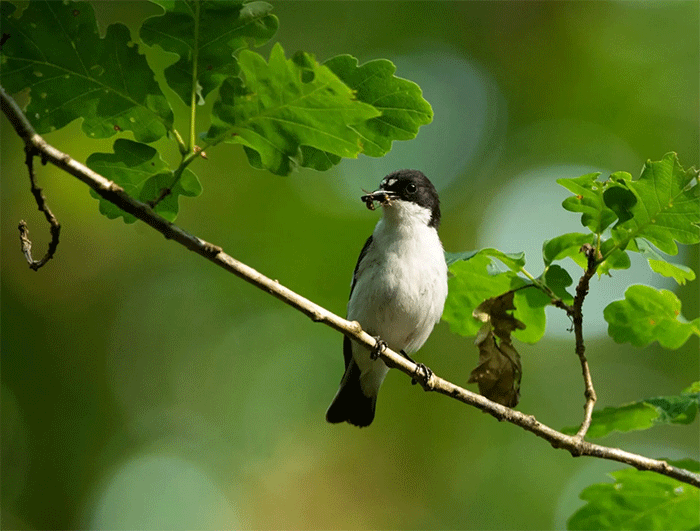
The site is a stronghold for Pied Flycatchers and also supports Cuckoos, Wood Warblers, Whinchats and Pine Martens.
RSPB involvement in the area stretches back more than a century, beginning with its support for the Kite Committee’s work to protect the surviving Welsh Red Kite population. The charity later purchased Gwenffrwd and Dinas to establish the existing nature reserve.
Gallt-y-bere lies between those two areas, and bringing it into conservation management is expected to improve habitat connectivity and create links between previously isolated woodland and upland habitats.
The purchase was initially made possible through a philanthropic loan, followed by a public fundraising appeal. RSPB Cymru said further donations would contribute towards the long-term management of the expanded reserve.
Jonathan Cryer, Site Manager at RSPB Gwenffrwd-Dinas, said: “Gallt-y-bere is a truly magical place, and I’m thrilled that we’re now in a position to restore and enhance its rare habitats for wildlife.
“Securing this site is a fantastic opportunity to strengthen ancient woodland, restore upland habitats and create the conditions needed for rare species such as Hen Harriers to flourish in the future.”
By connecting Gallt-y-bere with existing heathland, the expanded reserve is now considered large enough to support breeding Hen Harriers. The Red-listed raptor is occasionally recorded in the area, although there have been no recent breeding attempts.
Surveys funded by Natural Resources Wales are taking place this summer to establish the full range of habitats and species present on the newly acquired land. The results will be used to guide future conservation management.
Existing species-rich grasslands may also be expanded and improved, benefiting plants including Whorled Caraway and Wood Bitter-vetch, as well as the insects and other wildlife dependent upon them.
RSPB Cymru also plans to work with farming tenants to demonstrate how sustainable agriculture and nature recovery can be delivered together across the wider landscape.
July 2026
Get Breaking Birdnews First
Get all the latest breaking bird news as it happens, download BirdAlertPRO for a 30-day free trial. No payment details required and get exclusive first-time subscriber offers.
Share this story





