Highs and lows for reservoir ducks
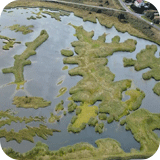
While essential for our water supplies, and handy for occasional recreational needs, reservoirs are also incredibly vital for a wide range of wild birds, especially during the colder months.
But what will this year’s drought mean for reservoir water levels, and will these wildfowl havens be in good enough shape to welcome our winter visitors?
Coinciding with World Migratory Bird Day on 10 October, the monthly UK-wide survey will help shed light on changes in UK waterbird populations and distribution.
From data gathered over previous surveys, ornithologists have been able to determine that, overall, waterbirds in the United Kingdom increased in number between 1970 to 1994, particularly in and around estuaries. However, during the following 25-year period, the results were mixed, as geese and swan populations increased, and waders declined between 1995 and 2019.
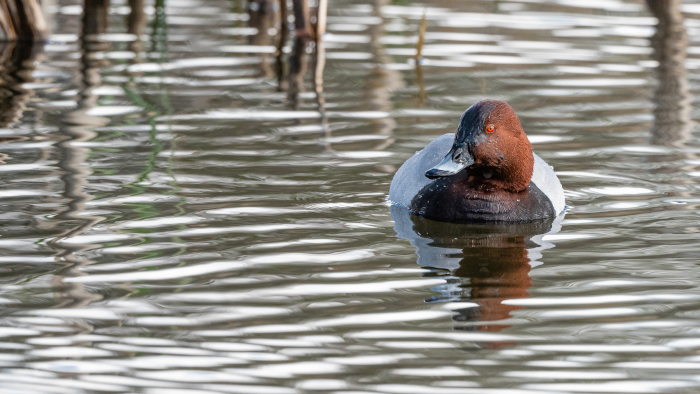
Among the many findings that have come to light over the last fifty years of data gathering, is the importance of human-made habitats such as reservoirs for several species of migratory ducks such as Tufted Duck and Pochard, as well as some waders including Lapwing and Oystercatcher.
With increasing pressure being put upon these artificial wetland habitats through changes in the climate, will they continue to provide a haven for declining species? And what are the key drivers behind the changes that we have already detected during the past 25 years?
Thanks to the thousands of birdwatchers who so generously volunteer their time to take part in the survey, we can hope to have a much clearer picture of the numbers of birds using our varied natural and human-made wetland sites this winter.
Dr Teresa Frost, BTO’s Head of Waterbird Monitoring said, “With 50 years of data, we can see significant change impacting on the UK’s wintering waterbirds across various habitat types. Our findings can help inform conservation action, which will hopefully secure a better future for many of these migratory species.”
Simon Wotton, Senior Conservation Scientist at the RSPB said, “The majority of our migratory wetland birds will have arrived via the East Atlantic Flyway, a migration route connecting the UK with over 70 other countries and used by more than 350 migratory species. Along the flyway are a vital network of wetland sites whose protection depends on international collaboration between BirdLife partners, including the RSPB. The data gathered by WeBS volunteers is key to directing and informing this coordinated action - protecting migratory wetland birds, and the habitats they depend on, into the future.”
Dr Katie August, Evidence Specialist at JNCC said, “The findings from the last 50 years of WeBS surveys have highlighted the importance of our wetland habitats to migratory species. It is only with the continued dedication of the individuals collecting these data that we can have these insights to help advise conservation priorities. We hope the commitment of the volunteers will allow us to continue for another 50 years and beyond.”
6 Oct 2026
Get Breaking Birdnews First
Get all the latest breaking bird news as it happens, download BirdAlertPRO for a 30-day free trial. No payment details required and get exclusive first-time subscriber offers.