Heat brings Britain's second-best Big Butterfly Count - but drought warning remains
More than 100,000 volunteers recorded almost 1.4 million butterflies and moths, producing the count's strongest result since 2019 despite concern about drought-sensitive species.
Britain's five-heatwave summer produced the second-highest Big Butterfly Count result in the survey's 16-year history, but conservationists have warned that drought could still damage future populations.
More than 100,000 volunteers recorded almost 1.4 million common butterflies and day-flying moths during the 2026 count. The overall result was the best since 2019 and a marked improvement on several recent summers.
Small White was the most frequently recorded species, with 281,634 counted. Gatekeeper followed with 211,029, ahead of Large White, Red Admiral and Meadow Brown.
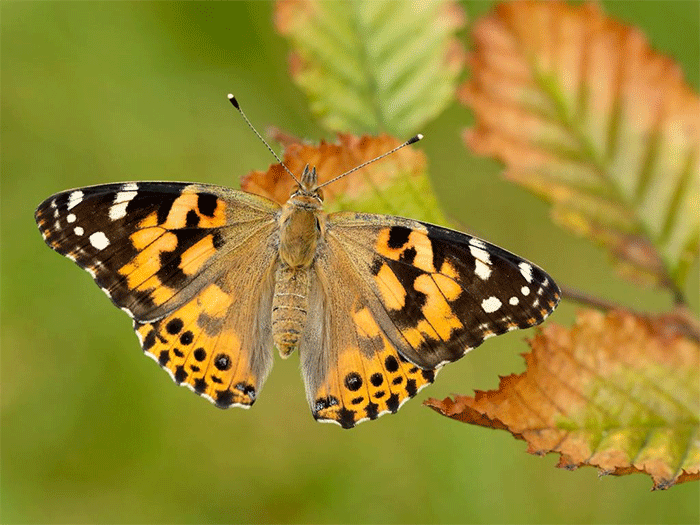
Painted Lady enjoyed a particularly strong summer. Volunteers recorded 85,508, an increase of 335% compared with 2025 and 161% above the count's average year. It was the migratory butterfly's second-highest result since the project began in 2010.
Holly Blue and Gatekeeper both achieved their best Big Butterfly Count results, while Small Copper recorded its third-best year. Holly Blue was 128% above average and Gatekeeper 50% above average.
The warm, sunny conditions made adult butterflies more active and easier to see as they flew, fed and bred. That does not necessarily mean the weather was equally favourable during every stage of their life cycle.
A good summer for adult butterflies is not the same as a good summer for butterfly populations.
Richard Fox, Butterfly Conservation
Prolonged heat and very little rain caused grasses, wildflowers and other larval foodplants to wither in many areas. Butterfly Conservation says caterpillars affected during the drought would mostly have produced adults in 2027, creating the possibility of a delayed fall in numbers.
Previous population crashes followed notably good butterfly summers in 1976 and 1995, although recent droughts in 2018 and 2022 did not produce comparable declines. The consequences of the 2026 conditions will therefore depend on factors including local rainfall, foodplant survival and weather during the coming spring.
Some drought-sensitive butterflies were already scarce. Speckled Wood, Green-veined White and Ringlet were all recorded below their Big Butterfly Count averages and have declined by 44%, 54% and 39% respectively since 2011.
The Big Butterfly Count is a standardised citizen-science snapshot rather than a complete population census. Weather affects both butterfly activity and the number visible to observers, but repeating the same 15-minute survey format each year helps reveal broad changes in relative abundance and distribution.
16 Sep 2026
Get Breaking Birdnews First
Get all the latest breaking bird news as it happens, download BirdAlertPRO for a 30-day free trial. No payment details required and get exclusive first-time subscriber offers.