


Half Asleep, Fully Tired: Jackdaws Shift Their Sleeping Strategies
A new study reveals that the corvids abandon one-sided sleep for full-brain rest when pressure to recover mounts.
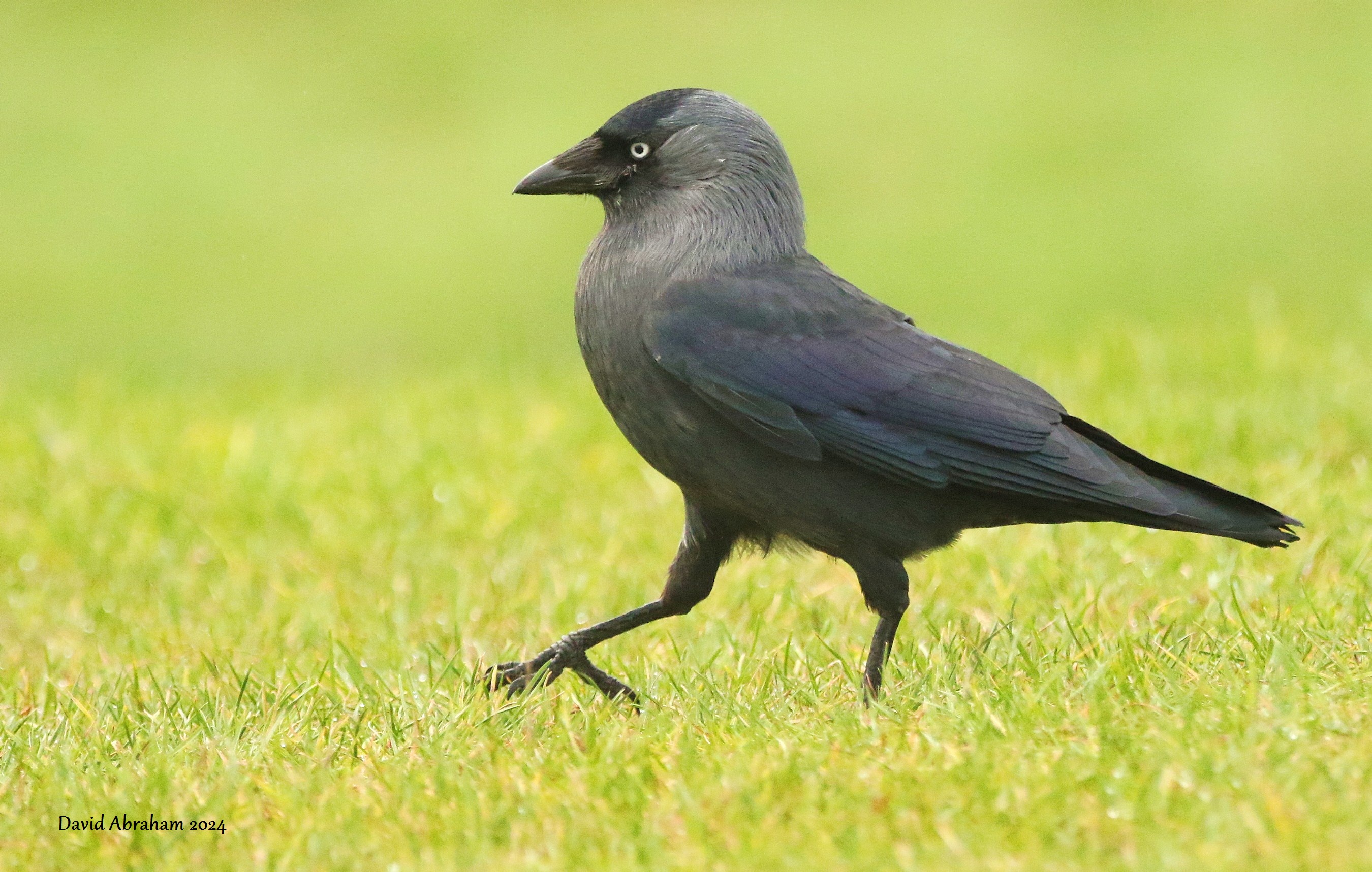
Sleep, while vital, renders animals vulnerable. Many birds, like marine mammals, have evolved a solution: unihemispheric or asymmetric sleep, allowing one half of the brain to rest while the other stays alert. But new research on jackdaws suggests that when sleep pressure rises, vigilance takes a back seat to recovery — with birds switching to deeper, more symmetrical sleep.
In a high-tech study involving 28 EEG electrodes across the jackdaw brain, scientists tracked changes in brain activity during normal rest and after sleep deprivation. The results were striking: following a long period of wakefulness, jackdaws sacrificed their usual pattern of asymmetric sleep in favour of synchronous, whole-brain rest.
This shift reveals a fundamental trade-off in sleep ecology. Asymmetric sleep may offer a window of alertness in risky settings — like when perched in exposed roosts — but it slows down the brain’s ability to fully recover. When deprived of sleep, the birds appear to prioritise depth over defence.
The team, from the University of Groningen and the Max Planck Institute for Biological Intelligence, used gentle stimulation to keep the birds awake for four or eight hours. The following recovery nights showed not just more sleep overall, but a pronounced drop in brain hemisphere asymmetry, especially in the anterior and middle regions of the visual brain. These findings indicate that the homeostatic drive for deep sleep eventually overrides the benefits of keeping “half an eye open.”
Unihemispheric and asymmetric sleep have evolved repeatedly in species under strong predation pressure, from ducks and dolphins to seals and penguins. However, this new study adds nuance, suggesting that these patterns are flexible — and constrained. When the need to restore cognitive function is high, the brain may abandon asymmetry, even if it means compromising vigilance.
The research also uncovered a unique 7-Hz brain oscillation in jackdaws, not seen in other birds, which may play a role in their unusually complex cognitive lives. This frequency, resembling theta rhythms involved in memory in mammals, decreased after sleep deprivation — again underscoring the physiological cost of staying awake.
The study deepens our understanding of avian sleep and its remarkable adaptability. It also hints at broader truths about how animals balance safety and recovery, cognition and survival — whether perched on a branch or navigating the human world.
3 Apr 2025
Share this story





