Government Boosts Funding to Tackle Rural and Wildlife Crime
Over £800,000 allocated to frontline policing units as part of new strategy to protect countryside communities and endangered species
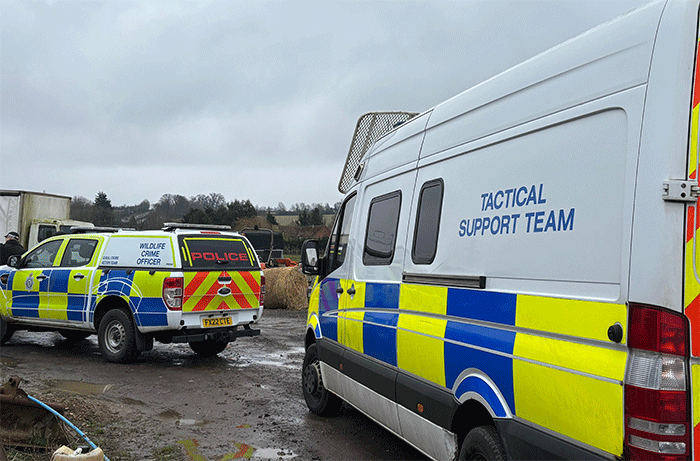
In a move welcomed by countryside advocates and conservationists alike, the UK Government has announced more than £800,000 in additional funding to reinforce frontline units tackling rural and wildlife crime. The National Rural Crime Unit (NRCU) and National Wildlife Crime Unit (NWCU) will receive a significant financial boost to expand their operations, increase intelligence-sharing, and strengthen enforcement capabilities across England and beyond.
The investment is being made in tandem with the upcoming launch of the new Rural and Wildlife Crime Strategy, developed with the National Police Chiefs’ Council. The initiative aims to provide a more coordinated national response to the growing complexity of crimes that blight rural life and undermine environmental protection efforts.
“Too often victims of crime in rural communities have been left feeling undervalued and isolated,” said Minister for Crime and Policing, Dame Diana Johnson. “This new funding will help deliver the change rural communities deserve.”
The NRCU will use its share of the funding to support cross-border police collaboration, harness modern technology, and upgrade operational vehicles—tools deemed essential in targeting serious organised criminal groups engaged in farm theft, hare coursing, and other countryside offences. Since its inception in 2023, the NRCU has helped recover over £22 million in stolen farming equipment.
Meanwhile, the NWCU will focus on disrupting international and domestic criminal networks involved in the illegal trade of endangered species. Enhanced intelligence analysis and financial tracking will enable more sophisticated interventions, and reinforce the UK’s leadership role in combating global wildlife crime through partnerships with INTERPOL and other enforcement bodies.
Chief Inspector Kevin Lacks-Kelly, Head of the NWCU, emphasised the broader significance of wildlife crime: “It not only threatens biodiversity, but also fuels organised crime and corruption.”
The funding is part of a wider rural crime agenda being advanced through the government’s Crime and Policing Bill and the upcoming implementation of the Equipment Theft (Prevention) Act 2023. New powers for local authorities and warrantless police entry to recover stolen equipment via electronic mapping are also on the horizon.
Victoria Vyvyan, President of the Country Land and Business Association, welcomed the announcement: “Farmers and communities – many already struggling with isolation – have had enough of criminals and violent organised gangs targeting them. This is a step in the right direction.”
With the addition of 13,000 neighbourhood officers and Police Community Support Officers promised by the end of this Parliament, officials hope the measures will restore confidence among rural communities and reinforce the UK’s commitment to protecting both people and planet.
25 Mar 2025
Share this story