Gen Z birdwatching numbers rise tenfold since 2018
New research shows nearly three-quarters of a million young people in Great Britain now regularly watch birds
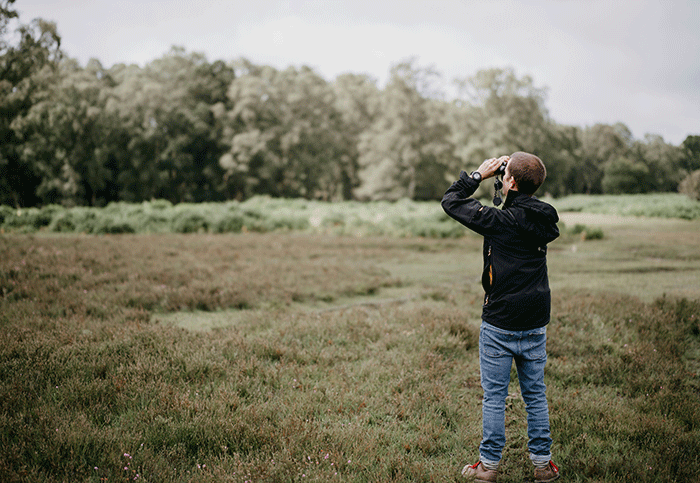
younger age groups. (© Annie Spratt, Unsplash)
Almost three-quarters of a million young people across Great Britain now regularly go birdwatching, according to new research released by the Royal Society for the Protection of Birds (RSPB). The figures reveal a dramatic shift in participation, with a tenfold increase in 16 to 29-year-olds since 2018, making birdwatching one of the fastest growing hobbies among Generation Z.
The findings, published ahead of International Dawn Chorus Day on Sunday 3 May, suggest the pastime is no longer seen as niche or old-fashioned, but is increasingly being embraced by a younger and more diverse audience. Across all age groups, the number of people regularly watching birds has risen by 47% over the past eight years, now totalling more than four million.
While the strongest growth has come from Gen Z, other age groups have also shown significant increases, with participation among Millennials rising by 216% and Gen X by 66%. The RSPB says the trend reflects a broader shift towards activities that encourage time outdoors, connection with nature and a slower pace of life.
Jess Painter, a member of the RSPB Youth Council, said she had seen a noticeable rise in interest among young people, particularly through social media. She described birdwatching as becoming more accessible and less defined by specialist knowledge, with people sharing their experiences and enthusiasm more widely online. For her, watching birds offers a sense of calm and a chance to disconnect from daily pressures.
Molly Brown, a wildlife expert with the RSPB, said the research highlighted how widely the appeal of birdwatching now extends. She noted that people of all ages are discovering the benefits of connecting with nature, from exploring green spaces to improving general wellbeing, and emphasised that the activity requires little prior knowledge to get started.
The release of the research coincides with International Dawn Chorus Day, which marks the peak of birdsong each spring as species sing to attract mates and defend territories. The RSPB is encouraging people to experience the event by heading outdoors or simply opening a window around 45 minutes before sunrise, when conditions are at their most favourable for hearing birdsong.
Dr Amir Khan, a GP and President of the RSPB, said spending time in nature can have measurable benefits for mental health. He explained that being outdoors and listening to birdsong can help stimulate serotonin, a chemical linked to improved mood, and contribute to an overall sense of wellbeing.
Research cited by the RSPB also suggests that engaging with nature may support both mental and physical health, with some studies indicating that activities such as birdwatching could help slow age-related cognitive decline. Dr Khan added that humans have a natural inclination to connect with nature - often described as the biophilia hypothesis - and that birdsong represents one of the most immediate and accessible ways to experience this connection.
With participation continuing to rise, the RSPB believes the growing interest among younger people could play an important role in shaping future attitudes towards nature conservation, while also encouraging more people to experience the benefits of time spent outdoors.
April 2026
Get Breaking Birdnews First
Get all the latest breaking bird news as it happens, download BirdAlertPRO for a 30-day free trial. No payment details required and get exclusive first-time subscriber offers.
Share this story