Female Greater Mouse-eared Bat found in Sussex tunnels
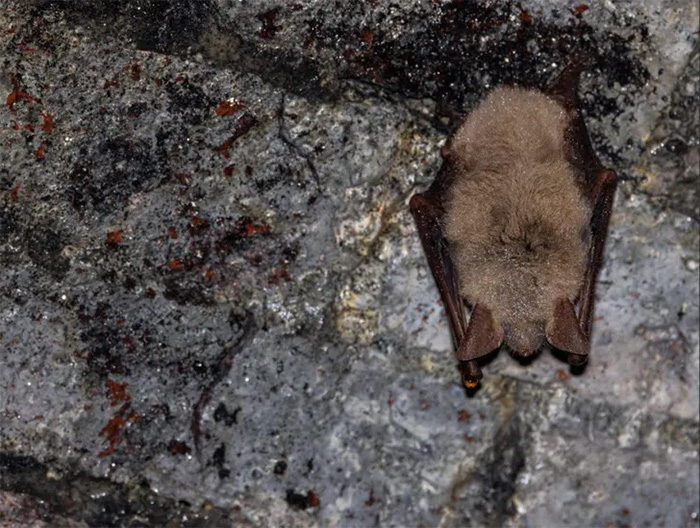
The Greater Mouse-eared Bat (Myotis myotis), once believed extinct in the UK, may no longer be alone. Bat experts have reported the remarkable discovery of a female of the species in the South Downs National Park, the first wild sighting of a female in Britain since the 1980s.
Declared extinct in 1992, the species surprised conservationists when a solitary male was found in a disused railway tunnel in West Sussex in 2002. Another male was recorded in the same area in 2023. Now, the appearance of a female raises hopes of a potential resurgence.
Daniel Hargreaves, Bat Programme Manager for the Vincent Wildlife Trust, described the discovery as "fantastic news" and said he felt "privileged to have witnessed it first-hand." Conservationists have since ringed the female bat for future identification as they continue monitoring the area for additional individuals and roosts, searching for signs of a breeding population.
A spokesperson for the Sussex Bat Group reflected on the significance of the find, stating, "With no sightings in 2024, the species was thought to have said a final farewell to Britain." The emergence of a female is a potential turning point for a bat species long considered lost to the nation.
Daniel Whitby, a bat ecologist, hailed the discovery as "a remarkable moment that brings huge hope for this species." He emphasized the importance of conservation efforts, noting, "By providing suitable roosts, restoring habitats, and addressing anthropogenic threats such as artificial light and noise, this species might just stand a chance of recovery."
The original male, however, has not been seen since 2023. Despite this, the South Downs site is being recognized as a key location for the species’ conservation. Nick Gray from the Sussex Bat Group highlighted its importance, stating, "The site is undoubtedly of national significance, and we are fortunate to have it within the South Downs National Park."
Conservationists remain hopeful that with dedicated efforts, the Greater Mouse-eared Bat may find its footing in the UK once again.
28 January 2025
Share this story