Curlew chicks rescued from wildfire returned to wild
Eggs were removed from a nest threatened by a major blaze in County Fermanagh before the young birds were reared, satellite-tagged and released at a protected site.
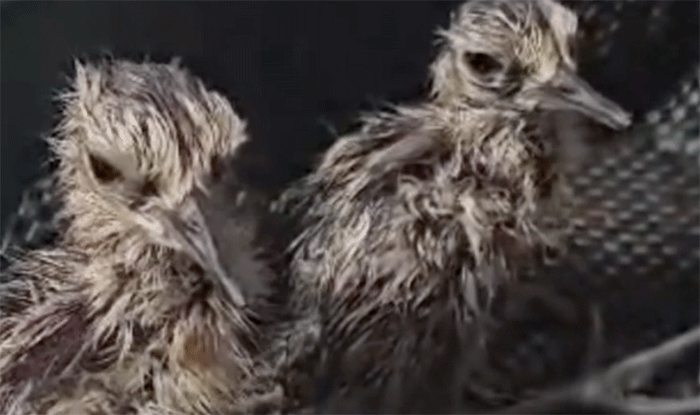
Curlew chicks rescued after a wildfire swept across their breeding site in Northern Ireland have been successfully returned to the wild.
The birds came from a nest near Brookeborough, County Fermanagh, where approximately 1.75 square kilometres of land were affected by the fire. Some 85 firefighters attended the incident.
RSPB Northern Ireland conservation adviser Róisín Normanly, who had been monitoring the breeding Curlews, alerted firefighters to the presence of the nest. Fire crews then worked with staff and volunteers from the RSPB and Sliabh Beagh Curlew Conservation Trust to protect it as the blaze spread through the surrounding landscape.
With the eggs facing an immediate threat, permission was obtained from the Northern Ireland Environment Agency to remove them. Equipment supplied by the Breeding Waders European Innovation Partnership was used to care for the eggs and subsequently the chicks.
The young Curlews were later released at a dedicated site in Fermanagh. Each was fitted with a satellite tag, allowing conservationists to follow its movements and gather information that could assist future work to protect the species.
Normanly said she was grateful to the Northern Ireland Fire and Rescue Service, Forestry Service, conservation organisations, landowners and local community whose rapid response had allowed the chicks to survive.
“Curlews are one of our most threatened breeding birds, every single nest matters,” she said. She added that the incident demonstrated the severe damage wildfires can cause to breeding habitats, nests and fragile ecosystems.
The Brookeborough site is monitored by the Sliabh Beagh Curlew Conservation Trust and RSPB Northern Ireland through PeacePlus Nature, a cross-border programme supporting the recovery of habitats and wildlife.
July 2026
Get Breaking Birdnews First
Get all the latest breaking bird news as it happens,
download BirdAlertPRO
for a 30-day free trial. No payment details required and get exclusive first-time subscriber offers.
Share this story