


Carr Island joins Lough Erne reserve network for breeding waders
RSPB Northern Ireland has acquired the Lower Lough Erne island with more than £210,000 of government support.
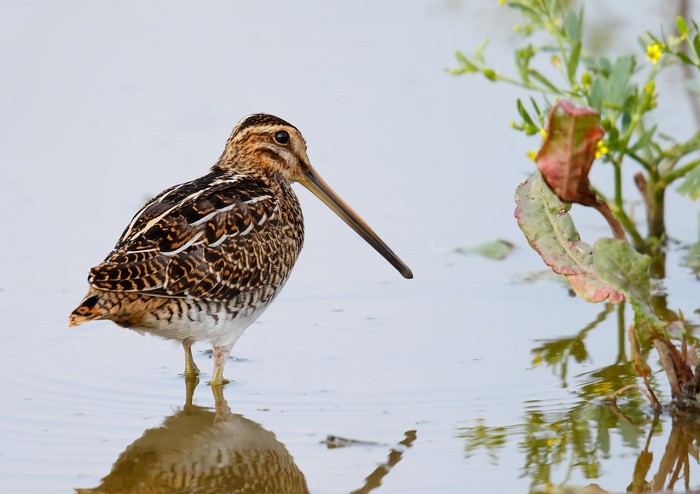
Carr Island on Lower Lough Erne has been acquired by RSPB Northern Ireland, extending a reserve network managed for Curlew, Lapwing, Snipe and other breeding birds.
The purchase was supported by more than £210,000 from the Department of Agriculture, Environment and Rural Affairs through its Environment Fund, alongside philanthropic support.
RSPB's Lough Erne reserve is the charity's most westerly reserve in the UK and encompasses around 40 islands across the lower lough. The connected network provides nesting and feeding habitat for breeding waders, terns and gulls, including Sandwich Terns.
Management on Carr Island is expected to include habitat restoration and sustainable grazing. The aim is to maintain an open, varied sward in which waders can nest while their chicks reach damp ground rich in accessible invertebrate prey.
The new site lies near Trasna Island, where the RSPB says earlier habitat work has already helped to reverse declines and establish more stable breeding populations.
“Bringing Carr Island into the reserve is a hugely exciting step for nature in Lough Erne.”
Michael Rafferty, RSPB Northern Ireland
Across the reserve, the number of breeding Curlew pairs rose from 42 in 2024 to 55 in 2025. A total of 139 pairs of breeding waders was recorded, including Lapwing, Redshank, Snipe, Oystercatcher, Common Sandpiper and Dunlin.
Those results demonstrate the potential of management across the existing islands, but they should not be treated as an outcome of the Carr Island purchase. Restoration at the newly acquired site is still to be carried out, and future monitoring will be needed to show how birds respond.
The acquisition follows the addition of Inishcreenry on Upper Lough Erne and comes as RSPB Northern Ireland marks 60 years of conservation work. Together, the purchases reflect an effort to improve habitat at landscape scale rather than manage isolated fragments.
For declining breeding waders, the value of Carr Island will depend on the condition created over the coming seasons and its connection with neighbouring sites. Securing the land is the enabling step; grazing, water management and protection from disturbance will determine the ecological result.
9 Sep 2026
Get Breaking Birdnews First
Get all the latest breaking bird news as it happens, download BirdAlertPRO for a 30-day free trial. No payment details required and get exclusive first-time subscriber offers.




