Beaver comeback accelerates with 100 releases scheduled for 2026
Natural History Museum highlights growing momentum behind Beaver restoration, with further releases expected under new government approach
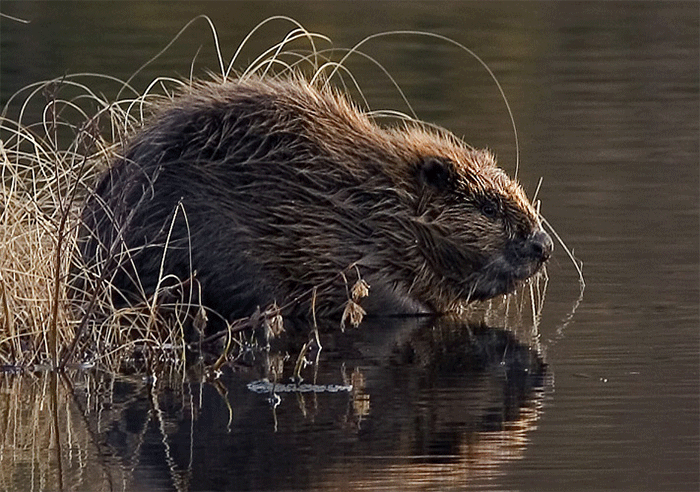
A return gathering pace
Beavers are set to be reintroduced to more parts of England as the government moves to expand its licensing system for releases. According to a new update from the Natural History Museum, further projects are expected to follow as support grows for restoring this once-native species to Britain’s rivers and wetlands.
Eurasian Beaver Castor fiber was hunted to extinction in Britain around 400 years ago. In recent years, a combination of trial reintroductions and managed releases has demonstrated how the species can reshape landscapes and improve biodiversity.
From trials to wider rollout
Beavers are already established in parts of England following licensed releases and natural spread from earlier projects. The new approach is designed to make it easier for suitable, carefully planned reintroductions to take place in appropriate river catchments.
Under the expanded system, landowners and conservation organisations will be able to apply for licences to release Beavers into the wild, provided robust management plans are in place.
Nature’s engineers
Beavers are often described as ecosystem engineers. By felling trees and building dams, they slow water flow, create wetlands and increase habitat complexity. This can benefit a wide range of wildlife, from amphibians and dragonflies to wading birds and fish.
Wetlands created by Beavers can also store carbon, improve water quality and help reduce downstream flooding by holding back water during heavy rainfall.
Balancing benefits and concerns
While the ecological case for Beaver reintroduction has strengthened, concerns remain in some quarters, particularly around potential impacts on farmland, fisheries and infrastructure. The licensing system includes provisions for management where conflicts arise, including the use of flow devices and, in limited cases, removal of problematic animals.
The Natural History Museum notes that the long-term success of Beaver restoration depends on collaboration between conservationists, land managers and local communities.
More to come
With further releases anticipated, England appears to be moving from isolated projects towards a more strategic, landscape-scale recovery of Beavers.
If successfully managed, the return of Castor fiber could mark one of the most significant native species restorations in modern British conservation - reshaping rivers and wetlands in ways not seen for centuries.
February 2026
Get Breaking Birdnews First
Get all the latest breaking bird news as it happens, download BirdAlertPRO for a 30-day free trial. No payment details required and get exclusive first-time subscriber offers.
Share this story