Barn Owl and Atlantic Puffin chosen for new banknotes
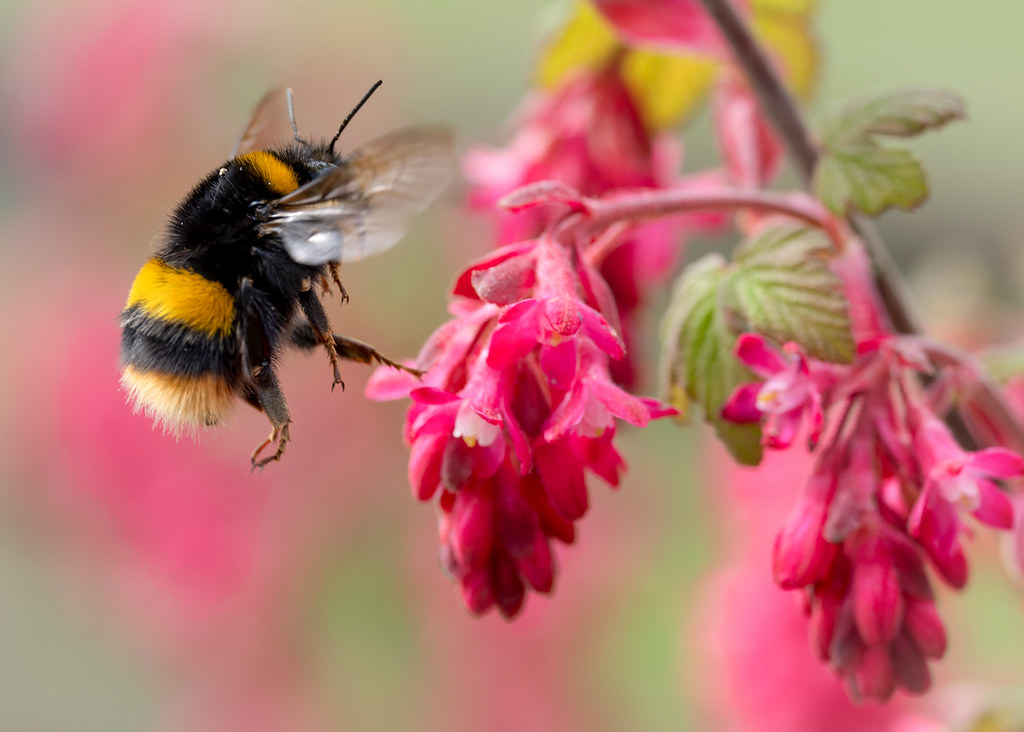
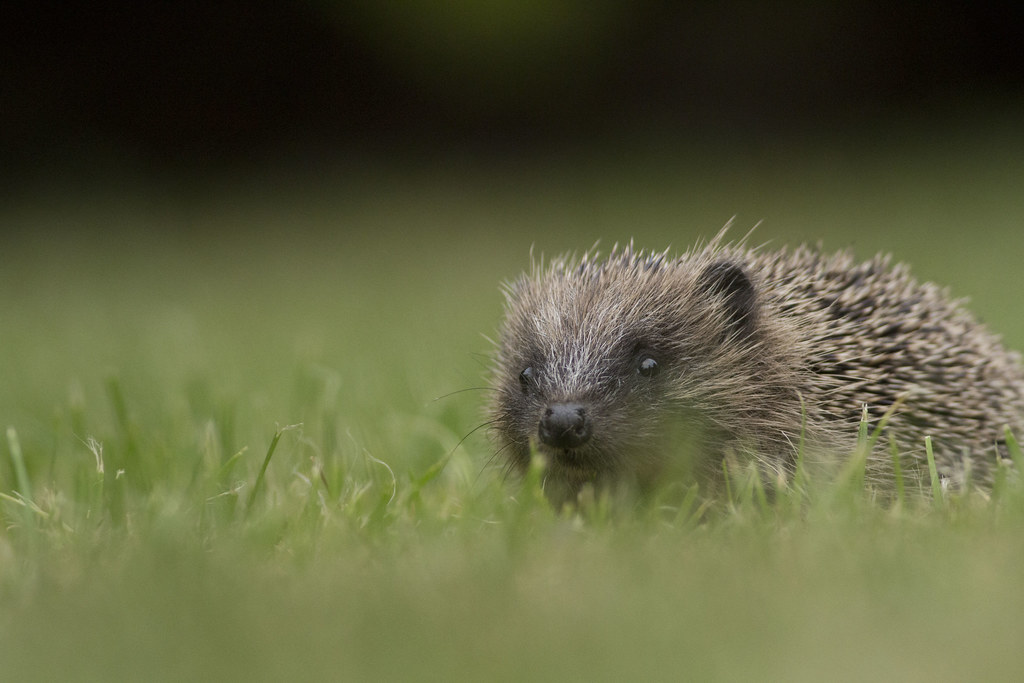
The Atlantic Puffin, Barn Owl, Buff-tailed Bumblebee and European Hedgehog will represent UK wildlife and feature as the central images on our next series of banknotes.
Nearly half a million people took part in the Bank of England consultation that put British wildlife at the centre of the next series.
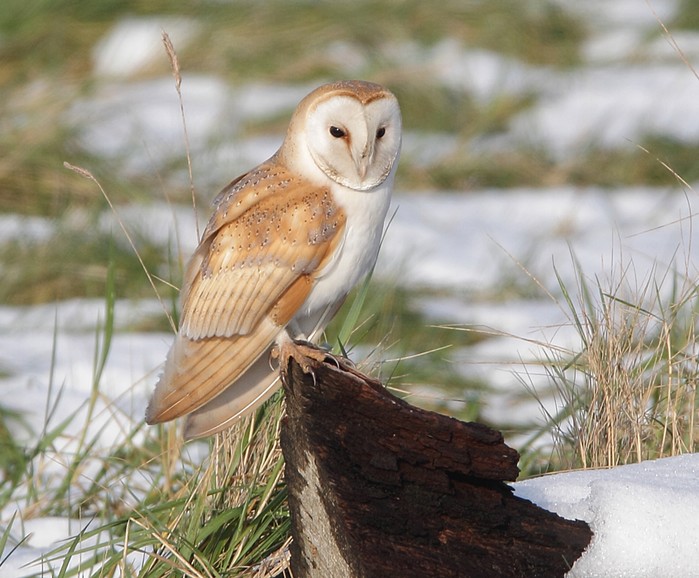
Barn Owl and Atlantic Puffin will appear on the next generation of Bank of England notes, alongside Buff-tailed Bumblebee and European Hedgehog. The four animals were announced on 8 October after the Bank's largest-ever public consultation on banknote imagery.
The Bank received 478,531 responses during the month-long vote in June and July, with participants making more than 2.5 million selections from a shortlist of 18 native animals. The final list was divided among birds, mammals, and amphibians, insects and fish.
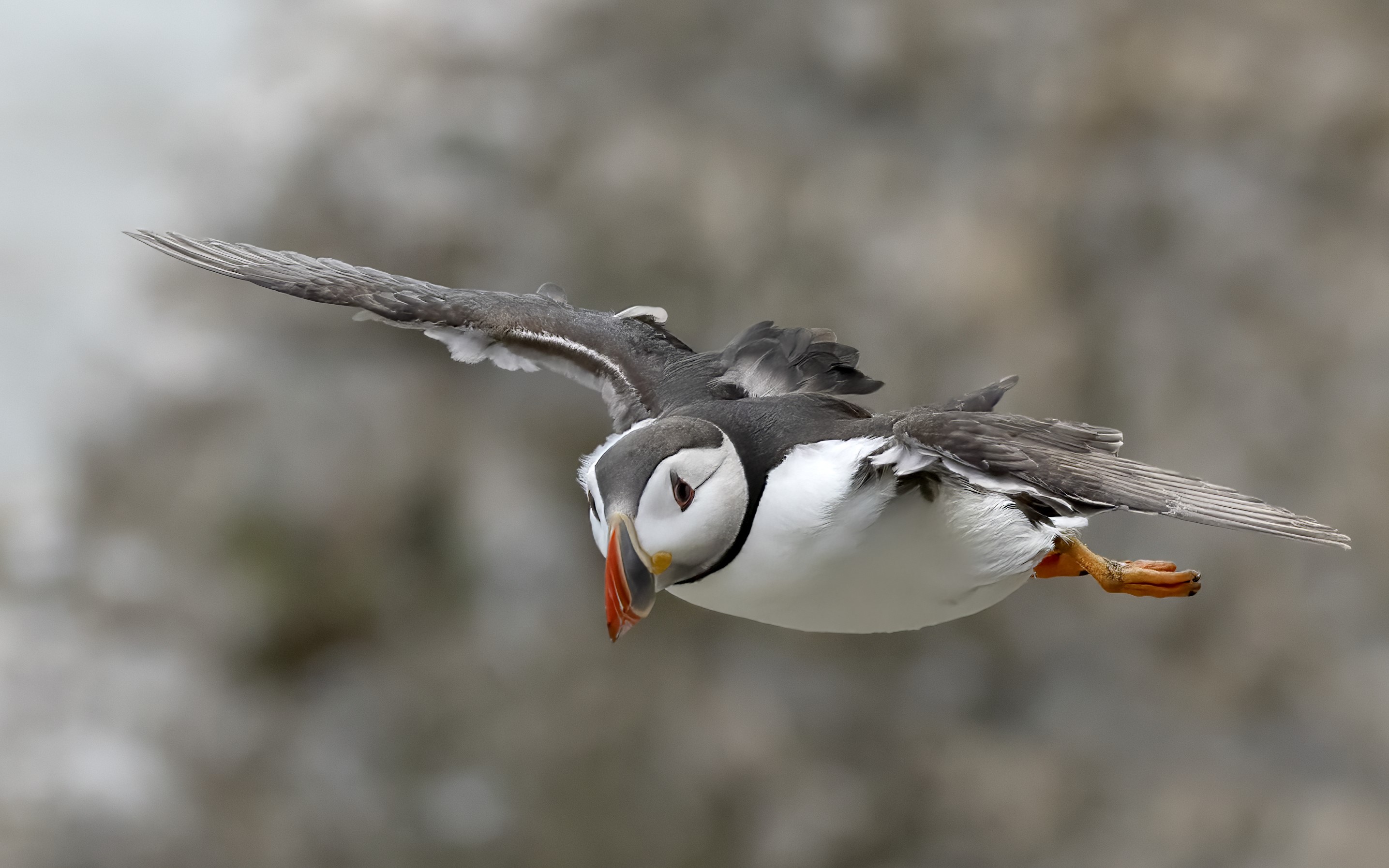
Barn Owl topped the bird category with 270,596 nominations. Common Kingfisher followed on 211,277 and Atlantic Puffin on 183,137, ahead of Great Spotted Woodpecker, White-tailed Eagle and Eurasian Curlew. The Bank then added the puffin as the most popular marine species, saying it would celebrate the British coastline and help distinguish the notes.
Buff-tailed Bumblebee received the largest total in any category, with 360,399 nominations, while European Hedgehog led the mammals with 259,665. Red Fox placed second among mammals and Emperor Dragonfly was the runner-up in the third group.
With these animals as the focus for the design we can deliver a new series of banknotes that are secure and represent the UK at its best.
Rhys Phillips, incoming Bank of England Chief Cashier
The four species will provide the central images for the £5, £10, £20 and £50 notes. The Bank has not decided which animal will go on which denomination. Other wildlife from the shortlist may appear as supporting design elements, and the portrait of the monarch will remain on the opposite side.
The choice follows an earlier consultation in which 60% of respondents selected nature as one of their preferred themes. A panel of wildlife experts helped draw up the shortlist, including representatives from Ulster Wildlife, Cardiff University and Nottingham Trent University, as well as wildlife filmmakers and presenters.
Atlantic Puffin is globally assessed as Vulnerable and is Red-listed in the UK because of long-term decline. Barn Owl is more widespread but depends on suitable rough grassland, prey and nesting sites. Their selection gives two familiar birds unusual visibility, although appearing on currency does not bring additional legal protection or conservation funding.
Designing the notes will take several years. The Bank says the process involves new materials and security features, accessibility work, detailed engraving, manufacturing trials and full-scale production. The first denomination is expected within the next few years, but no launch date has been given.
The current Series G polymer notes were introduced between 2016 and 2021 and feature Winston Churchill, Jane Austen, JMW Turner and Alan Turing. Historical figures have occupied the reverse of Bank of England notes since 1970; the wildlife series will be a substantial visual change.
Cash remains the preferred payment method for about one person in seven, according to the Bank, and the value in circulation reached £91.5 billion in February. The wildlife designs must therefore work not only as illustrations but as durable, accessible objects with features that are difficult to counterfeit.
8 Oct 2026
Get Breaking Birdnews First
Get all the latest breaking bird news as it happens, download BirdAlertPRO for a 30-day free trial. No payment details required and get exclusive first-time subscriber offers.