Weekly birding round-up: 28 June - 04 July 2017
The new week began with one of the grimmest summer days for many a year, certainly along the east coast, as a vast grey belt of wet weather extended its soggy mass from a long way north to a long way south ~ it rained, it drizzled, it mizzled and rained again with barely any respite from the clag (and cool wind) for the entire waking hours of daylight.
A miserable start to the new birding week then but it did improve (as in the rain at least stopped) as a weak ridge of drying high pressure squirted itself westwards from the Western Approaches and brought with it some sunnier spells and a rise in the scores on the thermometer-doors, scrabbling a way in to the bottom end of the low 20 degree mark.
A settled, fresh feeling few days saw the week out, winds generally lightish and rooted somewhere in the nor’west although a few beefy showers scudded their way across some areas of western England and Ireland, as well as parts of northern Scotland.
A quietish week weatherwise and, overall, a not-unexpectedly quiet week in the world of rares. However, as was discussed last week, there’s normally a surprise to be had and sure enough, the new review week kicked-off with a surprise (of sorts) when an increasingly familiar transient friend returned to an old haunt and it was followed at the weekend by a dazzling double in northeast Scotland…

There was almost a sense of inevitability pervading the air when Sunday’s clarion call to panicked arms cut across the morning sunshine along the north Norfolk coast ~ it was only ever going to be a toss-up as to whether it would be the returning Albatross or the heavily predicted Pacific Swift which was causing the fuss and, sure enough, it was the latter species that was taking centre stage, with news of an appearance over Aberdeenshire’s just northeast of Cruden Bay, at Longhaven.
A Scottish first record, and the first example here since the much admired bird of June 2013, this really was on the cards and for two reasons. Reason #1 is that July has good history in terms of Pacific Swift records; three of the seven different accepted individuals have been recorded this month (including, as mentioned last week, one at Spurn on the first of the month in 2005). Reason #2 and the one that ensured it was worth taking a punt on this as a prediction for this week, was the presence of the bird on Iceland just eight days before the Cruden bird was discovered.
There’s no reason to see this as being anything other than one-in-the-same, particularly given the two northerly locations and it seems entirely possible that it is also the very same individual that was first seen (and photographed) at Westkapelle, in the Netherlands, on June 12th.
Currently there are nine accepted records on the books, of seven different birds but, as with White-throated Needletail there’s a chance that the four records from East Yorkshire, between 2005 and 2013 may actually refer to the same returning bird which could reduce the number of actual individuals observed here down to a maximum four.
Britain’s first Pacific Swift was famously caught, exhausted, on a gas platform well off Norfolk’s east coast on June 19th 1981, being released in Suffolk, near Beccles, the following day. Even more famous was Cley’s Bank Holiday bird of May 30th 1993 which caused much chaos (and controversy) as people hurried to the reserve before the bird took its leave as the clocked hit 4 o’clock.
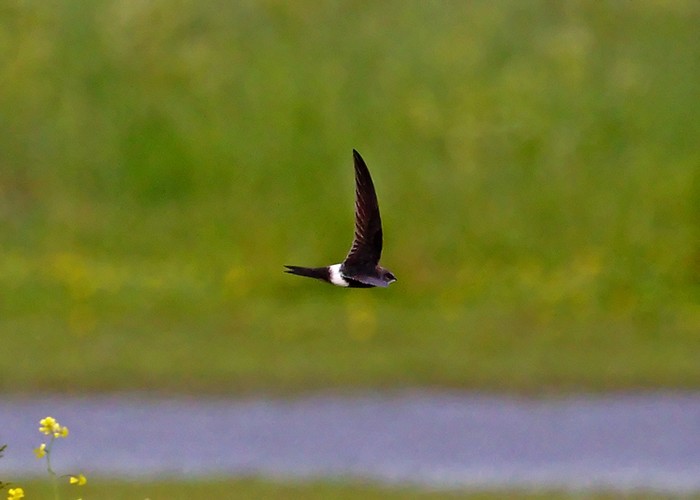
A brief fly-through in Northamptonshire, at Daventry Reservoir on July 16th 1995 was our third and a decade elapsed until the Spurn bird of July 1st 2005. The same recording area scored again on June 22nd 2008 and July 9th 2011 and then came the second twitchable record; one appearing in Suffolk (at Bawdsey) on May 29th was relocated at Spurn on June 12th and was seen later the same day zipping south at Saltfleetby in Lincolnshire. By 15th it was back in Suffolk, spending two days at Trimley Marshes, to the relief of all those not in the listing game in 1993…
Scotland debut record didn’t spend a huge amount of time on site, so many national listers would have been left frustrated but there’s every chance it’ll hang around somewhere soon.
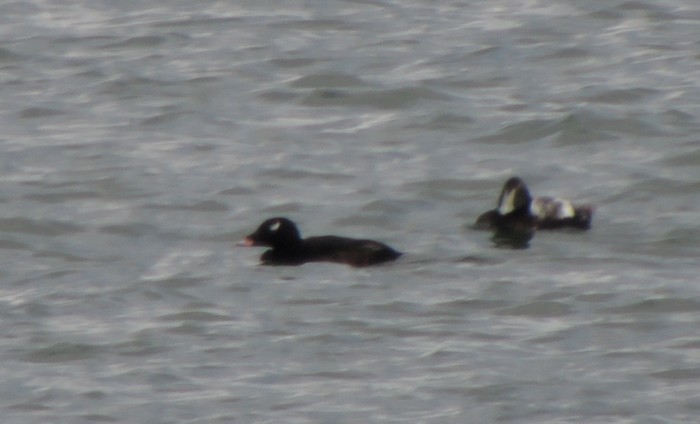
As the dust began to settle on the Swift, birders in Aberdeenshire clearly weren’t letting up in their Sunday quest for excruciatingly rare birds within their part of northeast Scotland and less than five hours after the first mega alert resonated out of the county, a second followed and it wasn’t for the re-finding of the Pacific Swift, this time it was for the returning drake American White-winged Scoter…
As soon as the species and county was known, there was just one place this most handsome of seaduck was going to be and that was off the beach at Murcar, precisely the spot that this same adult drake spent late June to the end of August last year.
Six summers ago, hundreds headed to the huge dune system between Murcar and Blackdog to pay homage to the first-summer American White-winged Scoter, a quite brilliant find by Chris Gibbins and Paul Baxter. That bird (which could, of course be this week’s bird) spent June 11th-23rd on site, in an extensive flock that comprised four different Scoter species (just as it did this week).
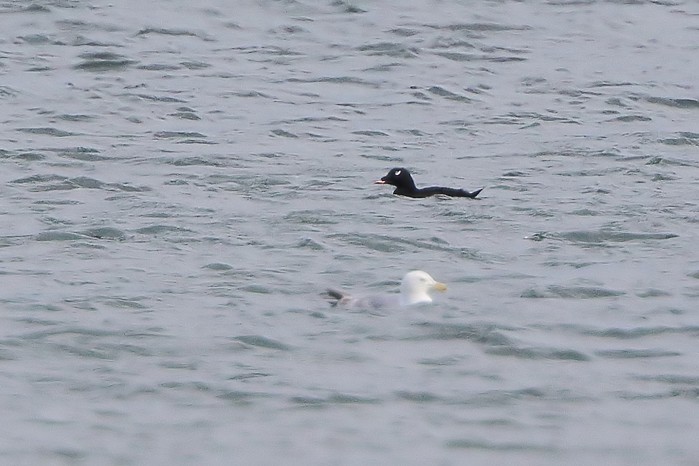
Despite the gap of five years between the two records (2011 and 2016) it does feel as though this could well be the same bird but there’s no doubting that the 2016 and 2017 records relate to one individual, perhaps even the drake that started the spring off in Sweden? Either way, this week’s bird remained to 4th.
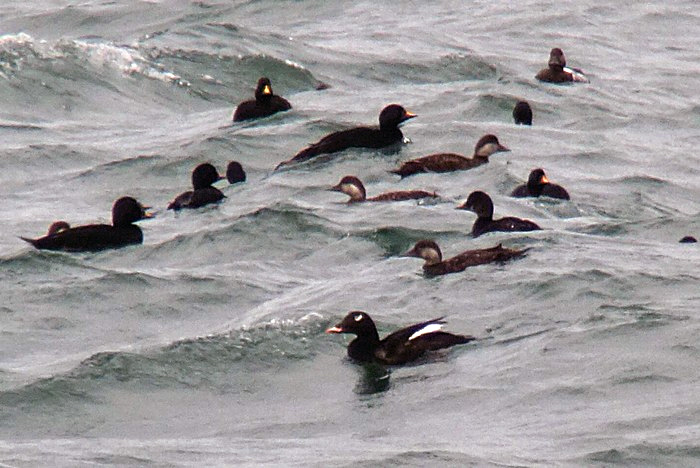
Aberdeenshire then has both records of confirmed deglandi White-winged Scoter to its name while Ireland famously laid claim to the only record of Stejneger’s Scoter, the cracking Rossbeigh drake present off the Kerry coast from February to April 2011, just two months before the American W-wScoter surfaced.
There is one further accepted record of a White-winged Scoter to mention, the drake that was photographed on Christmas Eve 2013, at the mouth of the River Esk in Lothian. This was a bird which split the BBRC at the time in terms of which (sub-)species was involved ~ the images still suggest that stejnegeri as being a closer fit, but it is a tough one.
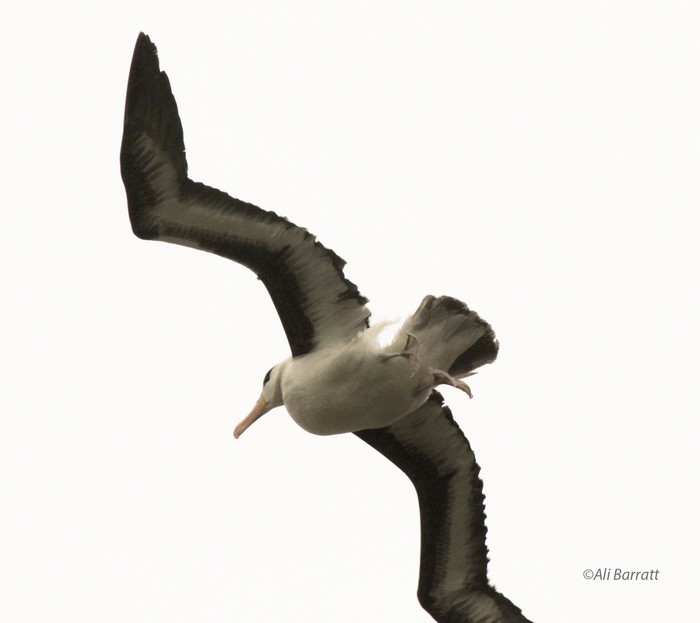
We’re getting used to this one now.
Every so often, just when there’s a little lull in the proceedings around the country, that roaming German Black-browed Albatross gets itchy feet and decides to stretch the wings and have a little flight across the North Sea.
It did it in 2015 (in the wackiest of circumstances) and it did it again 2016 (at least it had a look at Gannets then and not Mute Swans). It has, of course, already done it a couple of times in 2017 as well, but there’s no stopping this extraordinary pelagic vagrant in terms of the element of surprise and that first damp and dismal day of the new week was no exception…
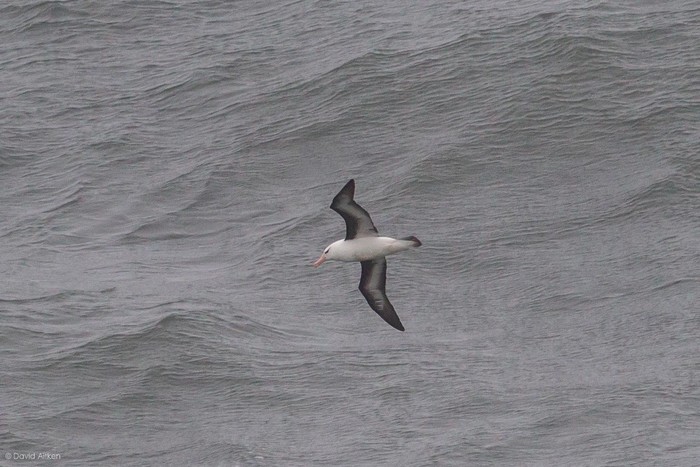
The story of this week’s Black-browed Albatross adventures began around lunchtime on 28th when news of a “probable” loomed large on the Bempton Cliffs twitter feed. Given this bird’s penchant for the site this year, it seemed entirely probable that the “probable” was actually going to turn in to the real deal (again).


One further flypast along the cliffs followed at around 3pm but then he/she was gone and by close of play, there’d been no second coming….
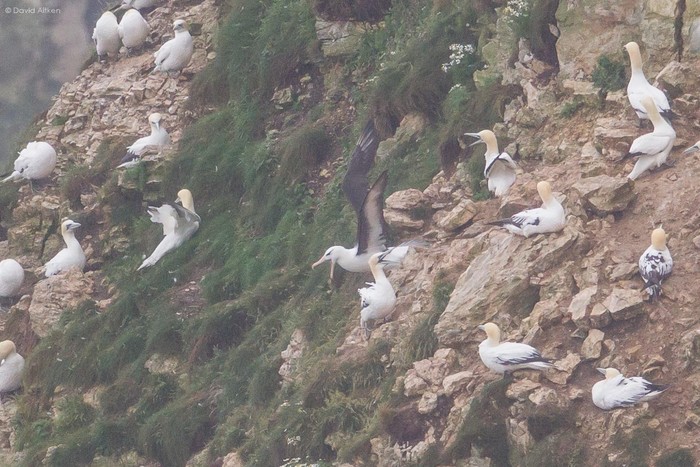
…which is presumably because it had already set the internal SatNav for a trip back north and a chain of sightings on 29th, stretching from Durham to Lothian, ensued over the course of over 12 hours as the bird sauntered, at a most leisurely pace, along the north east coast of England and Scotland.

Keen eyes in the gloom at Whitburn (Co. Durham) kicked things off, the Albatross tracking north at 5.30am. A surprisingly long time elapsed until it made it to Northumberland and the Farnes, over six hours, but there it was, still moving north, off Staple Sound, sometime around 11.50am. Three hours later, Borders birders scored within ten minutes of each other, seen at 2.50pm from Eyemouth and then at 3pm at St. Abbs Head with another gap of over two and a half hours until the final sightings, this time in Lothian, where the bird was seen from Dunbar, at 5.40pm and then finally at Seacliff at 6pm.
Rare seabirds being tracked north from East Yorkshire and Durham isn’t a new thing of course; cast your mind back to the twitchable Pterodroma of September 21st 2014; that bird was first sighted in East Yorkshire and was logged from four further counties as it headed north through the day, with North Yorkshire, Cleveland, Durham and Northumberland during the rest of the day (many birders stationing themselves at Whitburn and scoring too).
In terms of county significance, this week’s fly-by was big news for Durham, Northumberland and Borders, this being the first Black-browed Albatross record in any of the three counties; Lothian has four acceptances, of two birds ~ the most recent was an adult in 2002 (thought to have been seen in East Yorkshire as well) with three years’ worth of sightings of what has long been assumed to have been “Albert”, out on the Bass Rock from 1967-1969. The bird from the class of 2017 will certainly have caught site of Bass Rock (you’d think) as it made it to Lothian waters and if it doesn’t pop in there anytime soon (as in this week), it surely won’t be long until it investigates further.
Quite why the Albatross spent so much time trundling north is anyone’s guess, but it seems most likely that it would have sat around on the sea for a while here and there, mooched about with a Gannet flock or two, had a nibble at a passing squid, maybe even thought about another peep “down south”.
With at least three visits here already since mid-May, there’s every chance that there’s going to be more to come. Bempton? Bass Rock? Or somewhere else? Wherever it may be, there’s a whole host of nouveau-listers are just waiting for their moment…
Albatross aside, this week has been, by and large, a pretty quiet one and as fine a bird as a Pacific Golden Plover, it isn’t often a species that makes it to the headliners.
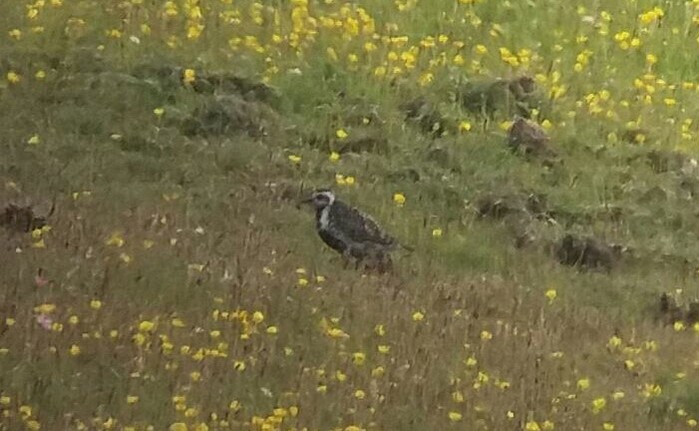
For this week though, the upgrade is justified and we’re away to North Ronaldsay where an adult fulva was discovered during the afternoon of 28th, accompanying the island’s first autumn influx (just coz we think that we’re in summertime doesn’t mean the birds do) of Goldies.
This will become the 12th Orkney Pacific Golden Plover record, all of them coming since the first was discovered on North Ronaldsay in July 1991. Indeed, this particular little Orcadian island has become the place to see the species in Britain, of those dozen records in all for the archipelago, 11 of them have been discovered on North Ron., the one exception being a juvenile on Stronsay in October 1996.
Eight of North Ronaldsay’s records have come since 2002 and there’s every chance that perhaps one returning bird may have been involved ~ after two different adults were accepted in 2008, a run of records in 2011, ’13 and ’14 could well have been one-in-the-same bird (found on July 5th, July 1st and July 23rd respectively) and this may even be that bird, back again.
There are 12 previous June records nationally and this week’s Pacific Goldie is the second June record on North Ronaldsay, the first being seen on June 30th 2004.
Still a rare bird here, the species snuck into three figures only in 2013 and Norfolk still heads the pack, 13 records there (up to and including the Titchwell adult found last summer), Orkney is second with their 12 then comes Wexford, with seven records in all.

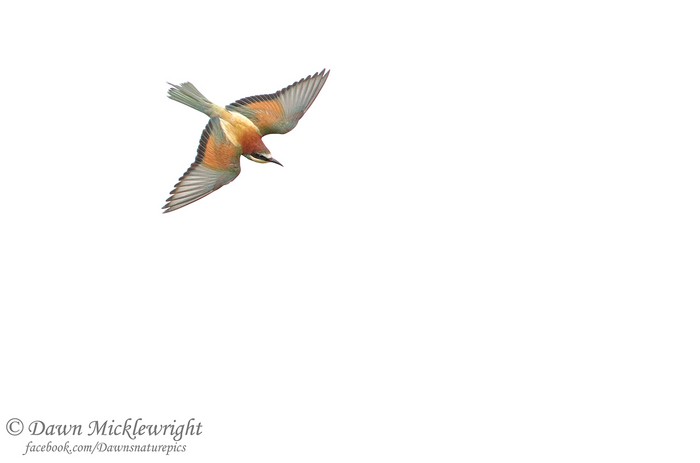
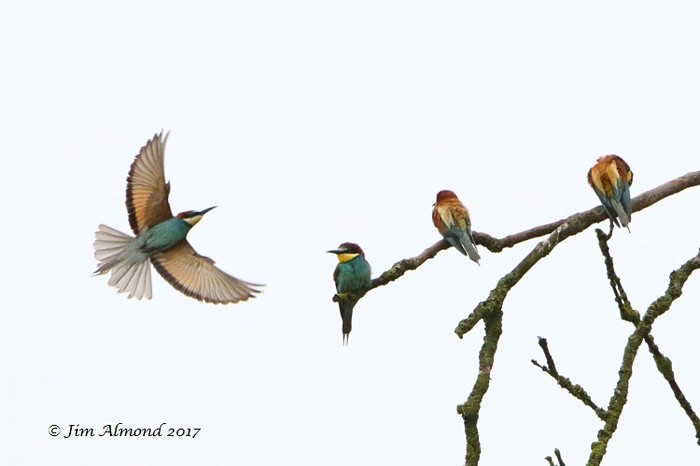
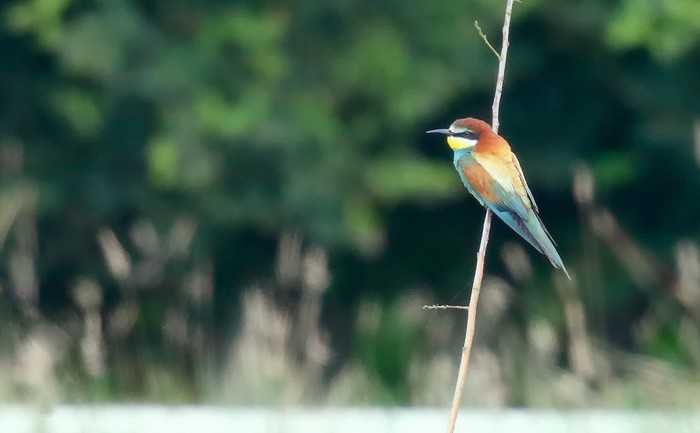
The East Leake quarry in Nottinghamshire has become an increasingly important focal point this week as the group of up to six or seven Bee-eaters remained on site throughout the week and the action became all the more exciting.

Ahead of the weekend, the RSPB issued a press release indicating that at least one pair was involved in excavating a nest-hole (alongside the Sand Martins) and, bearing in mind, birds were noted copulating towards the end of the last review period, everything is lined up for another nesting session.
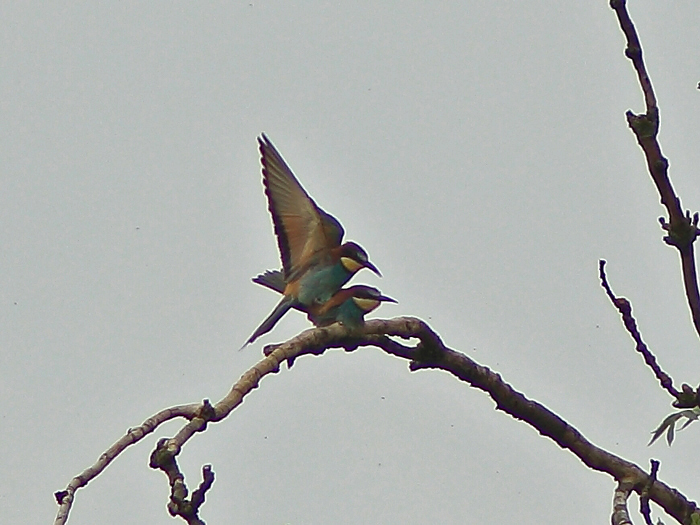
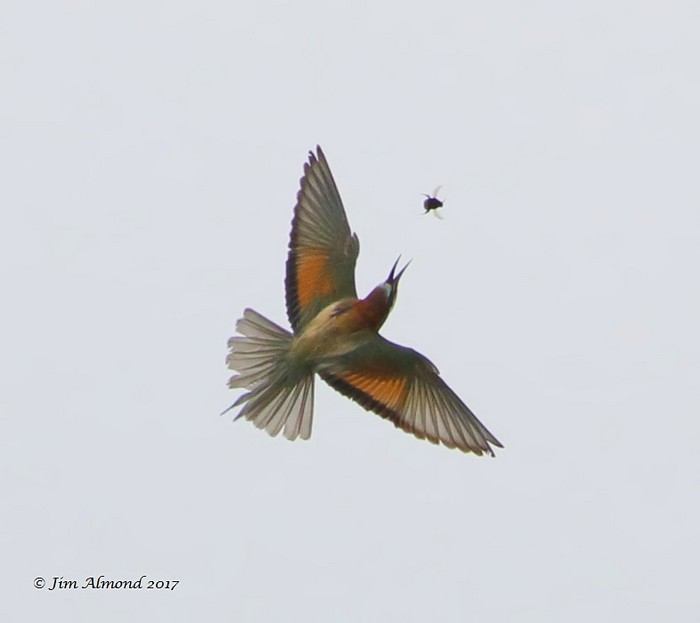
As mentioned last week, there’s a slight upward spike at the moment in Bee-eaters breeding attempts here ~ the Brampton birds tried their best in Cumbria in 2015 (success unknown) and on the Isle of Wight, at Niton, in 2014 (where juveniles fledged). Let’s see how the East Leake story pans out in the next couple of weeks.
Let’s wrap this one up whilst we’re here ~ last week’s long-shot (in terms of authenticity) the female Bufflehead in Northamptonshire remained around Daventry Reservoir CP for a few days and, thanks to the exemplary work of members of the N.O.C. (Northants Ornithological Constabulary) Detectives Bullock and Alibone have provided irrefutable evidence for the prosecution m’lud…
The metal ring detail was well photographed at Daventry and the numbers (without any alphanumeric detail elsewhere on the ring) didn’t match banding schemes in the US or Canada. There’s no hope of it being ringed somewhere else (not as a wild bird) so it is a valuable lesson in the worth of perseverance in such matters ~ a metal ring always has brings with it a feel-good factor on a rare duck but, along with the marginally atypical date, it hasn’t here.
Three metal-banded Buffleheads then are now thought to be/known to be duffers ~ as mentioned last week, we’re on about the East Yorkshire bird in 1997 and last autumn’s impressive feeling one-day Beds bird. Where does that leave the Roadford Reservoir bird? Arrival and departure dates all fit with a wintering wild individual, and the geography helps too but can it be safely seen as wild? A metal ring isn’t a sure fire way to guarantee acceptance, as this week proves and those who saw the Hornsea and Priory Park bird may still feel hard done by.
Still in no hurry to go anywhere was the summering Pied-billed Grebe who remained at Loch Feorlin, near Minard (Argyll & Bute) through until 30th at least.
This record is starting to mirror that of another near-resident, summering Pied-billed Grebe in the far west of Scotland, the splendid male that spent June 1983 to August 1985 on Loch na Liane Moire, South Uist; initially the site was shrouded in secrecy and it took birders a far old time to get to the bottom of exactly where it was.
At the time, it was still a really rare bird too ~ just the 8th record in all (we’re well over 60 different individuals now). Those who did travel to the Hebrides were treated to cracking views of the snorkelling grebe in a quite beautiful location…happy days!
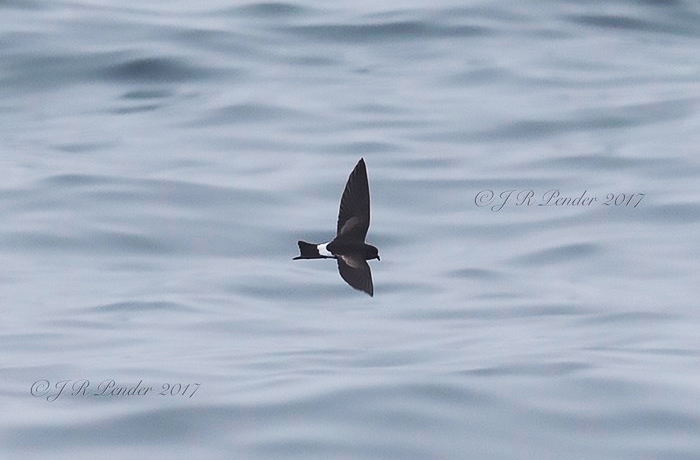
Out at sea, some 20 miles off the Pembrokeshire coast came the first of the week’s Wilson’s Storm-petrel records, logged on 1st with two more following from a Scilly pelagic on the evening of 3rd.
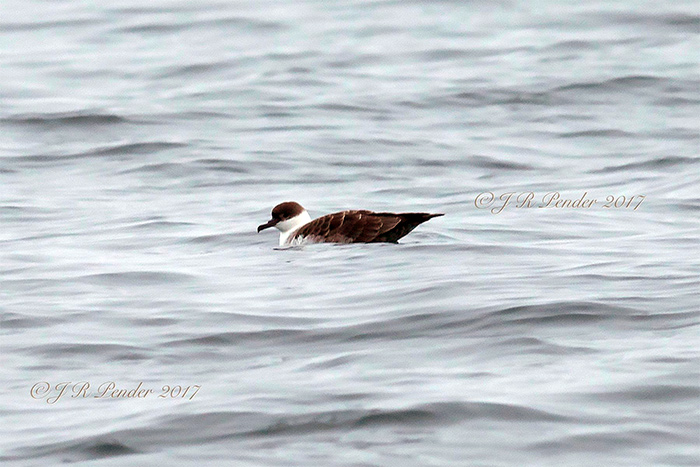
A lone Great Shearwater flew past Cape Cornwall on the last day of June and a further five off Porthgwarra and single off Scilly, all on 3rd, were the week’s only “big shears” while Balearic Shearwaters edged up a little in number, 35 in all, from four counties, 17 of them off Portland Bill on 1st.
The PG seawatchers also logged a Long-tailed Skua on 3rd which was the second unseasonal bird this week, another flew north past the seawatching hide at Spurn (East Yorkshire) on 29th as did one of the week’s two or three Pomarine Skuas ~ the others followed on 30th at Whitburn (Co. Durham) and Seaton Sluice (Northumberland).
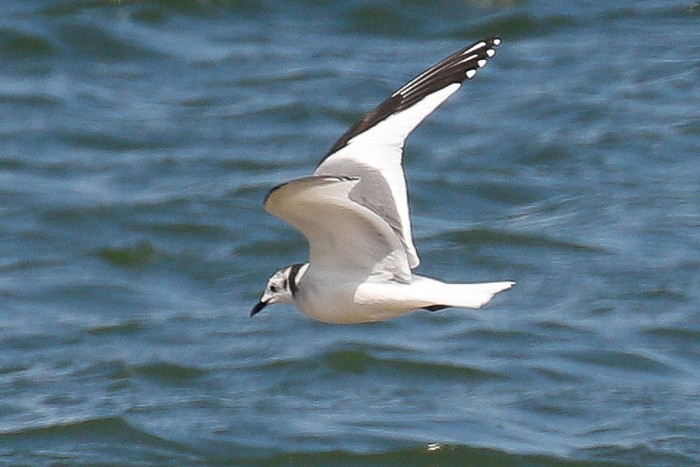
The only other seabird of note was last week’s first-summer Sabine’s Gull that has spent much of this week still in residence at Nosterfield Lakes (North Yorkshire) ~ a most unusual record to have one stay inland for so long.
Somerset’s adult male Little Bittern kicks off this section, he was still on site at Ham Wall RSPB through until at 4th.

Also within easy reach around this remarkable area was the Glossy Ibis, still in place to 4th along with at least three Cattle Egrets and at least 12 Great White Egrets.
Continuing to prove itself to be a complete show off was the American Night Heron that remained at Dingle Gardens, near Shrewsbury (Shropshire) through until 2nd.
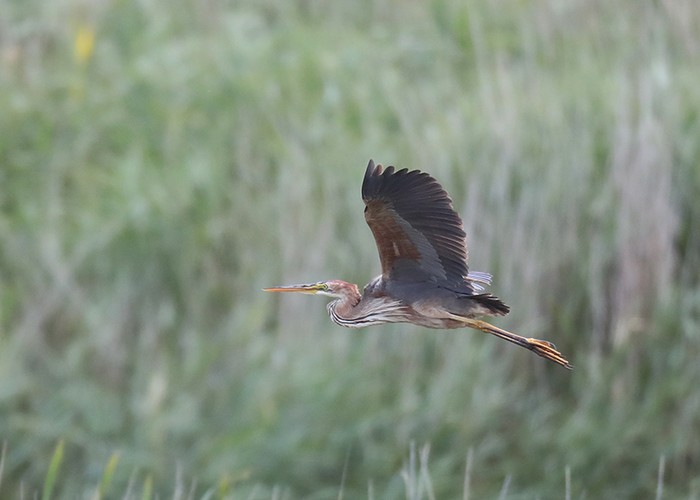
A little less exotic but still extremely welcome was the continuing presence of the first-summer Purple Heron at Minsmere RSPB (Suffolk), on site until 4th. The week’s second Purp arrived on Ireland’s east coast, funnily enough at the East Coast NR (Co. Wicklow), on 30th and showed to all-comers throughout the weekend and on to 4th as well.

Cheshire’s breeding pair of Cattle Egrets continued to nuture at least one youngster in the nest at Burton Mere Wetlands RSPB (Cheshire) and they, along with the previously mentioned trio on the Somerset Levels were part of a midsummer tally of at least 19 birds across eight English, Welsh and Irish counties.
In southwestern England, a lone Cattle Egret remained at Wadebridge (Cornwall) to 30th with five there on 3rd and two twos were in Devon, still at South Huish Marsh, near Thurlestone (Devon) to 1st and also along the pretty Otter Estuary, at Budleigh Salterton on 2nd. A lone bird commuted between Norfolk’s Potter Heigham Marshes and Hickling Broad between 30th-3rd while away from England, singles were at the WWT National Wetlands Centre (Carmarthenshire) on 28th, again at Tacumshin (Co. Wexford) to 29th and, back in Wales, at Llantwit Major (Glamorgan) on 4th.
In addition to Somerset’s dozen Great White Egrets a further 14 were recorded around the country including three at Burton Mere on 2nd, inland singles again at Rutland Water (Leicestershire) and Ouse Washes RSPB (Cambridgeshire) both on 30th and at Stotfold (Bedfordshire) on 1st, with further lone birds spread from the Isle of Wight and Hampshire on the south coast to Norfolk and Cleveland on the east coast through to North Wales on the western reaches of the country.
Yorkshire’s breeding Spoonbills were on show with their youngsters this week; three juveniles and four adults noted at Fairburn Ings RSPB (West Yorkshire) on 1st, a small though utterly significant part of a national tally in excess of 80 birds this week.

In Norfolk, Stiffkey Fen was the prime spot nationally with around 32 birds counted there on the afternoon of 3rd. There were another 10 or so at Potter Heigham Marshes, along with other sporadic ones, twos and threes along the rest of the county’s coast. Upwards of 20 were seen in the northeast of England, including five at Blacktoft Sands RSPB (East Yorkshire) on 2nd with groups of three noted in both Lincolnshire and Northumberland. Elsewhere, 10 birds were at Hollesley Marshes (Suffolk) on 4th, half a dozen birds were in and around Poole Harbour (Dorset) throughout the week, three were in Kent, twos were in Cheshire and also Carmarthenshire and one found a route to Willington GPS (Derbyshire) on 30th.
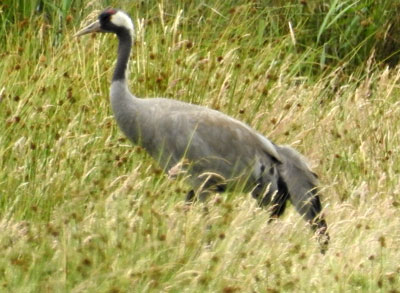
Not too many Common Cranes to mention ~ four flew over Buckenham Marshes RSPB (Norfolk) on 1st with another at Potter Heigham Marshes the same day. A further East Anglia single was at Minsmere RSPB (Suffolk) on 2nd and two were along the Ouse Washes (Cambridgeshire) on 3rd. Yorkshire was host to the other records this week; in the North, one was seen near Strensall on 28th and three flew over Anglers CP, in West Yorkshire, on 2nd.
Finally, a singing Corncrake was reported from the North Elmham area of Norfolk over the weekend, an interesting midsummer record and the second year in a row where random raspers have been noted around the county at a similar time of year.
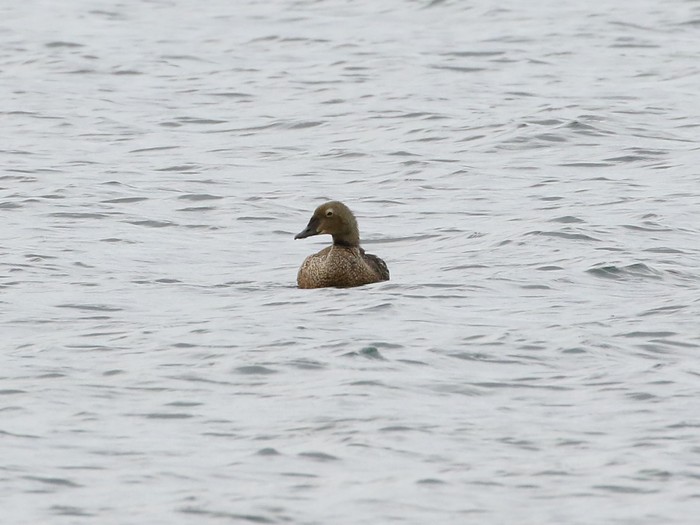
The popular first-summer female King Eider remained off the west Wales coast, at Aberaeron (Ceredigion) through until 29th before being relocated off Ynyslas on 4th. In amongst the throng of rare seaduck in Aberdeenshire, the drake King Eider lingered in resplendent fashion at Blackdog to 3rd.
In amongst the throng of seaducks off the Aberdeenshire coast and playing a fine supporting actor role to the White-winged star was the adult drake Surf Scoter at Murcar on 2nd. He was one of two drakes noted this week, the other was in Lunan Bay (Angus) on 30th-1st.
In full-on summering mode was the drake Ring-necked Duck which remained on Loch Finlaggan, Islay (Argyll & Bute) until at least 29th while the handsome drake Ferruginous Duck (that must surely be a wire-hopper) was again reported at Washington WWT (Co. Durham) on 1st (I think I may have to ignore him from now on…).
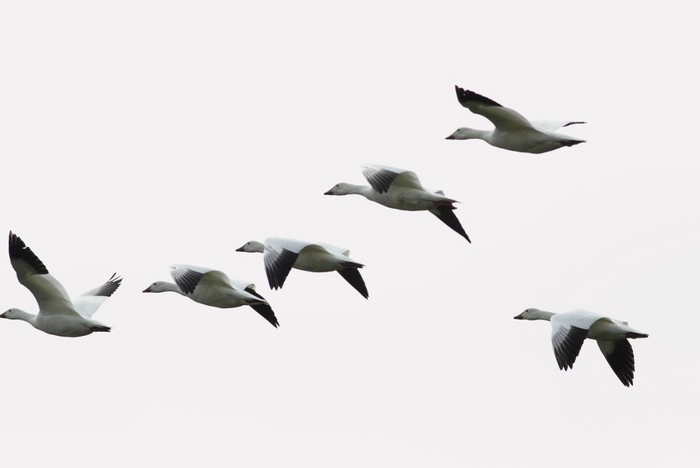
With such meagre pickings, the flock of six Snow Geese at Cahore Marsh (Co. Wexford) is worthy of mention, first seen on 28th and still present the next day ~ clearly this is a far from typical date for vagrancy (at first glance), but how many free-flying flocks are there in Ireland (a genuine question, I’ve no idea!). If they’re not Irish, could they be from England’s sizeable feral flocks? An interesting one…

Black-winged Stilt chicks were again the main focus of attention for many this week ~ in Norfolk, four birds (now the best part of almost four weeks old) remained at Potter Heigham Marshes until at least 3rd, while on the Ouse Washes RSPB (Cambridgeshire) at least one young Stilt was recorded on 30th. No other youngsters have been mentioned this week, the only other adult reported was again at Cliffe Pools RSPB (Kent) on 2nd.
New this week was the discovery of a Lesser Yellowlegs at Blithfield Reservoir (Staffordshire) on 29th ~ only the third or fourth county record, it follows on from an adult at the same site last August (Blithfield also hosted the first Staffordshire record in September 1979, the other was at Uttoxeter in May 2011).
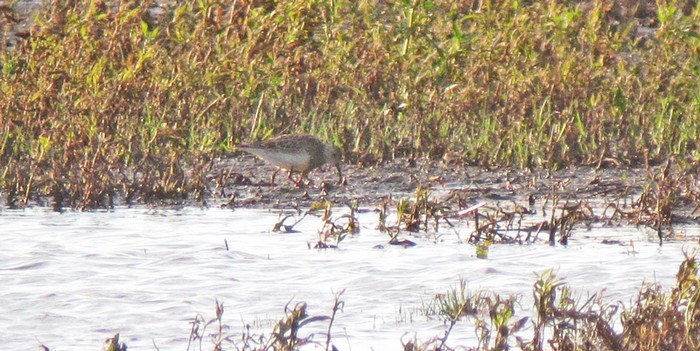
More fresh shorebird stock this week came along with a Pectoral Sandpiper that dropped in to Druridge Pools NR (Northumberland) from 2nd and there were also a couple of new Temminck’s Stints on the go too, seen at Ouse Washes RSPB (Cambridgeshire) on 30th and briefly at Nosterfield NR (North Yorkshire) on 2nd. A Dotterel was reported from Gullane (Lothian) on 1st but there was no sign subsequently.
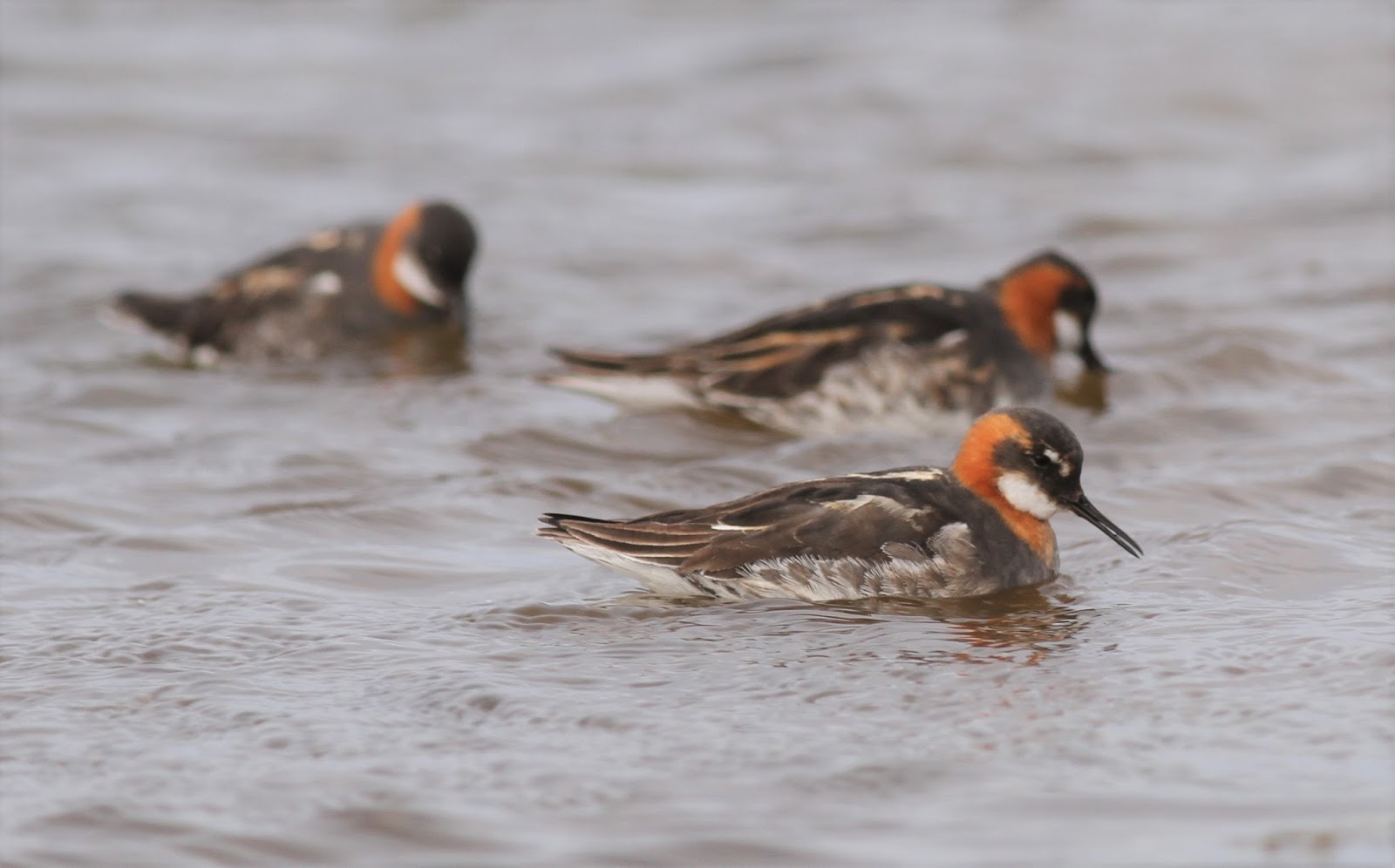
An exquisite petite flotilla of three Red-necked Phalaropes graced North Ronaldsay’s Gretchen Loch on 29th and again on 3rd. Two more dropped on the Shetland Mainland, at Pool of Virkie on 2nd.
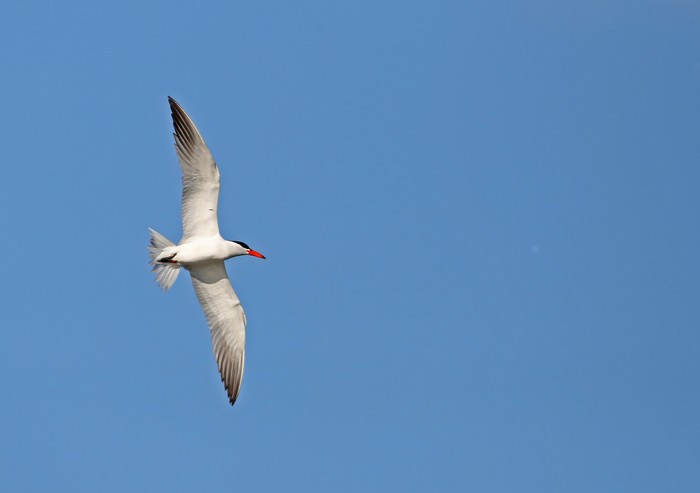
This has been a busy week for one particular Caspian Tern, taking in at least two well-spread counties (and countries) over just a few days. The red-ringed (and very popular) Welsh adult remained at WWT National Wetlands Centre, near Llanelli (Carmarthenshire) across 28th-29th and was surley the very same red-ringed adult (probably Swedish ringed) that spent July 1st at Summer Leys NR and then Clifford Hill GPs (Northamptonshire) with a brief visit to Chew Valley Lake (Somerset) on the evening of 2nd. Whether this was the same bird that snuck along the Welsh coast from Somerset was unknown, but the Llanelli bird was back on 3rd-4th, so it is entirely possible that it’s one bird for all three sites...
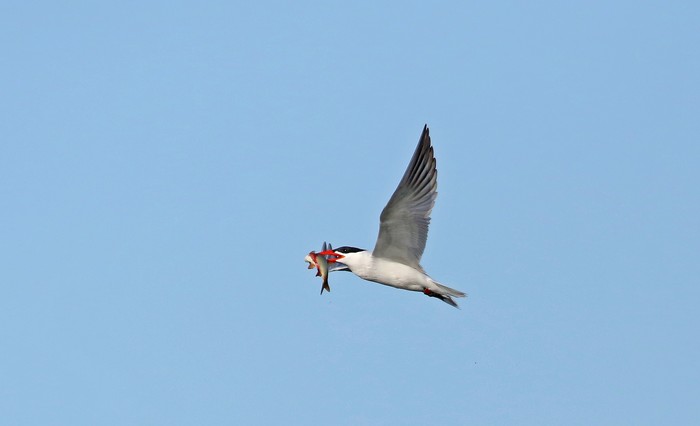
A rare bird in Northamptonshire, the BBRC files shows three acceptances of four birds, two at Pitsford in July 1967 and singles at Ditchford, Stanwick and Earls Barton GPs in August 1998 and Stanwick in July 2003. Another record, listed for Leicestershire, is regarded as a Northants bird by many in the county, that one was noted in June 1968. Caspian Tern remains a very rare bird in Somerset too, with four previous records (of five birds) on the county list; three one day singles were recorded in July 1977, August 1988 and April 1995 with last year’s twosome in May proving especially popular.
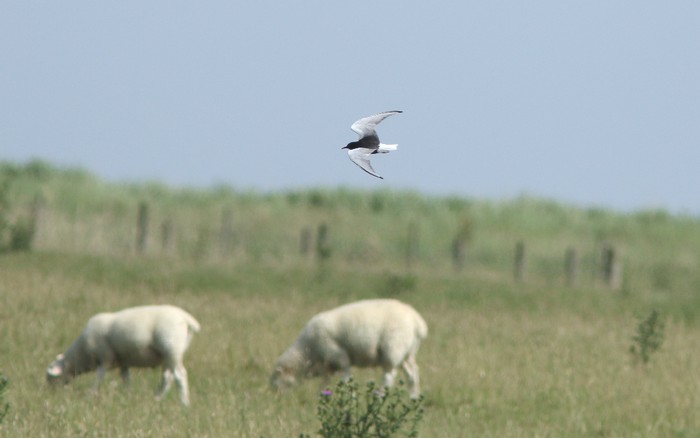
A fine adult White-winged Black Tern was found along the banks of the Humber at Kilnsea Wetlands (East Yorkshire) on 29th where it remained through until 4th (the first record for Spurn for a couple of years). July’s first day saw two further adults noted; one flew west past the north side of Cape Clear Island (Co. Cork) ~ the first in the county for five years ~ and in Northumberland, commuting between East Chevington NR and Druridge Pools NR before settling, late in the day, at Low-Newton-by-the-Sea where it lingered through until 4th ~ this being the first in the county since May 2014.
Over in Wexford, an adult Forster’s Tern was discovered at Tacumshin on 1st where it remained only until the early morning of 2nd ~ could this be the same adult that was last seen at Tacumshin in May 2013, a bird that has spent various amounts of summertime on site during the previous five years?

Six Glaucous Gulls included two youngsters at Lossiemouth (Moray) on 28th, two different singles in Kerry (a young bird at Ballylongford on 30th and the adult remained in Tralee to 2nd) with one at Longhoughton (Northumberland) on 1st and the week’s final offering on Orkney on 2nd. Three or four Iceland Gulls lingered, one or two were still on South Uist (Outer Hebrides) to 2nd, one was on Mull (Argyll & Bute) on 1st and the final one remained at Tarbet Ness (Highland) on 2nd.
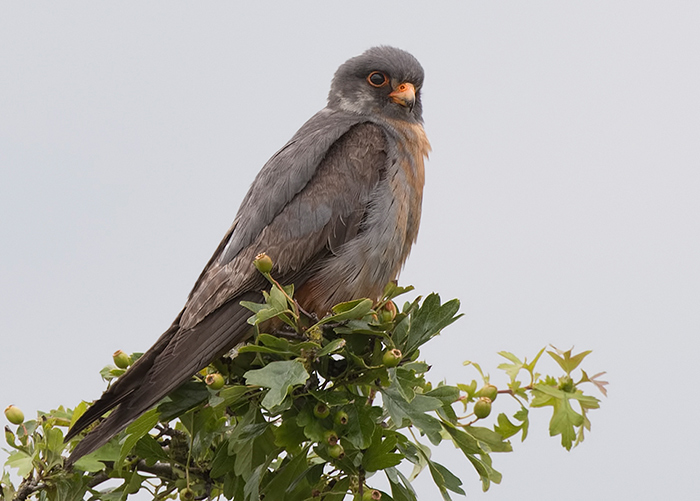
Following the report of a Red-footed Falcon at Sandwich Bay NR on 28th, Kent held on to a first-summer male at Grove Ferry NNR from 28th-2nd, the latter date seeing an adult female noted near Market Harborough (Leicestershire).
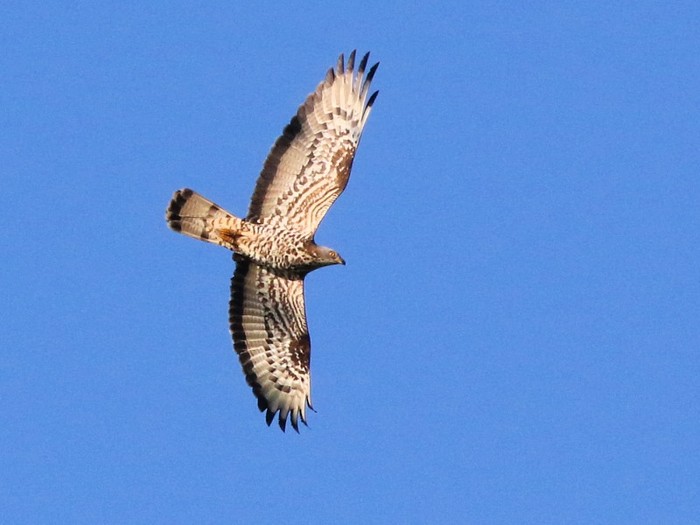
The excellent year for Honey Buzzards continued this week, showing no signs of any let-up just yet ~ up to 16 were recorded across the past seven days, with doubtless others not on the radar (for good reason…).

Two males and a female were being seen around the Wykeham Forest in North Yorkshire through the weekend and they’d been preceded by singles over the Blenheim Estate (Oxfordshire) on 29th and Dunoon (Argyll & Bute), Fen Drayton Lakes RSPB (Cambridgeshire) and Potter Heigham Marshes (Norfolk) on 30th with two birds in the north of the latter county, at Kelling Heath, also on 30th. A further half dozen followed over the weekend; on 1st loners were seen at Cottingham (East Yorkshire) and Gibraltar Point NNR (Lincolnshire) and on 2nd four individuals were well spread ~ a male was seen over Ibsley Meadows (Hampshire) and a female was at Sywell (Northamptonshire) while island birds were over Bardsey (Gwynedd) and roosting at Halligarth, Unst (Shetland). Another north Norfolk bird was seen near Holt on 3rd where there’s suddenly a whiff of something in the air around this part of the county. Last but not least, the single that headed across Handa Island SWT (Highland) on 4th.
The only Montagu’s Harrier away from sensitive breeding locations was reported over Dungeness (Kent) on 2nd while in south central Norfolk, an adult White-tailed Eagle must have been an almighty surprise as it headed west over Hingham on 1st.
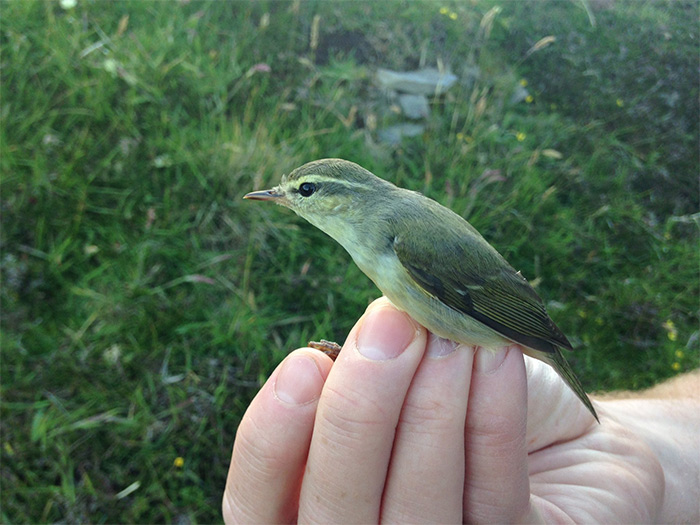
Shetland is where we begin the short and sweet round-up of passerines and we alight on the magnificent Fair Isle where a fascinating, rather vibrant looking wing-barred Phylloscopus warbler was trapped and ringed around the Observatory garden towards close of play on 4th. We've already has one teasing Greenish Warbler in the last month (the Portland Two-barred doppelgänger) and now we have another ~ the Fair Isle bird's bright tones, strong covert bar and overall vibe was certainly heading towards a Green Warbler feel (fitting in a week when the Unst bird of May 2016 has been accepted by the BBRC) but, as was pointed out on the FIBO Facebook page, there's considerable overlap and biometrics were inconclusive. I've a feeling we're going to hear a lot more on this one...
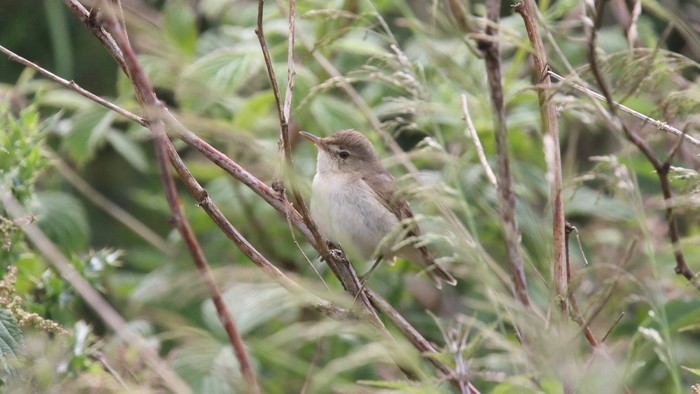
Next stop is Highland, where a singing male Blyth’s Reed Warbler was discovered near Aviemore, at Inverdruie on 3rd. before removal from the Rarities List at the end of 2014, there were just three other records for this chunky region of Scotland, two of them also being singing males (at Nigg Bay in June 2000 and at Kilcoy in May 2014) with the third record being a trapped first-winter near Inverness in October 2012.

Wexford’s singing male Marsh Warbler remained at Cahore Marsh throughout the week and a new songster was on Bressay (Shetland) at the start of the week. Back in Highland, the singing male Icterine Warbler was at Nigg until 1st while the East Anglian Savi’s Warblers continued to sing at Minsmere RSPB to 3rd when Norfolk’s Hickling Broad bird was heard again (the first time it has been mentioned for over a fortnight). Finally, the male Iberian Chiffchaff was still to be heard in song at Kelsall (Cheshire) on 28th, that being the first report since 21st.

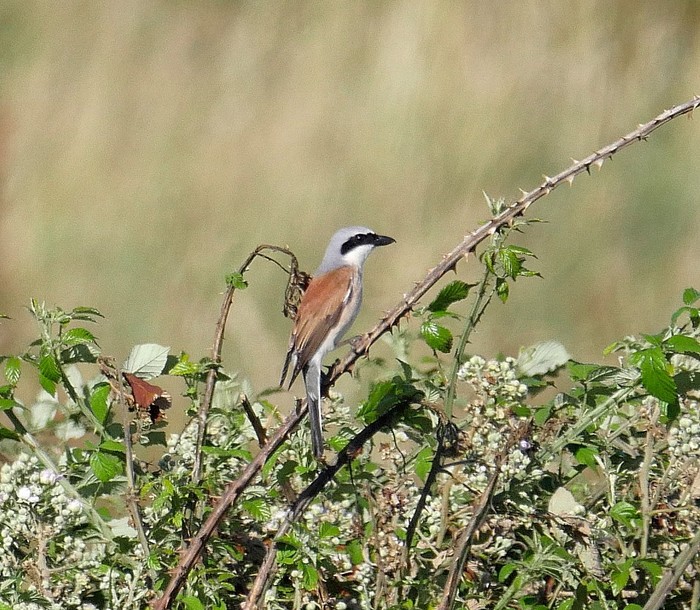
North Cornwall’s pretty coastal town of Boscastle hosted a male Woodchat Shrike from 1st-4th while the weekend saw a tiny handful of new male Red-backed Shrikes appear ~ the first was found at South Gare, Redcar (Cleveland) on 1st with the second at Burnham-on-Sea (Somerset) on 2nd (a third was reported in Hertfordshire, at Sandridge on 2nd but there was no sign when folk started looking for it). An unsexed bird was also reported from Tresta, Fetlar (Shetland) on 30th.
A late June Wryneck was a bit of a curio in west Cornwall on 29th, seen in gardens near Penzance and, also out of the mainstream was the report of a singing male Hoopoe at Eastnor (Herefordshire) on 2nd as was the Serin seen briefly on St. Mary’s (Scilly) on 4th.
Amongst the mounting excitement and entertainment that the Nottinghamshire Bee-eaters are causing, a single heard-only report came from South Yorkshire on 1st, one noted somewhere over Stainton whilst another loner was seen at Denge Marsh, Dungeness and then Kingsdown (Kent) on 4th.
We’re nearly done ~ on Barra, the adult Rose-coloured Starling was at Eoligarry through until at least 2nd and new was one on the Isle of Skye, at Broadford on 3rd. We wrap things up with four Common Rosefinch records; a first-summer male was still on Fair Isle through until 29th, brown birds were at Blackhall Rocks (Co. Durham) on 30th and near St. Margaret’s at Cliffe (Kent) on 1st while the male remained around Portland (Dorset) until 3rd.
There’s no quibbling about where we have to start the round-up of this week’s star performers across the Western Palearctic ~ Norway is calling as a scintillating male Oriental Plover was discovered on 29th out on the tiny island of Røst, in Røstlandet, Nordland.
Situated out in the Norwegian Sea, this extraordinarily beautiful and exceedingly rare Far Eastern shorebird instantly became not only the bird of the year for Norway but also for Scandinavia and, arguably, the whole of the recording region.
National and Western Pally listers would have been relieved to have a three-day stay to play with, the bird still in place on 1st and showing well in to the bargain. This becomes the first record for Norway and only the second for the Western Palearctic, the sole record to date was a one-day bird at Ilmajoki Alajoki, Finland in May 2003.
Another Far Eastern shorebird that has become more familiar within the Western Palearctic, though still exceedingly rare, is Great Knot and this week saw the appearance of an adult in Spain, at Doñana Beach, Huelva, Andalucia on 30th, just the second record for the country. Remarkably, the following day, this handsome and striking individual was relocated some 75 miles to the south-southwest, at Chipiona, Cádiz.

In a spring and summer that has seen a few vagrant Blue-cheeked Bee-eaters seen across the Western Palearctic, the most tantalising one to date came along on 2nd when Belgium scored the nation’s first record of this psychedelic dream, a migrating bird photographed in flight at Groot Schietveld, Brecht, in the far north of the country. If it has come that far, then a journey to the Dutch coast seems entirely possible and from there…next stop England’s south or east coast. Oh I how I wish…

After he/she’s two-day saunter up and down the east coast of England and Scotland, the Black-browed Albatross was back on the familiar German terrain of Sylt, in the Schleswig-Holstein region by 1st and was still there through until 4th. It won’t be long ‘til the wanderlust sets in again…
In northern France, the last day of review week saw the appearance of the colour-ringed male Elegant Tern on the beach at Oye-Plaige, Pas-de-Calais ~ he could probably see Kent from there…
We’re jumping around a bit this week and we’re back briefly to Norway where a drake Black Duck was found at Hagavagen, Røgaland on 28th ~ he couldn’t be from Highland could he? Down in Denmark, a Griffon Vulture raised more than an eyebrow or two when it was seen at Langeland on 4th while in Portugal, where a Cape Gull was at Quinta de Marim, Olhão on 30th.

Right at the extreme end of the Western Palearctic’s recording zone are the Cape Verde Islands and some belated news popped up this week, a juvenile Ascension Frigatebird was photographed at Curral Velho on June 25th, just the third record for the WP, the other two were, of course, both seen in Argyll & Bute (on July 9th 1953 and July 5th 2013). Still on Cape Verde, the day after the Frigatebird was seen, a Masked Booby was found and photographed by the same observer at Boa Vista ~ a -5th record for the islands and the 16th ever in the Western Palearctic.

There doesn’t appear to be anything too special on the horizon by way of rare-enducing weather bar a pulse of hot and humid air scooting in the next couple of days (and there’s certainly nothing for those hoping for a nibble at some early seawatch action for instance) but it looks fairly calm and settled and it remains a time to keep an open mind and embrace all sorts of options (as they discovered in Norway this week…).
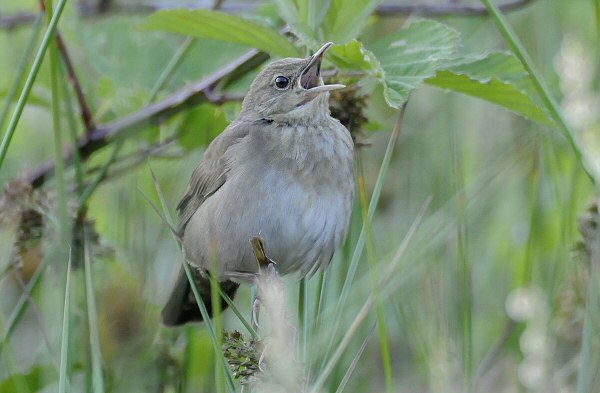
There are a few things that still feel as though they owe us a debut showing for the year ~ Roller and River Warbler are two of the more obvious options, both have appeared here in the seven day period that lies ahead and there’s nothing in the weather to say that they couldn’t make it anytime soon.
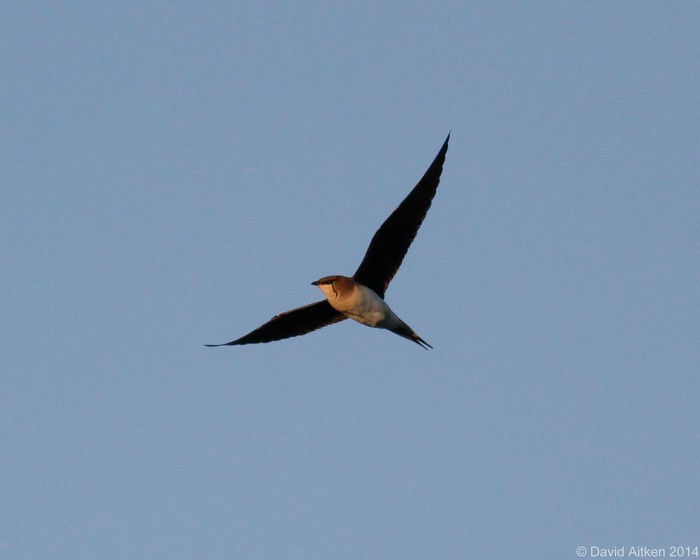
Another favoured punt is Black-winged Pratincole ~ July is a modest month for the species here, six records in all including two historic records from the week ahead; a briefish bird at Minsmere on July 5th 1985 and then came the appearance of a roaming bird that was eventually recorded in eight counties in the summer of July 2014, and it started off the July leg of the tour in Durham on the 5th. For those in and around East Anglia, it is worth noting that three of July’s half dozen Black-winged Pratincoles have been seen at Cley…
The irruptive nature of Two-barred Crossbill is always something to keep at the back of one’s mind as July comes along, the week ahead has seen five records and although it feels early to start trundling this particular species out and in to the mix, it is certainly one to consider for the next couple of months.
Spurn birders logged another fly through Pacific Swift on July 9th 2011 and with at least one at large right now, as with last week’s predictions, this is one species that wouldn’t be a huge surprise too see appearing again should it manoeuvre a route south this week .
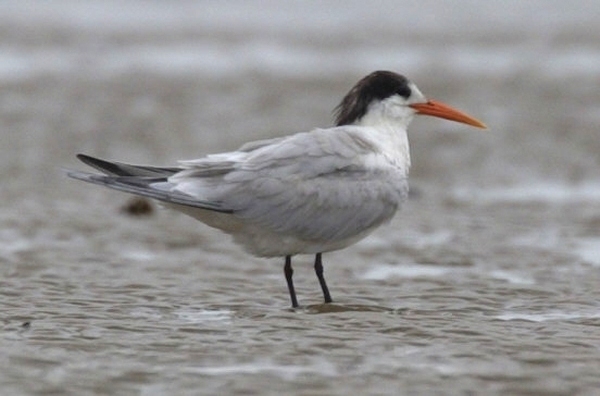
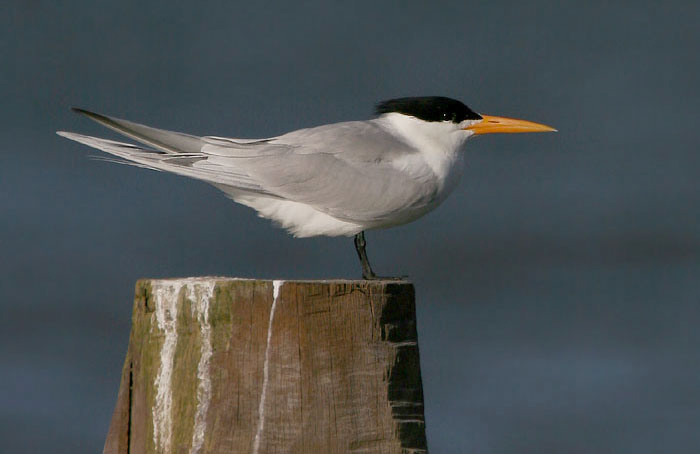
Midsummer has, on occasion, been dominated by rare terns and early July is no exception. Orange-billed beasties have been well to the fore of late and Elegant Tern is one that has managed a showing in the week that we head in to; Wexford’s Lady’s Island lake bird of 1999 popping up on July 8th ~ and given the colour-ringed male’s current location, another visit here isn’t out of the question, maybe Kent is next? Amongst the hullabaloo of the recent Hampshire, Sussex and Dorset Elegant the return to extreme rarity status of Lesser Crested Tern has almost been forgotten about; no accepted records now for 12 years which means a lot of new twitchers have an empty, un-inked box to gaze upon ~ three decades ago, Elsie contributed to a handful of extralimital records (as in away from Farnes) and then in the summer of 1993 came the Lesser Crested Tern amongst the tern colony on Norfolk’s Scolt Head Island, from July 8th.
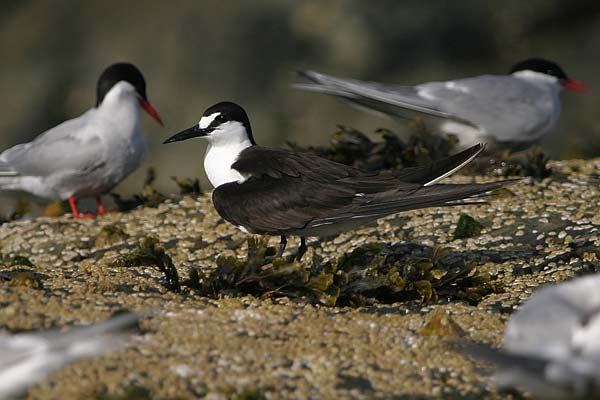
The “black and white” terns also have to remain in the back of the mind too ~ there’s a Sooty Tern still out there somewhere and history buffs will remember that the 9th of the month saw two singles appear within five years of each other; seen flying off Berry Head in Devon in 1979 (by renowned Dutch birder Rene Pop) and then at both Dungeness and Rye Harbour in 1984).
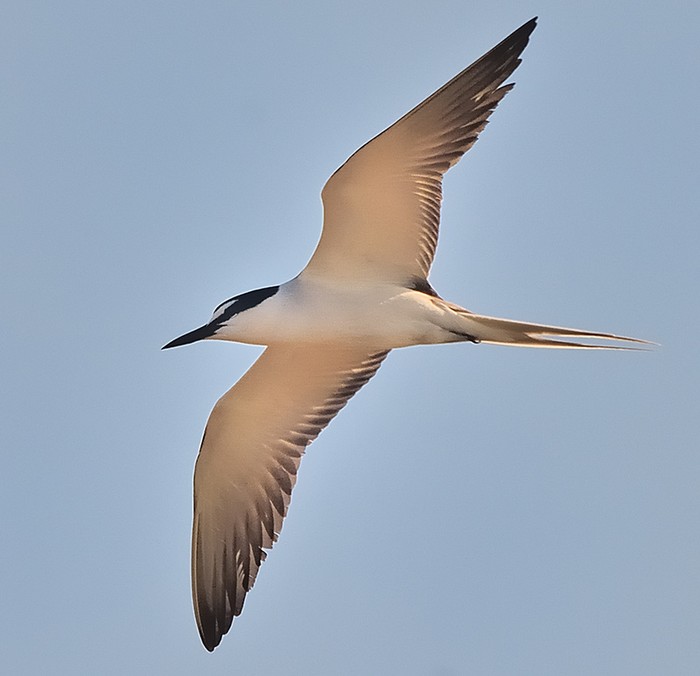
Bridled Tern too as some history with early July; two have been found on the 6th of the month, one was around Tresco and Crow Sound in 1991 and the Farnes bird trundled across to Cleveland in 2013. A further two have been noted on 11th; in 1984 (just a couple of days after the Sooty further to the east) a Bridled Tern was seen at Lodmoor and the second of two seen in 1988 was noted on Coquet Island.
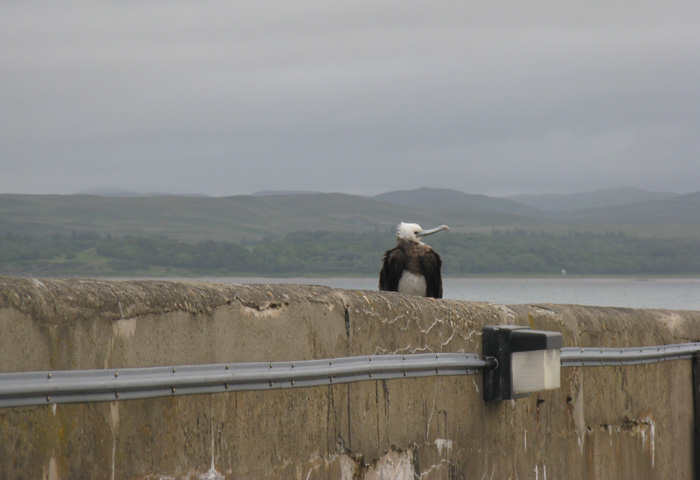
Staying in a pelagic frame of mind, we’re right slap bang in the middle of when our next Ascension Frigatebird could appear (see above), though the current pattern suggests that it’s Argyll & Bute in July 2073 when our third appears…
Two stand-out historic rarities from the waggy-tailed end of the 80’s that always catch the eye are the Hickling Eleonora’s Falcon of 1987 (a bird that took a fair old time to convince the BBRC that it really was the business) and the Cowden Blue-cheeked Bee-eater of 1989 ~ a particularly timely reminder given the Belgian bird’s proximity to the UK of a weekend bird that upped and left East Yorkshire as the rain stopped and I arrived…
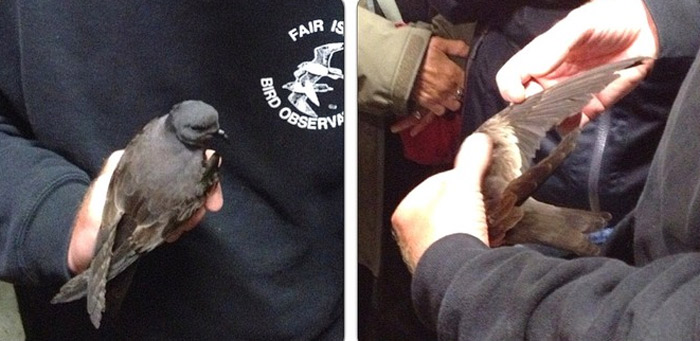
As much as I long for yet another bite at the Merops cherry (and we’re going for a punt on this, there’s surely going to be an appearance in the next two or three weeks) the final thought for this week rests on those who’ll spend their after-dark hours in the eerie inky blackness of the very early AM, accompanied by the other-worldly sounds of Storm Petrel tapes…it is rapidly approaching that Swinhoe’s Petrel time of year and there’s every reason to think that when you wake up one day this week, you’ll be greeted by a bleary-eyed mega alert marking the appearance (or re-appearance) of one of these somewhat enigmatic seabirds.
…but imagine the bedlam if that Oriental Plover suddenly dropped south from Norway…it isn’t hard to picture it on along the side of the Pool of Virkie…
Mark Golley
05 July 2017
Share this story