England opens evidence review of gamebird shooting
Wildlife impacts, animal welfare and crime are among the issues under examination as conservationists renew calls for shoot licensing.
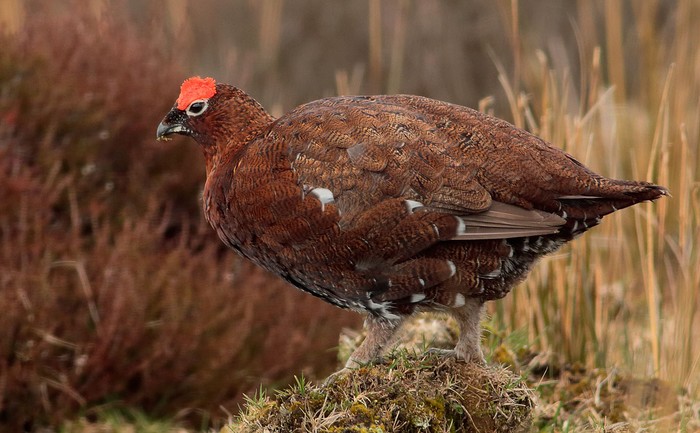
Defra is gathering evidence on the effects of rearing, releasing and shooting gamebirds in England, opening a policy review that conservation organisations hope will lead to licensing. The exercise covers wildlife and protected sites, animal welfare, disease, natural resources and wildlife crime.
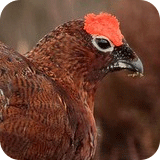
The department is examining the large-scale release of Pheasants, Red-legged Partridges and Mallards as well as management associated with Red Grouse shooting. Raptor Persecution UK says the activities covered involve about 60 million released birds, although the call is intended to assess a range of evidence rather than begin from a fixed conclusion.
The RSPB welcomed the move on 8 October and presented it as a possible first step towards licensing gamebird shoots in England. That is the charity's policy position, not a commitment already made by government. The evidence stage closes on 1 November and Defra has not announced the outcome it will prefer.
Birds of prey are central to the debate because illegal killing and nest disturbance have repeatedly been linked to land managed for game shooting. The RSPB says England could support roughly 323-340 breeding pairs of Hen Harrier, but recorded only 39 estimated breeding attempts in 2025.
The national picture is complicated. Hen Harriers have increased from the two pairs found in England in 2013, yet remain far below the RSPB's estimate of potential capacity. Weather, prey, habitat and management affect annual breeding, while confirmed persecution and the disappearance of satellite-tagged birds remain serious constraints.
Its purpose is to collect evidence - rather than opinions - on the impacts of the gamebird shooting industry.
Dr Ruth Tingay, Raptor Persecution UK
The RSPB argues that a licensing system would allow responsible shoots to continue but enable regulators to suspend operations where offences were proved. Scotland introduced licensing for grouse-moor management through legislation passed in 2024, providing a nearby model, though English law and the scope of any scheme could differ.
Dr Ruth Tingay has stressed that submissions need usable information. Personal experience can be relevant, but a call for evidence is different from a petition or opinion poll: respondents should explain what happened, where information came from and whether records, photographs, reports or published research support it.
Defra is also considering impacts beyond raptors. Releasing large numbers of non-native gamebirds may affect vegetation, invertebrates, predators and disease dynamics, while shooting and associated land management can bring both habitat work and environmental costs. Welfare questions include rearing, transport, release and the fate of wounded birds.
The RSPB says a later public consultation should allow wider views once evidence has been assessed. For now, the government is asking specialists, land managers, organisations and people with direct experience to contribute material that can be examined.
No new regulation follows automatically from the review. Its immediate significance is that gamebird shooting is being considered as a connected system - from rearing and release to habitat management, shooting, welfare and enforcement - rather than through isolated incidents alone.
9 Oct 2026
Get Breaking Birdnews First
Get all the latest breaking bird news as it happens, download BirdAlertPRO for a 30-day free trial. No payment details required and get exclusive first-time subscriber offers.