RBA Round-up: 11 - 17 Sept
Westerlies at this time of year tend to be all or nothing. They certainly slam the door in the face of the vast majority of migrants, common, scarce and downright rare that might be heading off course in our direction. That said, they do crack the door open for the possibility of something really out of the ordinary from North America, and the very best of those birds can be among the most highly prized of vagrants. The signs were looking good as the week just gone got under way, with plenty of Buff-breasted and Baird’s Sandpipers knocking at the door. And then an American warbler kicked the door off its hinges…
While the British media weren’t really covering the visit to Ireland of a certain American this past week in anything more than the most cursory of ways, the Irish couldn’t have failed to know they had a visitor touching down on their shores. And they really rolled out the red carpet for him, from pithy slogans painted in vast letters on the flight path to Shannon Airport, to inflatable effigies held aloft by protestors.
Maybe this is the way ahead for vagrant birds in future. Maybe we need to make more of an effort upon their arrival, rather than getting our breaking mega news on our phones, dashing to see said bird, taking a few photos and some video, maybe sharing with our mates via WhatsApp, posting for the likes on our socials… perhaps more of a fuss is in order. Vast slogans, marches on the streets, that sort of thing. Then again, the arrival of the likes of a Blackburnian Warbler is significantly less controversial than that of the current US president.
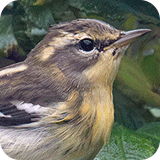
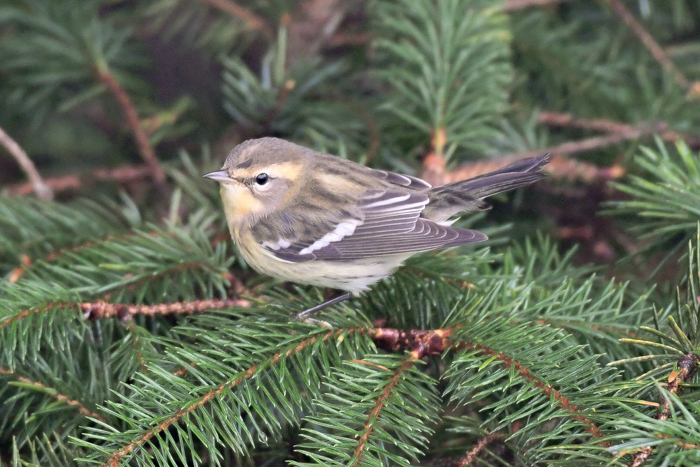
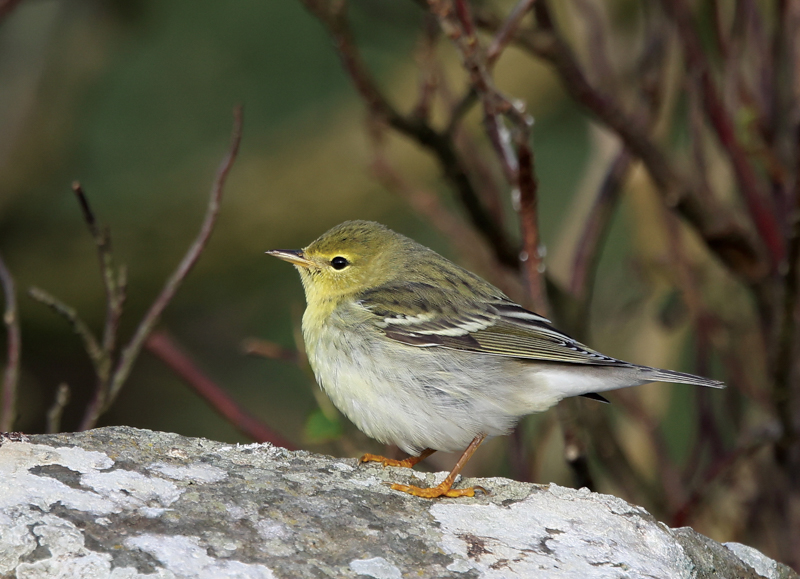
Strange times we live in, huh. And so to Ireland this week, where the arrival of a Blackburnian Warbler on Dursey (Co.Cork) on 13th was mercifully less controversial than that of the US president.
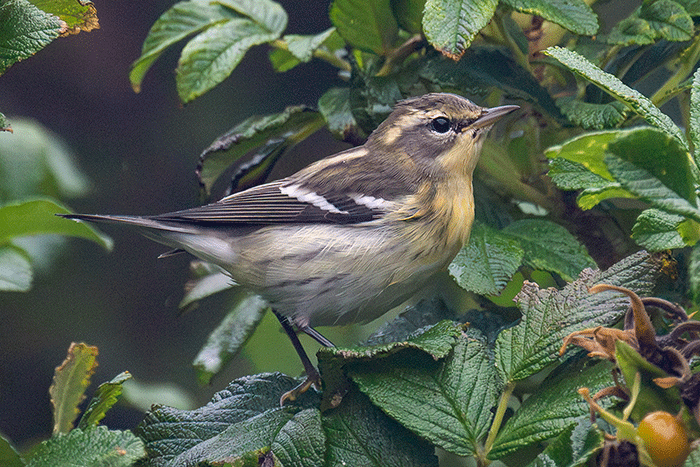
The past few years have kind to Britain where the once mythical Blackburnian Warbler is concerned. The well-twitched bird that settled on Bryher (Scilly) on 13th-28th October 2022 was the unblocker for generations of birders who could only view the record of the one-day bird on Fair Isle (Shetland) in 1988 with eyes flushed green with envy. And even Shetland birders and visitors got another bite at the cherry in 2023 with another one-day bird. But Ireland, not so much.
That said, as recently as 2023 there was one to be seen on Skellig Michael (Co.Kerry), albeit it hardly gave itself up for the masses, being seen all too fleetingly on 20th September.
The Irish were thus badly overdue a readily twitchable example, so one found early on Sunday 13th on Dursey at least gave those interested in twitching it a fighting chance of doing so that day. Better yet, it stuck around, showing well at times in Scott’s Garden until 17th. For the Irish, there’d not been a decades-long wait to scratch the itch after all.
And to put a cherry on the cake, and reinforce just how good Ireland can be, particularly when there’s focused observer effort in propitious places, the Blackburnian Warbler was joined in Scott’s Garden on 15th by a Swainson’s Thrush. Suddenly Dursey was going a bit Corvo.
A final thought. Heaven help us if Trump notices Cardellina canadensis currently goes by the vernacular name of Canada Warbler. He’ll be renaming that one faster than the American Ornithological Society can purge their vernacular bird names of the sins of the past. America Warbler? No thank you.
Britain’s first confirmed Short-billed Dowitcher wasn’t so very long ago – a bird found on the cusp of the present century at Rosehearty (Aberdeenshire) on 11th September 1999, this was to prove to be a most obliging of British firsts, remaining at Rosehearty until 24th September before decamping a little way south into Cleveland, where it settled in the Greenabella Marsh and Greatham Creek area from 29th September – 30th October.
Thereafter, a small flurry of records – a bird in Dorset at Lodmoor RSPB on 3rd September – 6th October 2012; another in 2012 on Scilly on Tresco on 9th-21st September; and one the following year on North Ronaldsay (Orkney) on 17th November 2013 – 10th January 2014. All of them juvenile / first-winter individuals…
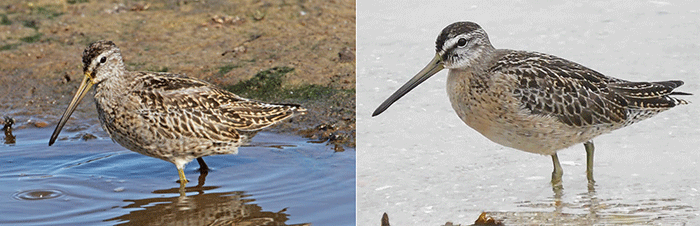
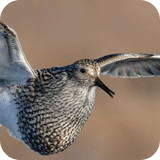
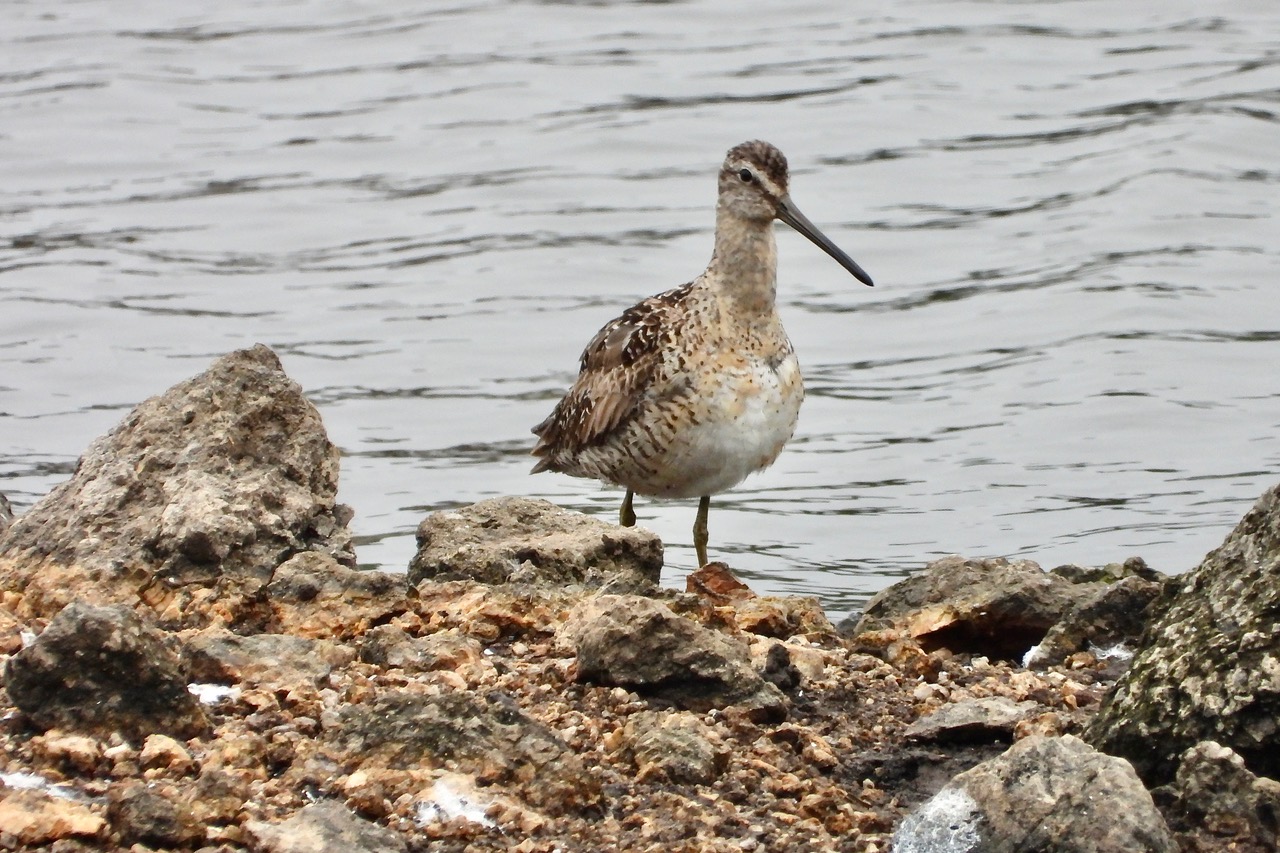
And after that, nothing further. Long-billed Dowitcher remains our default dowitcher, an annual species usually found in some numbers – the British list currently holds over 300 accepted individuals to the end of 2024. Short-billed is the real prize here. And so it’s perhaps fitting that during a fortnight now of ongoing Nearctic wader magic in these parts we should be graced with another – and, making a change, an adult at that. This being the bird found on 14th at Drift Reservoir (Cornwall), where it showed well for a matter of a couple of brief hours before being flushed by a Peregrine in the late afternoon - it headed high east, and wasn’t seen again.
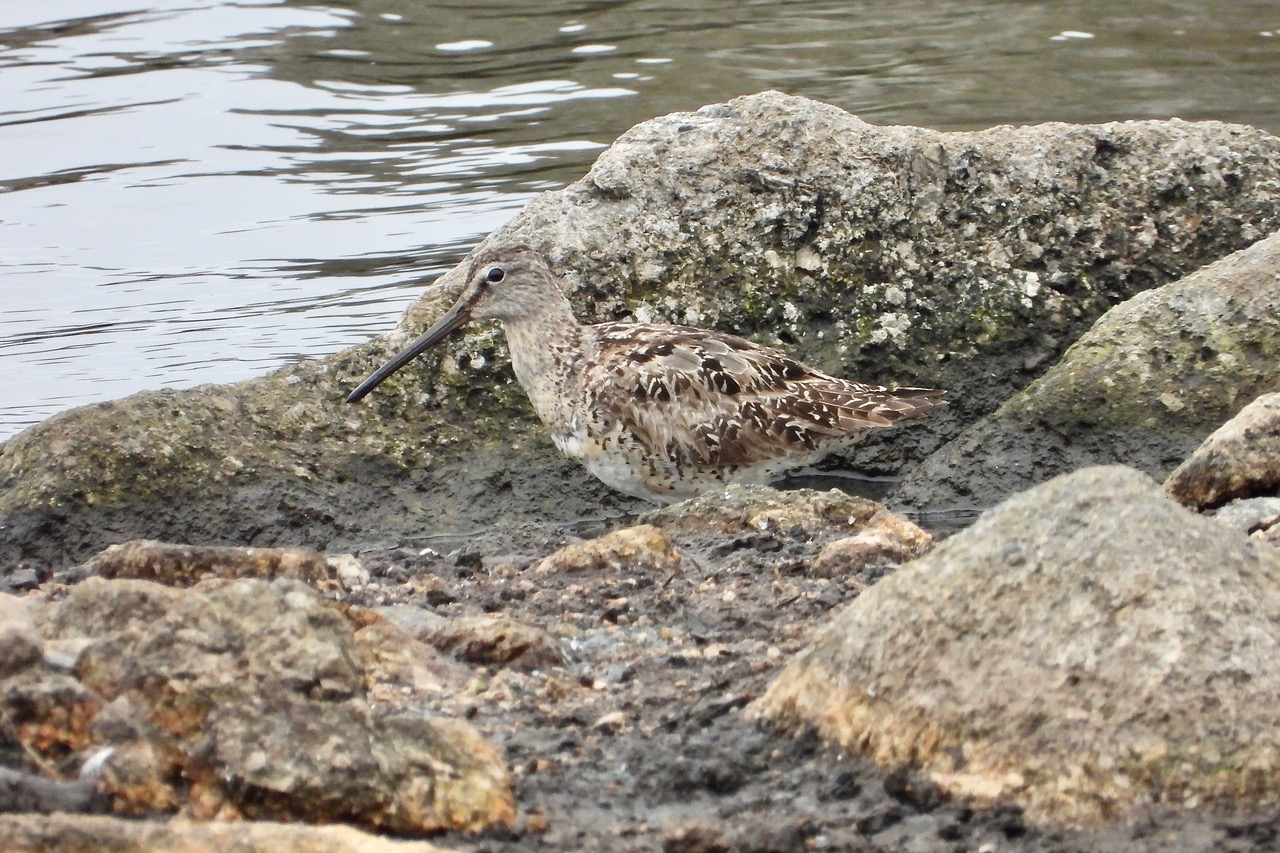
Looking at Britain’s past records of Short-billed Dowitcher we might draw some succour – all of them have been, to some extent or another, long-staying birds. Provided this week’s first for Cornwall hasn’t been consumed by a peckish Peregrine, there must be a fair chance of it still being somewhere in the southwest. This may yet prove to be one of the autumn’s bigger twitches should it be relocated.
The pace eased after several weeks of intense seabird action in recent days, as we might anticipate at this juncture in the year.
The volume of shearwaters alone spoke volumes. Around 300 Cory’s Shearwater and 350 Great Shearwater were logged regionwide during the week, with no sites registering any big counts among that denuded total. Balearic Shearwater were also a shadow of their former selves, with some 150 birds noted across the region.
A probable Barolo Shearwater was seen on 17th off Leasowe Gunsite (Cheshire & Wirral).
For a second consecutive week, Dumfries & Galloway registered a Fea’s Petrel sp, this time a bird being seen heading southwest past Corsewall Point on 11th.
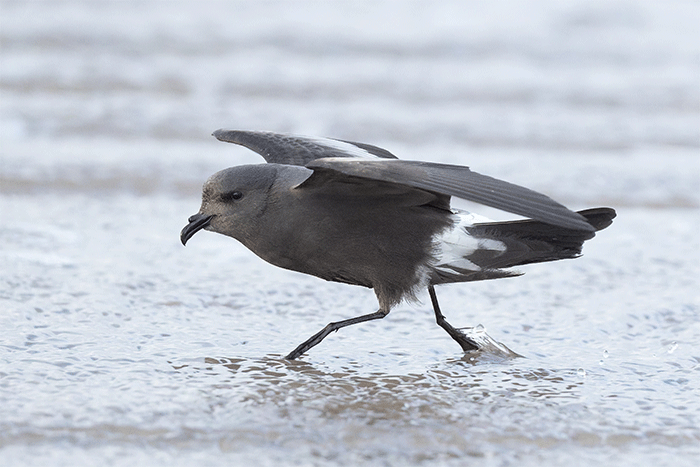
Numbers of Wilson’s Petrel fell again during the week, with just 24 birds recorded – the best of these being half a dozen seen west of the Aran Islands (Co.Galway) on 11th.
Numbers of Leach’s Petrel were much healthier, albeit down on the preceding week – over 300 birds were logged during the week, with a peak count coming from the irrepressible Bridges of Ross (Co.Clare), where 121 were seen on 15th.
Once again Kent registered a Brown Booby sighting, this being a bird that spent a little while offshore there around fishing boats on 12th. Belated news followed this, with a bird reported heading south off Minsmere (Suffolk) on 11th.
A superb afternoon seawatch didn't have a great deal of birds but it did have excellent quality - the star being a first for Dungeness in the form of an adult Brown Booby! Other goodies included a close juvenile Long-tailed Skua, 15 Black Tern and three Little Gull. #kentbirding pic.twitter.com/nx0pd1Ty0m
— Dungeness Bird Observatory (@DungenessBO) September 12, 2026
That brings us to skuas, which rather like shearwaters were erring towards the quieter end of the spectrum – around 50 Pomarine Skua and 45 Long-tailed Skua were recorded as a whole across the region during the week.
Our seabirds this week wrap up with an adult Pacific Diver seen off Unst (Shetland) on 13th.
Suffolk continued to supply Black Stork sightings this past week, with a bird seen on 12th at Alderton and Iken, on 13th at Ramsholt and Snape Maltings, and on 16th at Orford Ness.
A Purple Heron was still to be seen at Ham Wall RSPB (Somerset) on 13th.
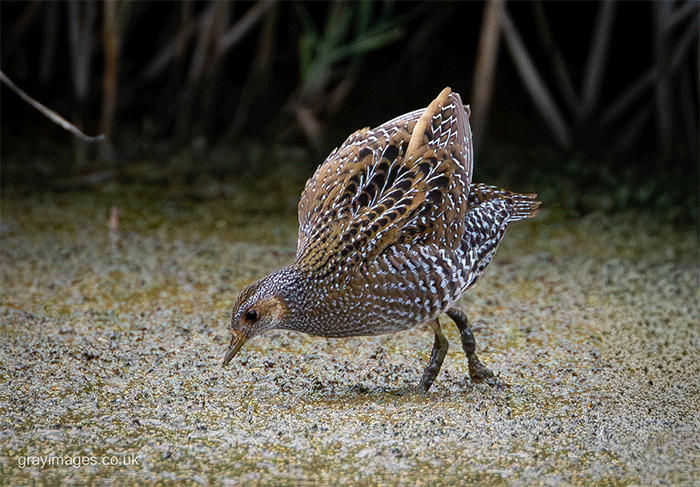
Both recent Spotted Crake remained at Titchwell RSPB (Norfolk) until 15th,with one still there on 16th-17th; the Tresco (Scilly) bird lingered on there until 17th; and another was seen at Ladywalk NR (Warwickshire) on 14th.
There was a little glimmer of change this week among the quakers, with a handful more birds than of late reported. Starting once more with seaduck, the regular Surf Scoter was again reported off Musselburgh (Lothian) on 11th, while further birds were seen from St Cyrus (Aberdeenshire) on 11th, off Lewis (Western Isles) on 14th-15th, and passing Troon and at Greenan (Ayrshire) on 17th.
The drake White-winged Scoter was again seen from Musselburgh (Lothian) on 13th.
King Eider again cropped up on Loch Fleet (Highland & Caithness) on 12th, and in the waters off Lerwick (Shetland) on 13th and 17th, and in Hascosay Sound (Shetland) on 17th.
A drake Lesser Scaup was found on 14th at St Aidan’s RSPB (West Yorkshire).
Numbers of Ring-necked Duck rose fourfold on recent weeks, with the Abberton Reservoir (Essex) bird still present on 12th-17th joined on 15th by sightings at Bodenham Lake (Herefordshire) and, in Ireland, at Lough Beg (Co.Derry) and Inch Island Lake (Co.Donegal), the latter individual still present on 16th-17th.
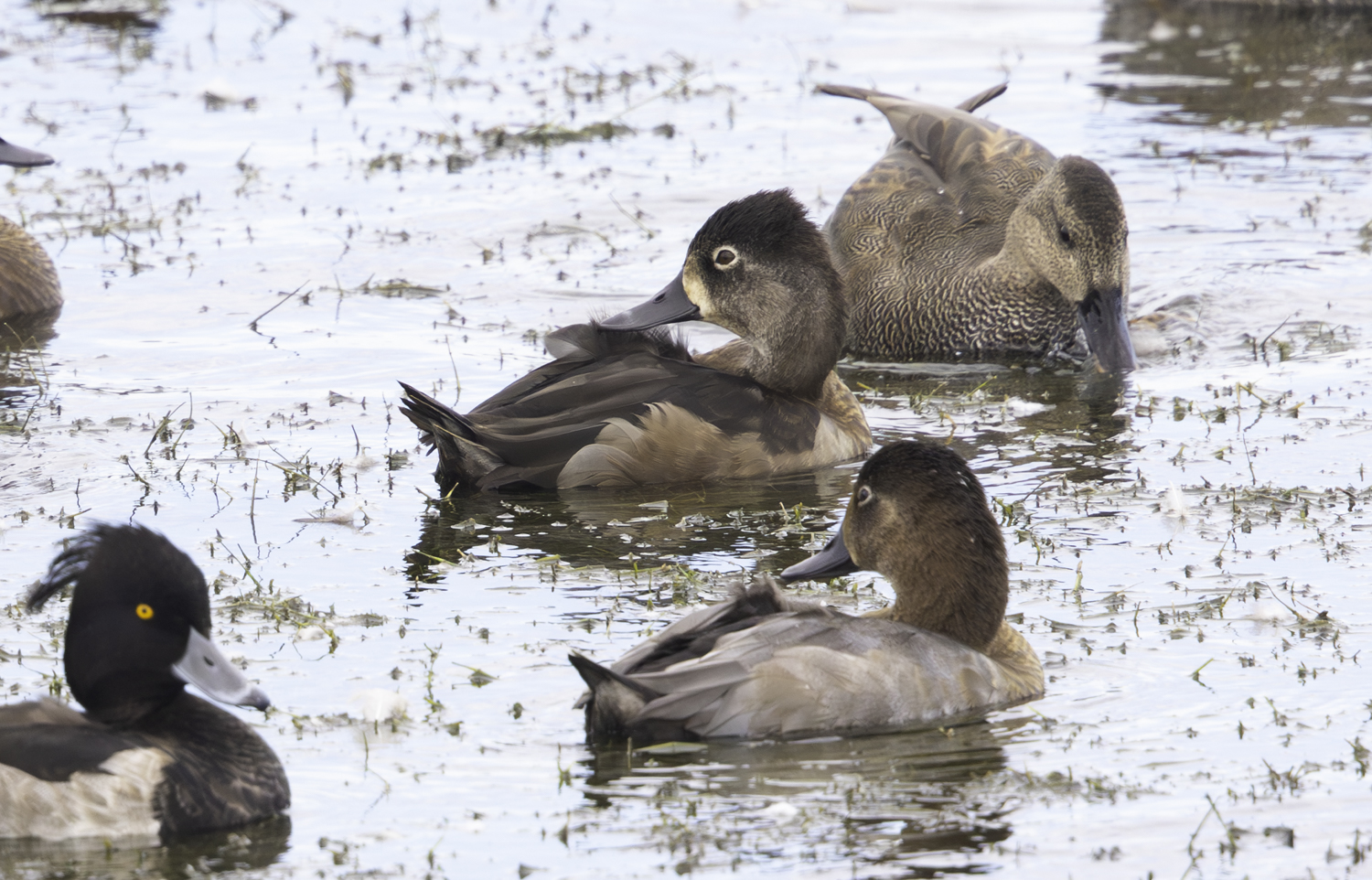
Two Ferruginous Duck were seen in Oxfordshire at Dix Pit on 12th (at least one of which remained until 17th) with the recent Stanford Reservoir (Northamptonshire / Leicestershire) bird still also present on 12th-13th. A drake dropped in to Rollesby Broad (Norfolk) on 16th for a short while.
An American Wigeon was found on 17th at Inch Island Lake (Co.Donegal).
Inevitably, the Hooded Merganser remained in Suffolk at Alton Water on 12th.
Our weekly waders combined quality, as we’ve already seen in the headlines, with quantity. More of which anon… firstly, we have to record that the adult male Hudsonian Godwit wat Cattawade (Suffolk) was last seen there on 11th. It seems like it’s finally moved on...
Not so the Solitary Sandpiper on Scilly, which remained wedded to Tresco on 11th-15th.
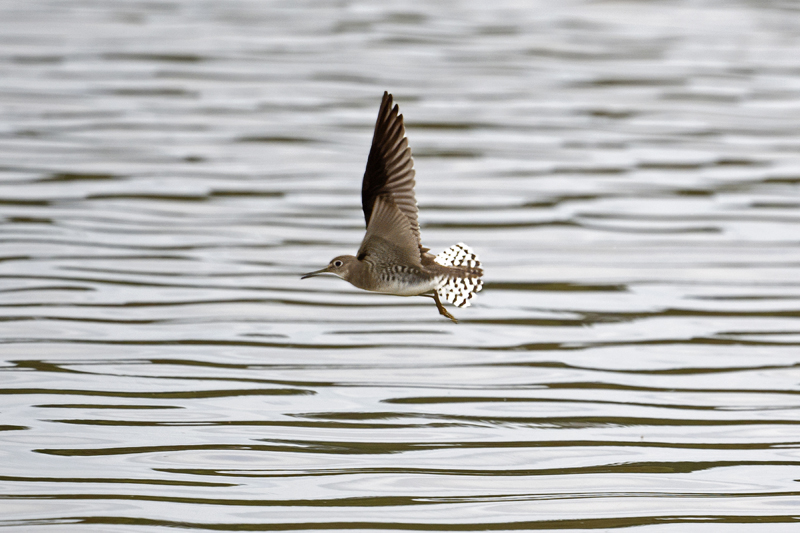
The week fairly belonged to Buff-breasted Sandpiper, with ever more birds logged over the course of it – around 50 were seen, with several sites enjoying more than one bird – best of the latter were five present at Loop Head (Co.Clare) on 12th, closely followed by quartets seen passing Porth Joke (Cornwall) on 12th, and on St Mary’s (Scilly) on 14th.
Pectoral Sandpiper were none too shabby either, with around 50 of their kind also seen this week – best of those were the quartet still to be found at Siblyback Lake (Cornwall) on 11th-15th.
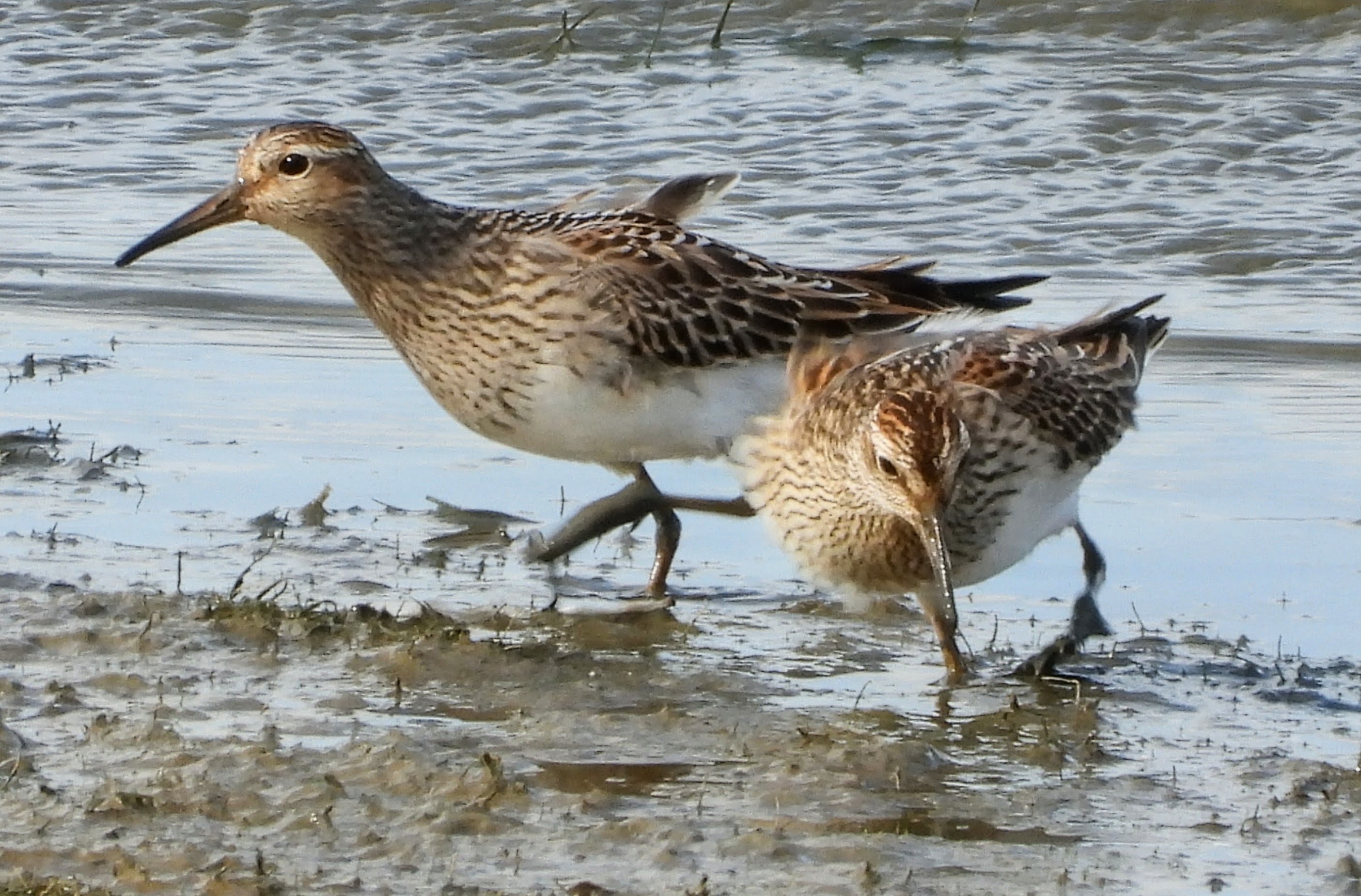
Numbers of Baird’s Sandpiper rose sharply with some 25 birds in all noted across Britain and Ireland during the week – they included in their number a trio at Ballycotton (Co.Cork) on 13th, and two at Ballynamona Strand (Co.Cork) on 11th-15th.
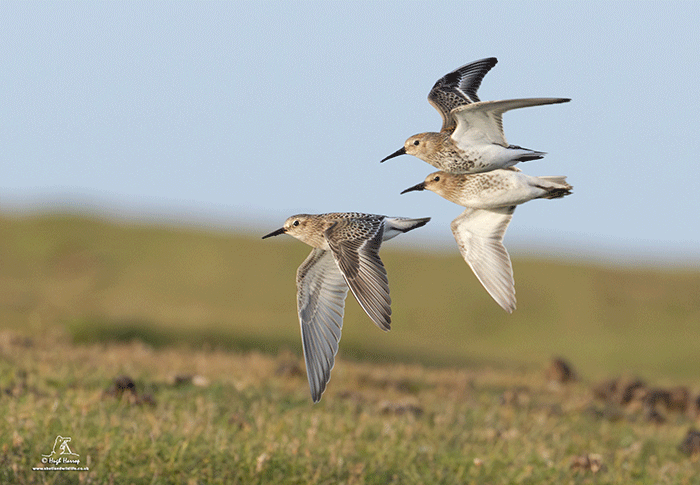
A couple of Semipalmated Sandpiper were seen among this largesse of western waders – one at Blennerville (Co.Kerry) still on 11th-16th, and another lingering at Blanket Nook (Co.Donegal) on 15th-17th.
A Temminck’s Stint was seen at Seaforth LWT (Lancashire & North Merseyside) on 13th-17th.
Up on North Ronaldsay (Orkney), the Long-billed Dowitcher was still to be seen on 12th-16th.
The week proved to be a busy one for American Golden Plover, with North Ronaldsay’s recent duo still present on there on 12th-14th, and at least one still present on 16th; and some 10 more singletons seen elsewhere – on 11th on Unst (Shetland); on 13th at Jury’s Gap (East Sussex), on South Uist (Western Isles), and on Skomer (Pembrokeshire), one being seen again on South Uist on 17th also; on 14th-17th at Inch Island Lake (Co.Donegal); on 14th-15th on Tiree (Argyll & Bute); on 15th on Sanday (Orkney); on 15th-17th at Myroe Levels (Co.Derry); and on 16th passing over Whitegate (Co.Cork).
A Dotterel was present at Sandwich Bay (Kent) on 16th.
Out of nowhere suddenly came Lesser Yellowlegs - one seen initially in Somerset at Steart WWT on 12th ended up at Chew Valley Lake on 12th-16th; one was present at Dawlish Warren NNR (Devon) on 13th; and another on the Hayle Estuary (Cornwall) on 14th. Away from the English southwest, another was found on 16th at Saltholme RSPB (Cleveland) and on 17th at Dorman’s Pool and Cowpen Marsh, and still further birds at Rutland Water (Leicestershire) and on Lewis (Western Isles).

A handful of Red-necked Phalarope were once more recorded during the week – these being birds at were birds seen at West Rise Marsh (East Sussex) still on 11th-13th, and at Dungeness RSPB (Kent) still on 11th-15th; and new faces at Blacktoft Sands RSPB (East Yorkshire) on 13th, Holkham Freshmarsh (Norfolk) on 13th-17th, Ogmore-by-Sea (Glamorgan) on 15th, Blennerville (Co.Kerry) on 16th-17th, and off Pendeen (Cornwall) on 17th.
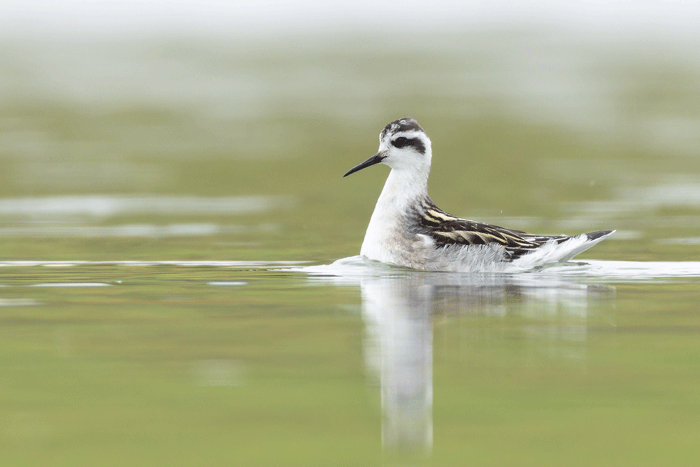
Numbers of Grey Phalarope held firm, with around 250 birds seen in Britain and Ireland as a whole, and a peak count of 110 recorded at Bridges of Ross (Co.Clare) on 15th.
Best of the bunch, and a fitting final flourish for the weekly waders given their American flavour, was a Wilson’s Phalarope found on 16th-17th in Aberdeenshire at Meikle Loch.
For once, numbers of Sabine’s Gull failed to reflect the abundance or lack thereof of Grey Phalarope this week – a more modest overall British and Irish tally of some 85 birds was made lately, with a dozen off Pendeen (Cornwall) on 15th notable in their number.
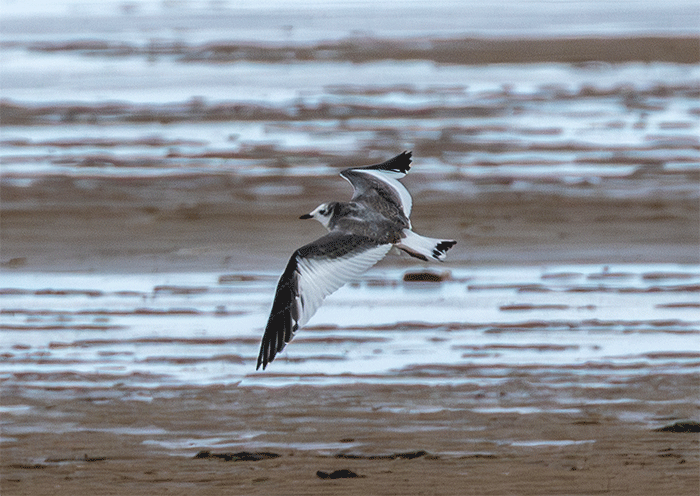
An adult Bonaparte’s Gull was seen at Black Pill (Glamorgan) on 11th.
A second-winter Ring-billed Gull was to be seen at Owenahincha (Co.Cork) on 13th-14th, and another again at Barnaderg Bay (Co.Galway) on 15th. On 17th a second-winter was seen in Co.Galway at Kilkieran.
Our only Glaucous Gull this week was that still to be found on Orkney Mainland at Stenness on 12th and 16th-17th. In Co.Louth the recent Kumlien’s Gull remained at Port Oriel on 11th-15th.
Up in Shetland the surinamensis American Black Tern remained faithful to Loch of Tingwall on Mainland on 11th-16th.
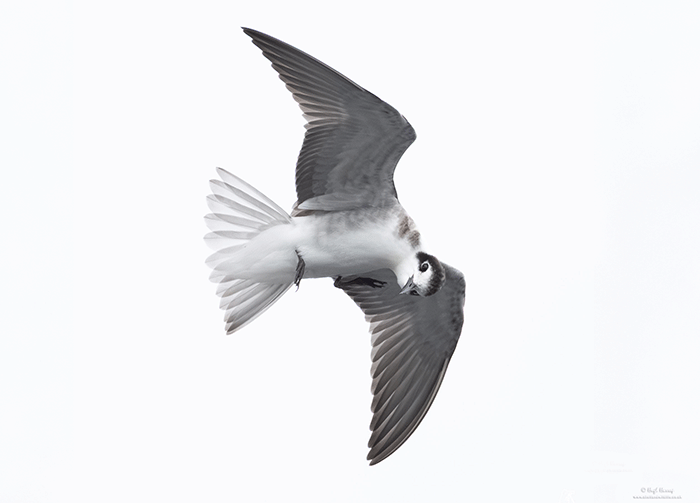
Finally, down in Kent a White-winged Black Tern was again seen at Dungeness on 14th.
At least one juvenile Pallid Harrier continued to hang around Shetland’s South Mainland on 11th-14th in the Loch of Brow and Hillwell wider area. Away from there, a Montagu’s / Pallid Harrier seen in East Sussex at Beachy Head on 11th and Steep Down on 13th may well have accounted for the Pallid Harrier near Findon on 14th-15th; and another was present at Prawle Point (Devon) on 15th.
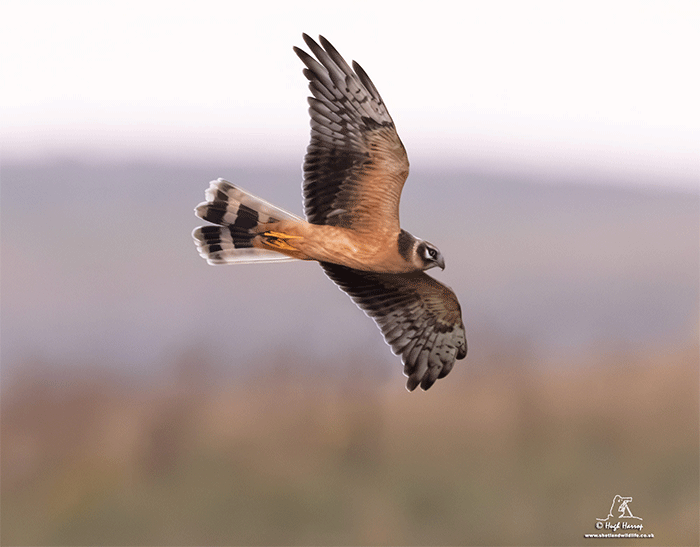
Suffolk gave us sightings of juvenile Montagu’s Harrier at Felixstowe Ferry on 12th, Bawdsey on 12th, Boyton Marshes RSPB on 14th, and Havergate Island RSPB on 16th-17th.
A possible Eleonora’s Falcon was seen on 17th in Lincolnshire heading south past Anderby Creek.
A female Red-footed Falcon was reported from Hebburn (Co.Durham) on 13th, followed by a bird seen on 14th in Norfolk at Welney WWT.
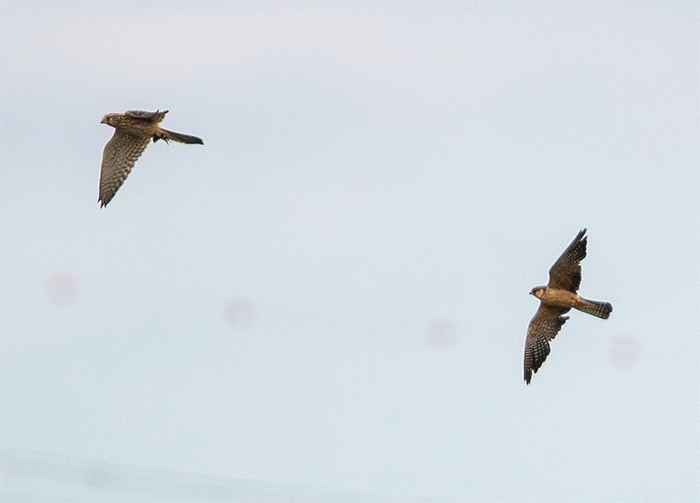
Norfolk also, of course, continued to support the Black-winged Kite at Sea Palling this week on 11th-17th.
All good things have, as we know, to come to an end and, after being last seen there on 11th, the adult male Long-tailed Shrike wasn’t seen thereafter in Gloucestershire at Eastleach Downs. Farewell old friend. It’s been good while it lasted.
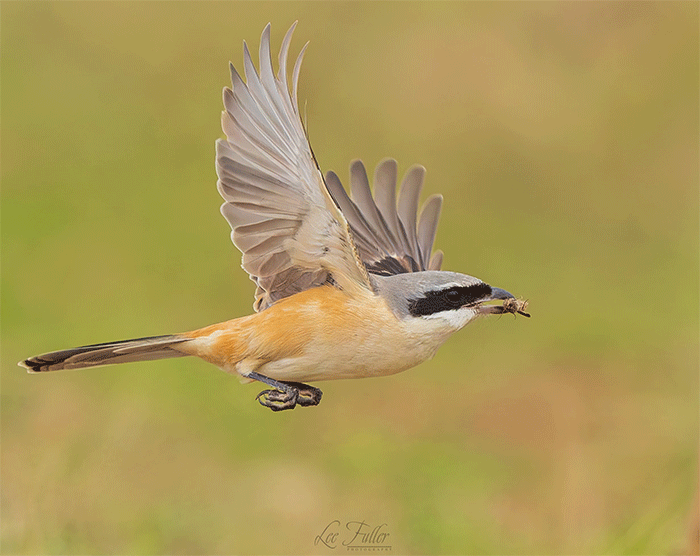
A Woodchat Shrike made landfall on Bryher (Scilly) on 6th-7th.
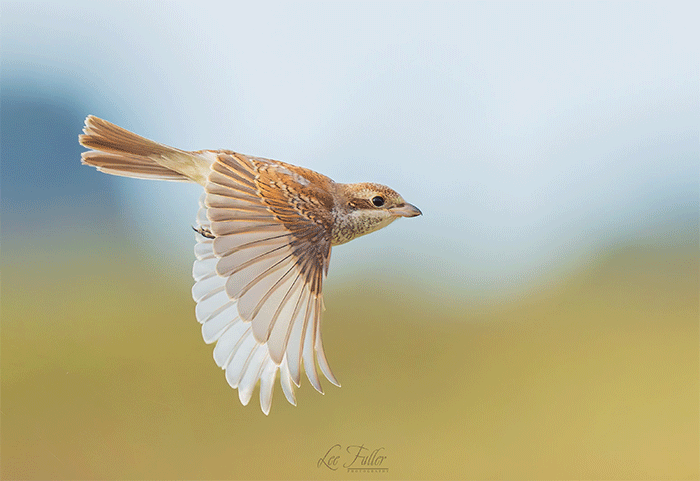
Barely a handful of Red-backed Shrike spoke volumes about the general lack of easterly influence in the week. One remained at Priory CP (Bedfordshire) on 11th-15th; another at Farlington Marshes HWT (Hampshire) on 11th; and another near Churchtown (Co.Wexford) on 11th also; and new birds seen in Cornwall at Polgigga on 11th-13th, and in Essex at Holland Haven CP on 16th. Another was reported on 16th in Lincolnshire at Frampton Marsh RSPB.
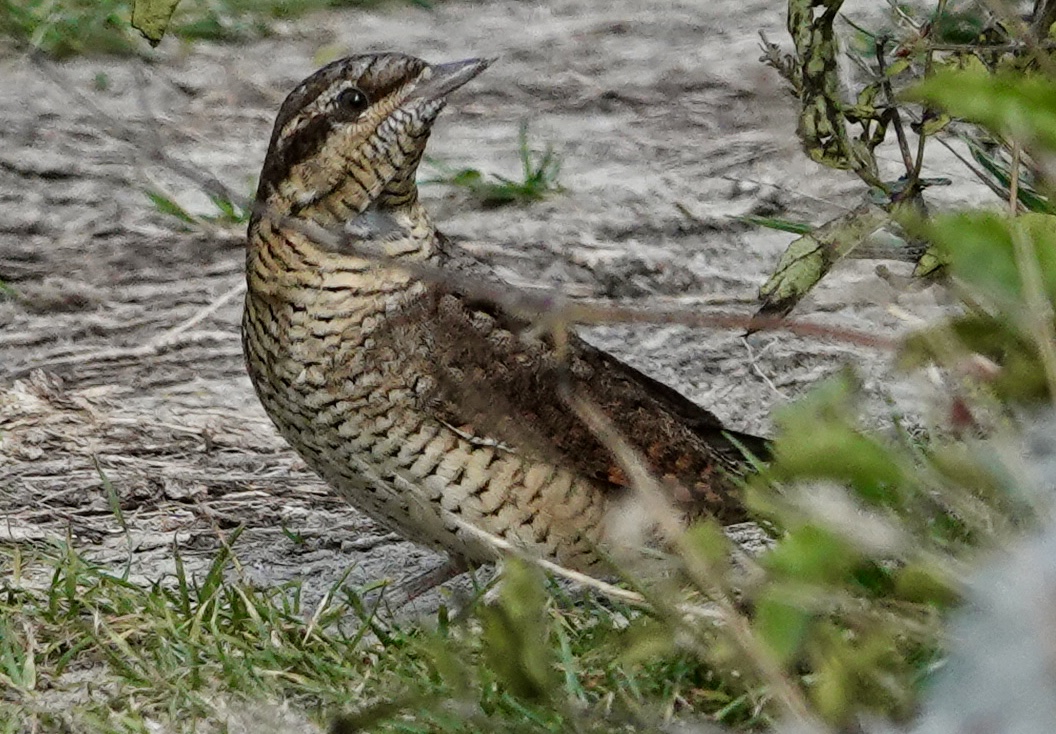
25 Wryneck also spoke of a deepening contraction of easterly migration.
A Red-rumped Swallow bucked the trend at Cape Clear (Co.Cork) on 11th.
A Hoopoe was reported on 16th at Lossiemouth (Moray).
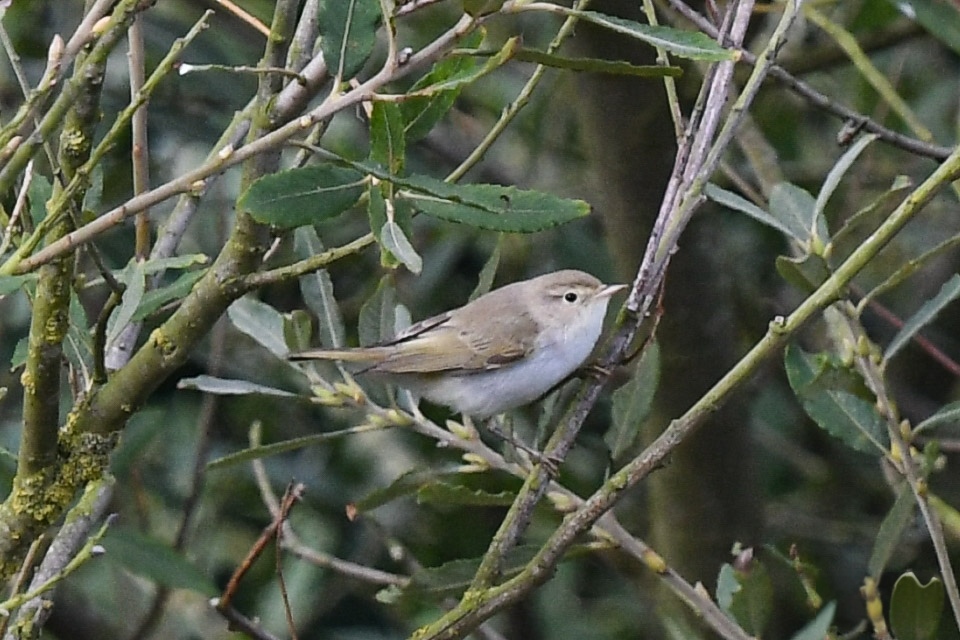
Finally giving us a clue of the easterly delights that could be bound our way, Scilly pulled a rabbit from the hat on 16th-17th with the discovery of an Eastern Olivaceous Warbler on Gugh. The first for the islands in almost 30 years, this would be a popular bird with a new generation of Scilly birders.
Gugh also boasted a Greenish Warbler present on 17th.
A Western Bonelli’s Warbler was found at Flamborough (East Yorkshire) on 11th, while the recent bird remained present on Lundy (Devon) on 14th-16th. Another present at Dungeness (Kent) on 14th-15th was trapped and ringed there on 15th.
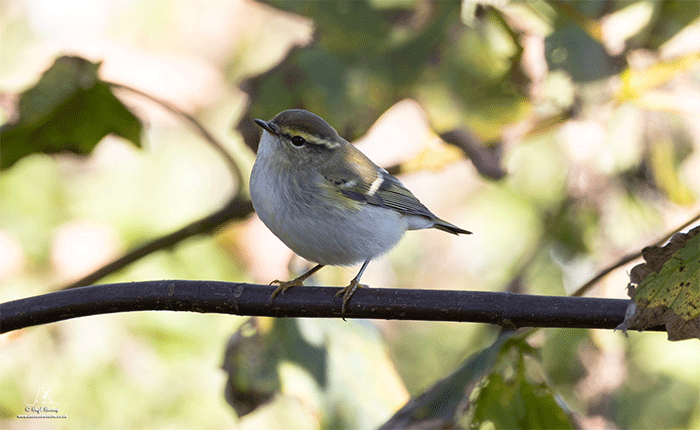
Some 30 Yellow-browed Warbler, almost all of them found in Shetland, hinted at what might have been. These days they come regardless of the weather, albeit a good easterly unlocks the floodgates. Plenty of time yet for them to arrive in their hundreds or thousands…
A mere four Barred Warbler were noted during the week, a dismal showing really – these were seen on Fair Isle (Shetland) on 14th and 16th, Flamborough (East Yorkshire) on 11th-14th, at The Naze (Essex) on 14th, and on Bryher (Scilly) on 11th.
Just one Icterine Warbler this week, on Shetland Mainland at Toab on 16th.
Three Zitting Cisticola remained at Walberswick NNR (Suffolk) on 13th-15th.
The Rose-coloured Starling was once more seen at Scrabster (Highland & Caithness) on 12th, one at Mizen Head (Co.Cork) on 16th, and a probable in flight on 14th at Weston Moor (North Yorkshire).
Maintaining the strong Irish showing of Nearctic passerines this week, an American Pipit was found on 15th-17th on Skellig Michael (Co.Kerry)…
…and the first Red-eyed Vireo of the autumn on 16th on Inishmore (Co.Galway), followed quickly by another on – where else this week – Dursey (Co.Cork) on 17th.
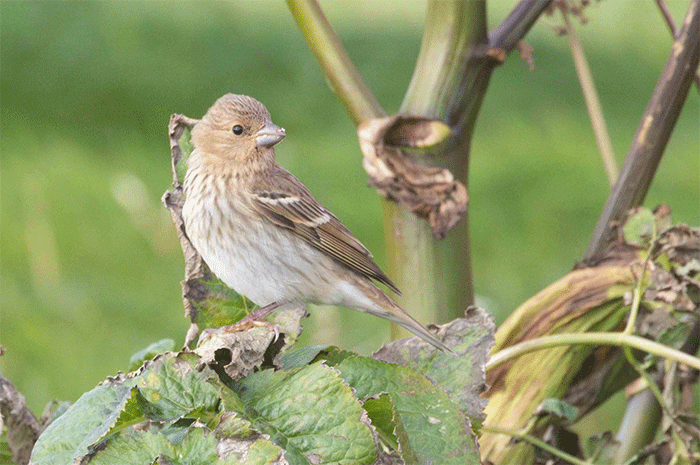
Just shy of 20 Common Rosefinch were reported during the week, with a peak count of seven present on Fair Isle (Shetland) on 17th. Ireland got a look in with a bird seen on Inishbofin (Co.Galway) on 15th.
A probable Ortolan Bunting was seen in London at Totteridge Valley on 16th.
And finally, the sometimes elusive White-throated Sparrow reappeared on 16th on Isle of May (Fife).
We start the overseas news on the opposite side of the North Sea where, in Norway, a Yellow-browed Bunting was trapped and ringed on Utsira on 11th. Norway also held its recent Western Black-eared Wheatear on 11th at Rinneveien.
Up on Iceland, the Short-billed Dowitcher remained at Hofn on 17th.
Closer to home, a Sora was on the Channel Islands on Alderney on 14th.
To the Iberian Peninsula where, in Spain, two Elegant Tern were seen on Playa de Montijo on 13th, and a single bird at Barbate la Brena y Marismas de Barbate on 11th; while in Portugal two remained on 17th at Rua Teotonio Banha.
It looks like the coming week will, once again, be all about the westerlies. And while that will inevitably mean more Nearctic waders, yay, we really need to start thinking with some more gusto about potential passerine goodness. It’s the third week of September, after all…
Given we landed a couple in Ireland last week, one or two more Red-eyed Vireo feel like a good call. But what about something rarer still?
Of course, Ireland has also scored itself a very welcome Blackburnian Warbler, but other warblers are very much available. Historically the coming week boasts records of an absolutely mouth-watering array of goodies. Five Tennessee Warbler; four Black-and-white Warbler; three Magnolia Warbler; two Blackpoll Warbler; and single records of Common Yellowthroat, Hooded Warbler, Northern Parula, Blackburnian Warbler, Bay-breasted Warbler, Chestnut-sided Warbler, Canada Warbler, and Wilson’s Warbler.
Any of those would do very nicely indeed, even a Blackpoll Warbler. Warblers, they’re all good.
Jon Dunn
18 Sept 2026
Many thanks to all this week's contributors for your photos and videos.
Get Breaking Birdnews First
Get all the latest breaking bird news as it happens, download BirdAlertPRO for a 30-day free trial. No payment details required, and get exclusive first-time subscriber offers.
Share this round-up