


Zitting Cisticola Breeds in Britain for the First Time
Family party in Suffolk confirms long-anticipated arrival of a new breeding species on the British mainland
First appearance in Suffolk followed by breeding
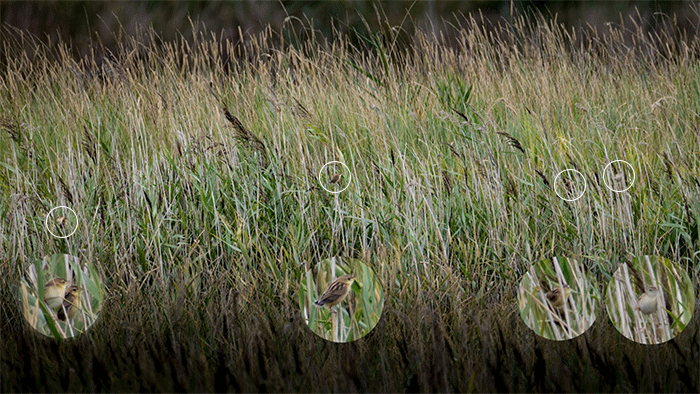
An extraordinary ornithological milestone has been confirmed at Walberswick in Suffolk, where Zitting Cisticola Cisticola juncidis has bred for the first time in Britain. An adult was first reported at the site on 3 August, representing the first record for Suffolk. Just two weeks later, on 17 August, observers recorded two birds, with one male in full song - an early sign that breeding might be on the cards.
Today, the discovery of a family party of five birds - two adults accompanied by three juveniles - has confirmed that this southern European and Asian warbler has nested successfully. The news marks the species’ first proven breeding on the British mainland and a major landmark in the ever-changing avifauna of these islands.
Background and context
Zitting Cisticola, often known as the Fan-tailed Warbler, is a tiny, restless bird, instantly recognisable by its explosive ‘zitting’ display flight and long graduated tail. It is a species of warm open grasslands and marshes, common around the Mediterranean but prone to expansion during periods of milder climate.
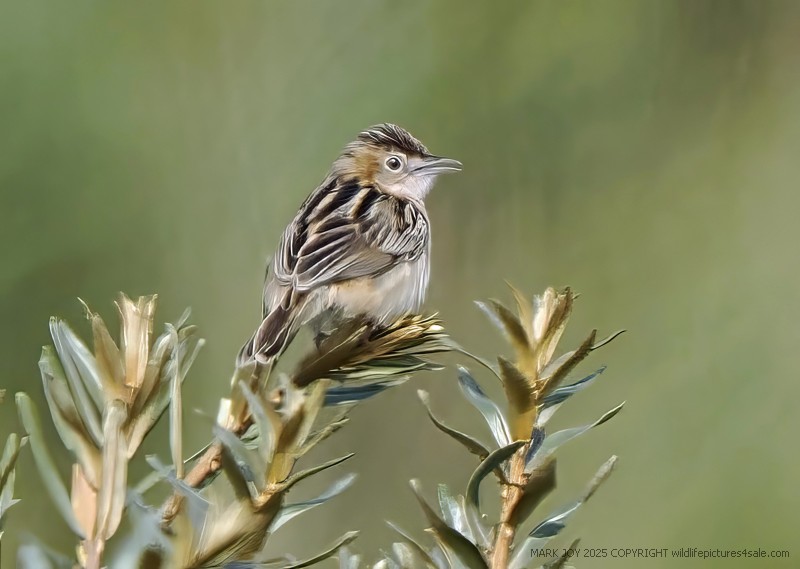
The only previous breeding attempt in the wider British Isles took place in Guernsey in 2009. Since then, birders have speculated that the species could colonise southern England, where warming temperatures and suitable habitats might allow it to establish. Walberswick’s extensive reedbeds and rough grazing marsh appear to have provided exactly the right conditions for this pioneering pair.
A long-anticipated colonist
Zitting Cisticola has long been talked about as a likely future addition to Britain’s breeding avifauna, alongside species such as Cattle Egret and Great White Egret, which have both recently gained a foothold. Its spread northwards in continental Europe has made its arrival seem inevitable, though the timing of the breakthrough has taken many by surprise.
For British birders, the discovery provides both a thrilling rarity and a glimpse of the avian future. As climate and habitats shift, new species are arriving, some to stay. The Walberswick cisticolas are the latest, and perhaps not the last, of these pioneers.
August 2025
Share this story





