Weekly birding round-up: 5 - 11 Jun
Two consecutive weeks with national firsts? What a time to be alive. Hot on the heels of Ireland’s first Trumpeter Finch last week, Britain replied with a first of its own in the week just gone. It had, perhaps, been lurking in our midst a while yet, but the main thing was its discovery in North Wales over the weekend and its amenable nature, staying put throughout the week that followed. Whoever said early summer was boring? It’s all still to play for out there.
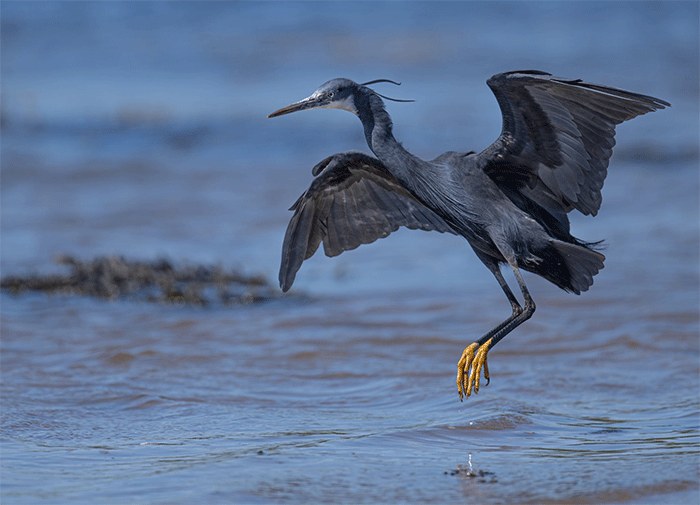
Surely one that had been riding ever higher on British birders’ keenly anticipated list, given the increasing frequency with which the species has been seen in recent times in western Europe, Britain’s first ever Western Reef Heron shattered the calm of early June when news broke of its discovery at Foryd Bay (Gwynedd) in the morning of 6th.
A dark morph bird, this individual really had everything going on – extreme rarity, yes, this being a species found only as close to Britain as West Africa, from where the gularis species hails; but also extreme beauty – a dapper bird quite unlike any heron or egret we’re familiar with, and complete with a full set of aigrettes for good measure.
April 2026 saw two birds found in central France, while one was found in northern Spain in Galicia in late May. The auguries were looking good. As the current week wore on, our Welsh bird remaining in the Foryd Bay area until 11th, retrospective news broke of a bird – the same, presumably, as surely lightning couldn’t strike twice (could it?!) – seen on 13th May in Pembrokeshire at Sandy Haven.
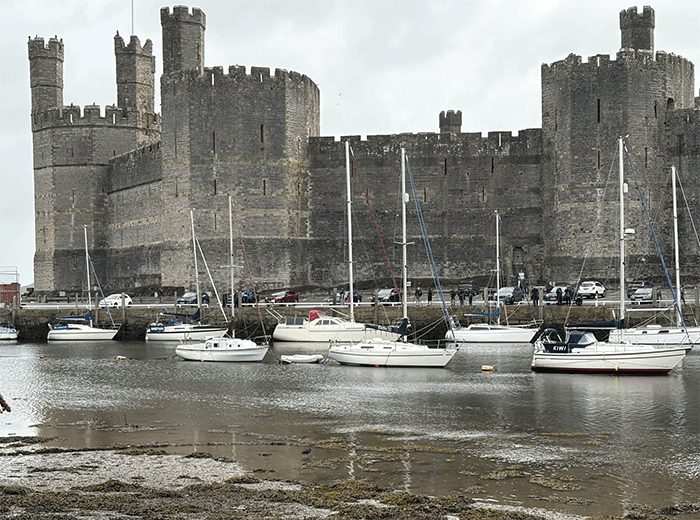
To say this week’s discovery threw a cat among the pigeons of many weekend plans would be something of an understatement. Birders the length of the country – and from overseas too – dropped everything and headed to north Wales.
It remains to be seen how long it sticks around, though European breeding records hooked up with Little Egret, as recently and as close to us as last summer in Central France, suggest Western Reef Heron are not precious, and are prepared to make the best of their new surroundings – so maybe the Welsh bird’s stay will prove protracted after all. A magnificent first, and surely not set to be our last, given the way the straws are blowing in the European winds of late.
Meanwhile this week, while British birders were delighting in a long-awaited national first, in Ireland there was scarcely cause for complaint as their first Trumpeter Finch showed no signs of quitting Great Saltee on 5th-8th.
Something of a summer surprise in Highland & Caithness this week, a Brunnich’s Guillemot was found on 9th from a boat off Cape Wrath.
A surprise, certainly, given the time of year, but not wholly without precedent. June boasts past records of this northern auk as recently as 20th-22nd June 2024, when a bird was present at Scrabster (Highland & Caithness); while one was present at Cley (Norfolk) on 29th June 2023 and, further back, our first June bird was the famous long-stayer that settled onto the cliffs of Sumburgh Head (Shetland) on 16th June – 12th July 1989.
In the wake of last year’s seminal first British breeding record of Zitting Cisticola, it feels inevitable that the species is crossing something of a Rubicon (and the English Channel) in these parts and setting about becoming a regular migrant visitor to our shores. (Shh, don’t tell Nigel, he won’t like it…) This week Kent notched up yet another bird, one found in the morning of 11th at Bockhill Farm, where it remained for an hours or so before heading north inland.
The week was generally a quiet one for seabirds, with some increased sightings of Balearic Shearwater the most notable feature of recent days – around 330 birds reported across the week, with a peak count of 70 seen from Portland (Dorset) on 7th.
A Cory’s Shearwater was seen from Ballycotton (Co.Cork) on 5th, with another possible that day seen from Spurn (East Yorkshire). Around a dozen Great Shearwater were also logged, sightings split between Cornwall and southwest Ireland, and a peak count of four seen from The Lizard (Cornwall) on 11th.
Perhaps the most exciting putative shearwater of them all was the probable Barolo Shearwater seen from Lewis (Western Isles) on 7th.
A handful of Wilson’s Petrel were noted this week in Cornwall – seen from Porthgwarra on 5th, 6th and 11th; Pendeen on 6th; and The Lizard on 11th; another was reported from Pendeen on 10th.
Long-tailed Skua outnumbered Poms in recent days, with some 10 of the former seen, including three from Porthgwarra (Cornwall) on 7th, and two from Ballycotton (Co.Cork) on 5th. Two Pomarine Skua were seen at sea between Ullapool and Stornoway (Highland & Caithness / Western Isles) on 5th; one from Porthgwarra on 7th; another at Severn Beach (Gloucestershire) on 11th; and one was reported from Portland (Dorset) on 10th.
A White-billed Diver was seen from the mailboat off Vaila (Shetland) on 11th.
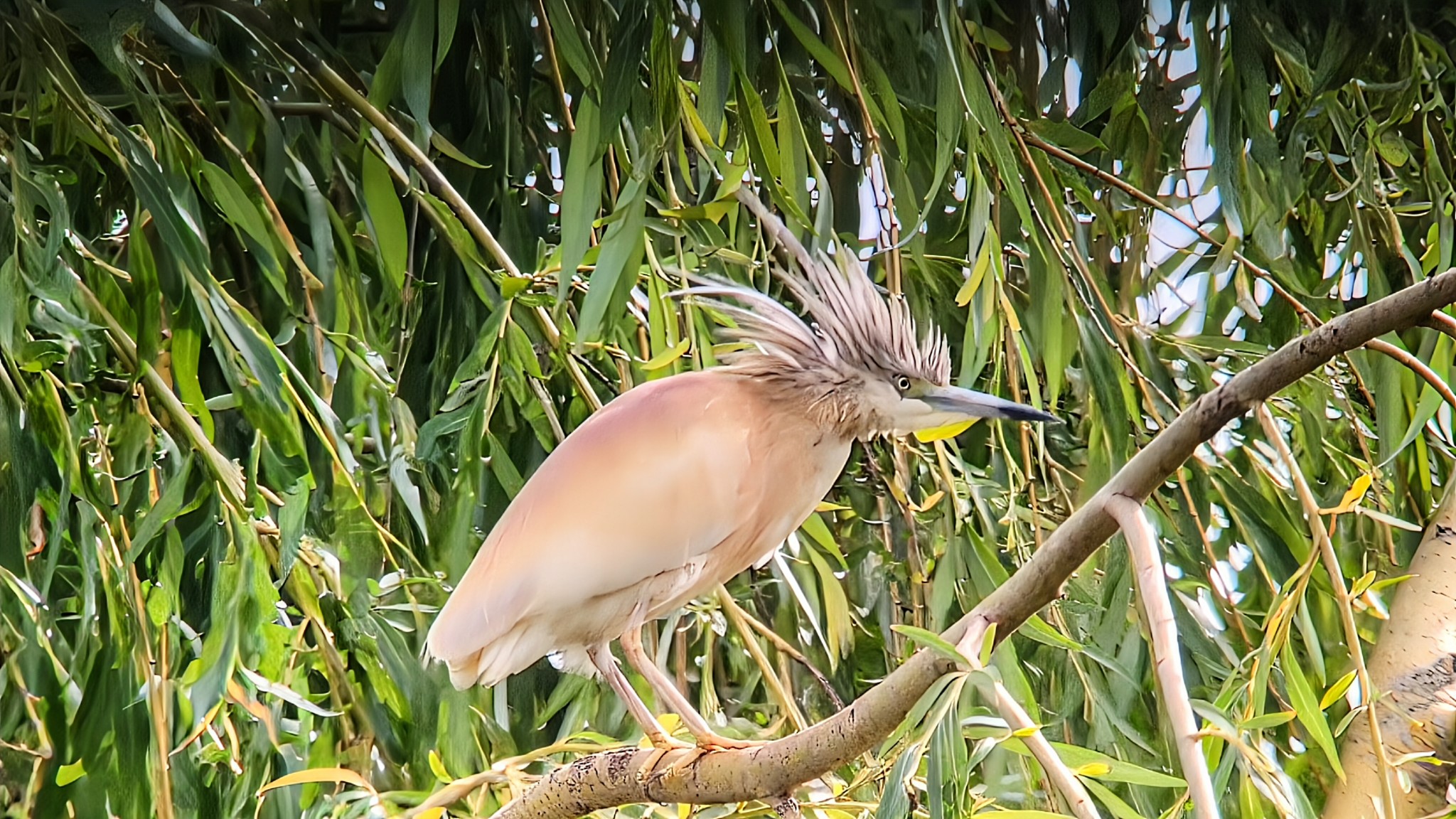
Any week that features a Squacco Heron among the long-legged beasties would normally qualify as a success but, given events in Wales, the discovery of one such in Lincolnshire in the Crowland area on 6th-7th was understandably somewhat overshadowed… and even the find of another at Chew Valley Lake (Somerset) on 10th remained rather eclipsed.
A possible Night Heron was reported from Walthamstow Wetlands RSPB (London) on 10th.
In Cambridgeshire the recent Purple Heron remained at Etton-Maxey Pits on 5th-7th, and again on 10th; another was found in Dorset at Lodmoor RSPB on 8th.
Keeping the side up for the honkers this week, a Snow Goose was seen in Lincolnshire at Freiston Shore RSPB on 6th.
In Somerset the recent drake Blue-winged Teal was again seen at Ham Wall RSPB on 7th.
The drake Ferruginous Duck remained on Draycote Water (Warwickshire) on 5th-10th.
Ring-necked Duck recently were one still present on Lewis (Western Isles) on 8th, and the drake again on Loch of Tingwall (Shetland) on 7th.
Back in the news once more, a Lesser Scaup was seen anew on College Lake (Buckinghamshire) on 6th-9th.
The recent female King Eider remained in Shetland off Lerwick on 5th-6th.
In Fife one of the recent drake White-winged Scoter was still to be seen at Kirkcaldy on 5th-11th, with a drake also seen from Musselburgh (Lothian) on 9th; while a female was found in Co.Galway at Killeenaran on 8th-9th.
A small late flurry of Temminck’s Stint occurred during this past week, with northern birds seen on Shetland Mainland at Channerwick on 5th, and North Ronaldsay (Orkney) on 7th-8th. In Lincolnshire one remained at Frampton Marsh RSPB on 5th, with perhaps the same bird seen here on 10th also.
Pectoral Sandpiper were seen in recent days at Farlington Marshes HWT (Hampshire) on 5th, and another reported at Loch of Strathbeg RSPB (Aberdeenshire) on 6th. In Ireland one was present at Tacumshin (Co.Wexford) on 10th.
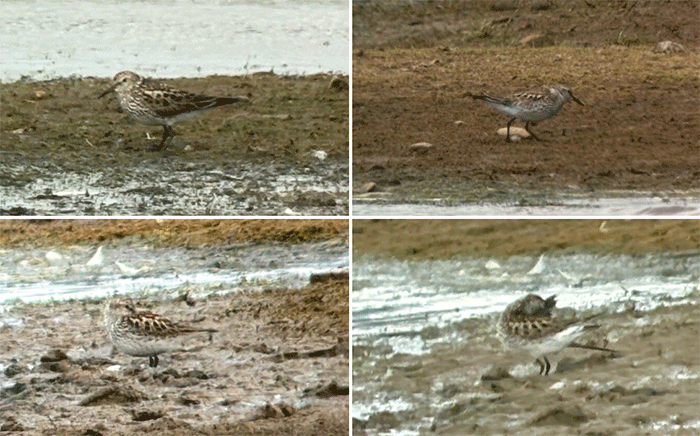
A White-rumped Sandpiper was seen at Langford Lowfields RSPB (Nottinghamshire) on 9th.
The recent Red-necked Phalarope remained at Aldeburgh Town Marsh (Suffolk) on 5th; further birds were to be seen this week at Slimbridge WWT (Gloucestershire) on 7th, and on 9th at Misson (Nottinghamshire).
A smattering of Sabine’s Gull were reported this week – two from Black Head (Co.Clare) on 7th, one from Black Head (Cornwall) on 7th, and three off The Lizard (Cornwall) on 11th.
In Aberdeenshire a first-summer Bonaparte’s Gull was present on the Ythan Estuary on 5th-7th; and another was seen on Hayling Island (Hampshire) at Sandy Point on 9th.
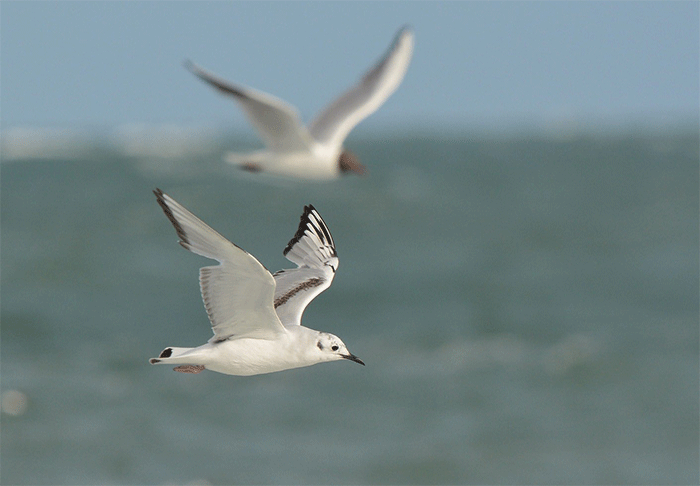
The adult Ring-billed Gull was again seen at Noss on 10th.
A Glaucous Gull was seen passing Isle of Whithorn (Dumfries & Galloway) on 6th; one was again present on Westray (Orkney) on 7th and 11th; and another on Benbecula (Western Isles) on 8th.
Terns continued to do a lot of the heavy lifting – not least the returned Least Tern still settled at Portrane (Co.Dublin) on 5th-7th, and seen over Rogerstown Estuary on 9th.
In Northumberland the female surinamensis American Black Tern remained present at Long Nanny on 5th-10th.p>
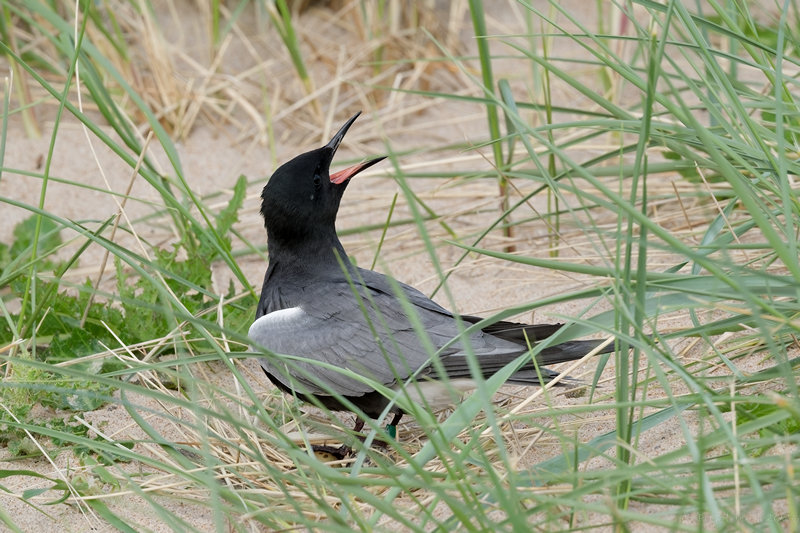
A White-winged Black Tern was seen briefly at Lady’s Island Lake (Co.Wexford) on 6th again, presumably also accounting for the bird at Tacumshin on 8th-11th; also on 8th, sightings came from Seaforth LWT (Lancashire & North Merseyside), and Holme Pierrepont (Nottinghamshire).
White-winged Black Tern - HP, Notts (08.06.2026)
— Alan_HP_Notts (@Alan_HP_Notts) June 8, 2026
Another dollop of HP sauce!@TollertonBirder pic.twitter.com/Zad8nUGrKv
A Gull-billed Tern was reported from Cley NWT (Norfolk) on 7th, and a possible seen nearby at Sheringham on 8th.
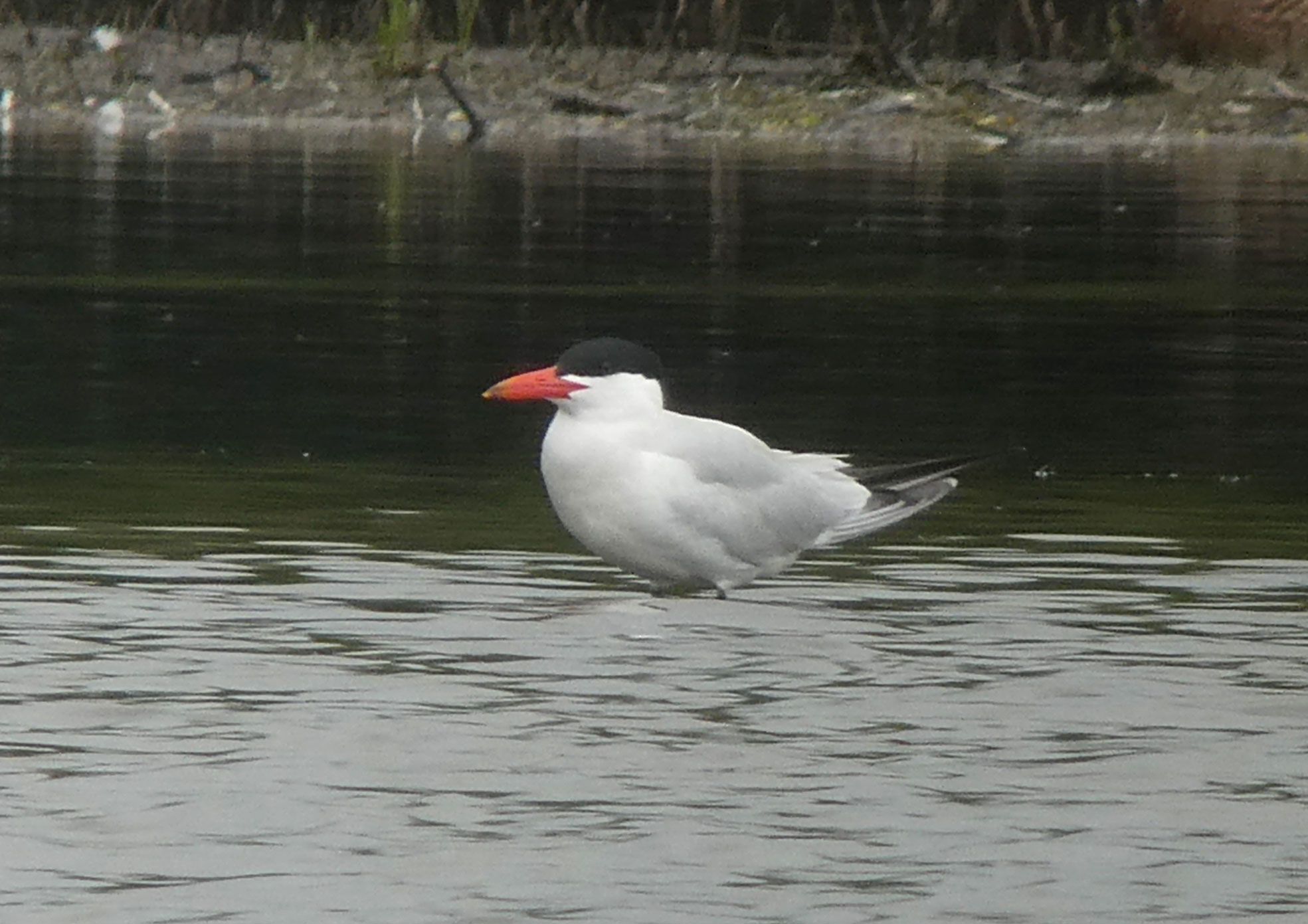
Last but emphatically not least, a Caspian Tern thudded down to Blithfield Reservoir (Staffordshire) on 11th.
Still standing head and shoulders proud among the scarce and rare raptors, the Black-winged Kite remained present at Hempstead Marshes in Norfolk on 5th-11th.
Norfolk also provided us with a ringtail Montagu’s Harrier at Horsey again on 7th; another was seen on the same day at Long Nab (North Yorkshire). One was reported from Frampton Marsh RSPB (Lincolnshire) on 8th.
A Pallid Harrier male livened up Skomer (Pembrokeshire) on 5th.
A Montagu’s / Pallid Harrier was seen over Gayton (Norfolk) on 11th.
In Norfolk possible Black Kite were seen on 5th at Melton Constable and Hindolveston.
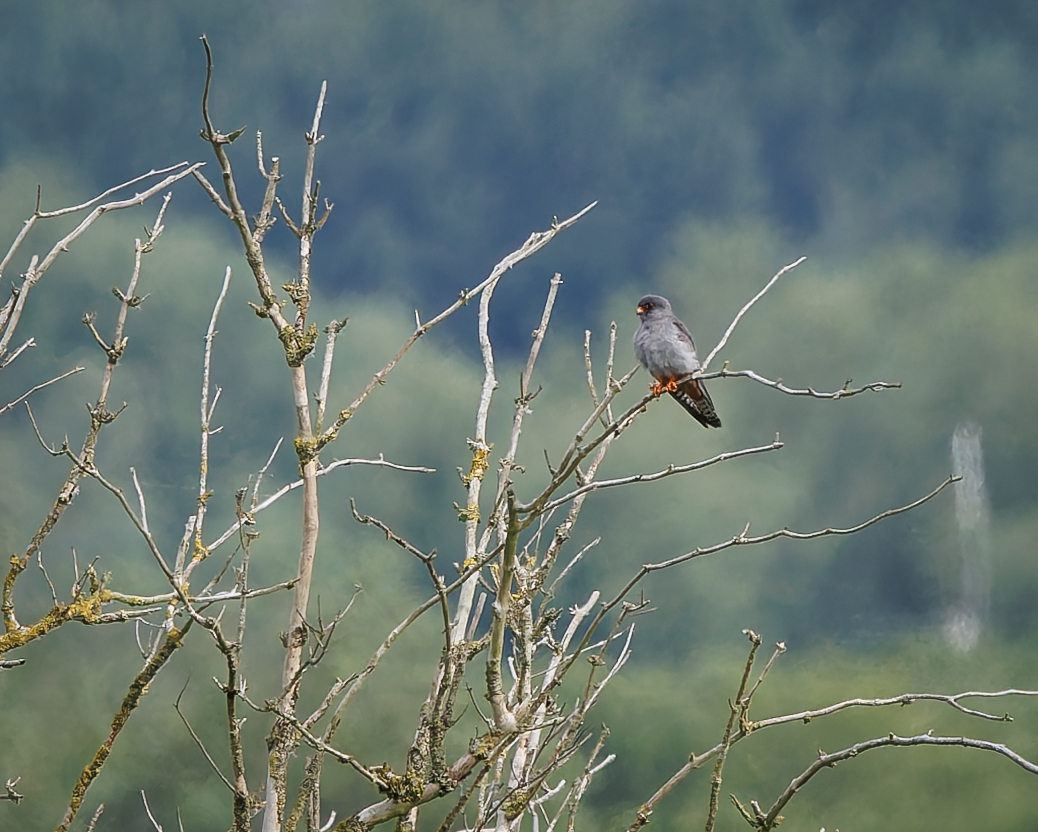
Red-footed Falcon remained at Cooley Point (Co.Louth) on 5th-11th, and in Kent at Worth Marshes RSPB on 5th; additional sightings came this week at Strumpshaw Fen RSPB (Norfolk) on 5th-11th, and Walberswick NNR (Suffolk) on 6th-10th – two females were seen at Walberswick on 10th; another was reported from Holme Pierrepont (Nottinghamshire) on 10th; and one was seen in Suffolk at Westleton Heath on 11th.
The passerines were a quieter lot than of late, and even the eye candy was in shorter supply – a Hoopoe was reported from Meriden (West Midlands) on 5th; and single Bee-eater were seen at Kessingland (Suffolk) on 5th and 7th, and in Shetland on Mainland at Watsness on 9th.
Numbers of Red-backed Shrike dropped a little to just under double figures as a whole – singletons noted on Barra (Western Isles) on 5th; on 7th at Long Nab (North Yorkshire), and in Shetland at Loch of Spiggie and on Fair Isle; and also on Shetland on 8th on Mainland at Toab and Exnaboe, and on Fetlar; still on Fetlar on 9th, and at Arne RSPB (Dorset) on 9th also; and on North Ronaldsay (Orkney) on 11th.
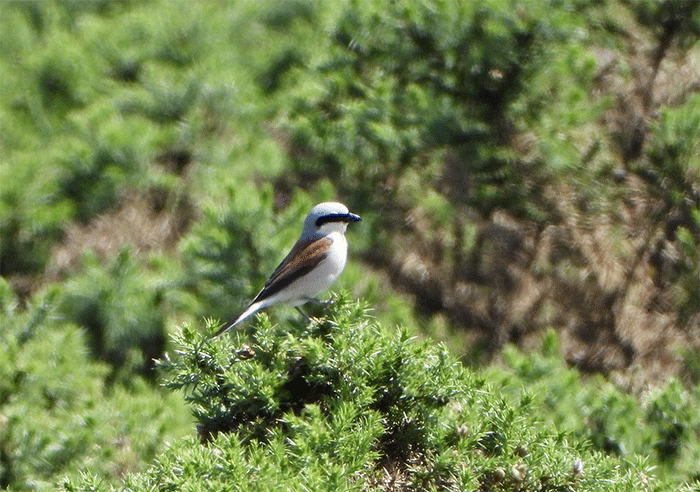
The recent Woodchat Shrike continued its residency at South Stack RSPB (Anglesey) on 5th-9th, while another was found on Lewis (Western Isles) on 8th.
Golden Oriole melted away in recent days, with a little more than a handful reported nationwide. One remained in Lincolnshire at Gibraltar Point NNR on 5th; two were present on Lundy (Devon) on 5th, with one still there on 6th-8th; a singing bird was present on Unst (Shetland) on 6th; one was seen in Kent at Pegwell Bay on 7th; another in Norfolk at Bressingham on 9th; and a bird was reported from Upware (Cambridgeshire) on 5th.
The steadfast Iberian Chiffchaff remained at Hardwick Hall CP (Co.Durham) on 5th still.
A singing Greenish Warbler livened up South Nesting on Shetland’s Mainland on 5th-6th.
If the week belonged to any warbler, it was Marsh Warbler in Shetland, with eight birds logged – three on Fair Isle on 8th-9th, one still present on 10th; and singles at Scousburgh on 5th, Out Skerries on 5th-7th, Unst on 7th, Foula and Whalsay on 9th, and at Exnaboe on 8th. Away from here, one remained at Peterhead (Aberdeenshire) still on 5th-6th, another was on Papa Westray (Orkney) on 10th, and final bird on North Ronaldsay (Orkney) on 10th-11th.
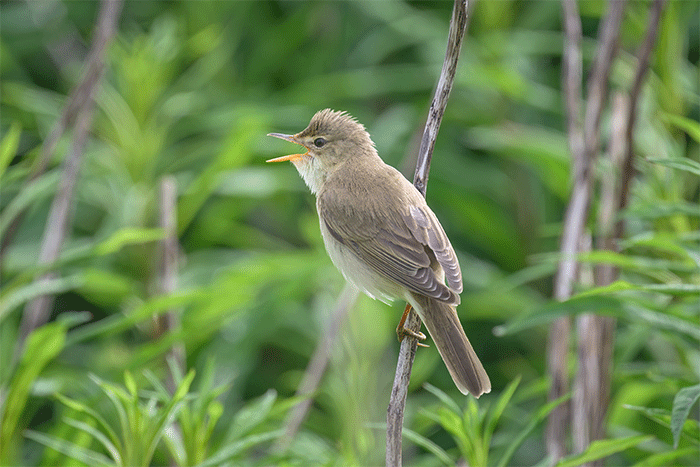
In Somerset the territorial Great Reed Warbler remained at Shapwick Heath NNR 5th-10th.
A Savi’s Warbler was found in song in Lincolnshire at Alkborough Flats NR on 10th.
Shetland also held a near monopoly on Icterine Warbler lately, with one present on Unst on 5th still; and others seen during the week at Culsetter on 7th, on Out Skerries on 7th, on Fair Isle on 7th-9th (singles until 9th, when three were noted on the isle), on 8th at Boddam and Exnaboe, and on 9th at Grutness and on Foula. One was trapped and ringed on North Ronaldsay (Orkney) on 8th.
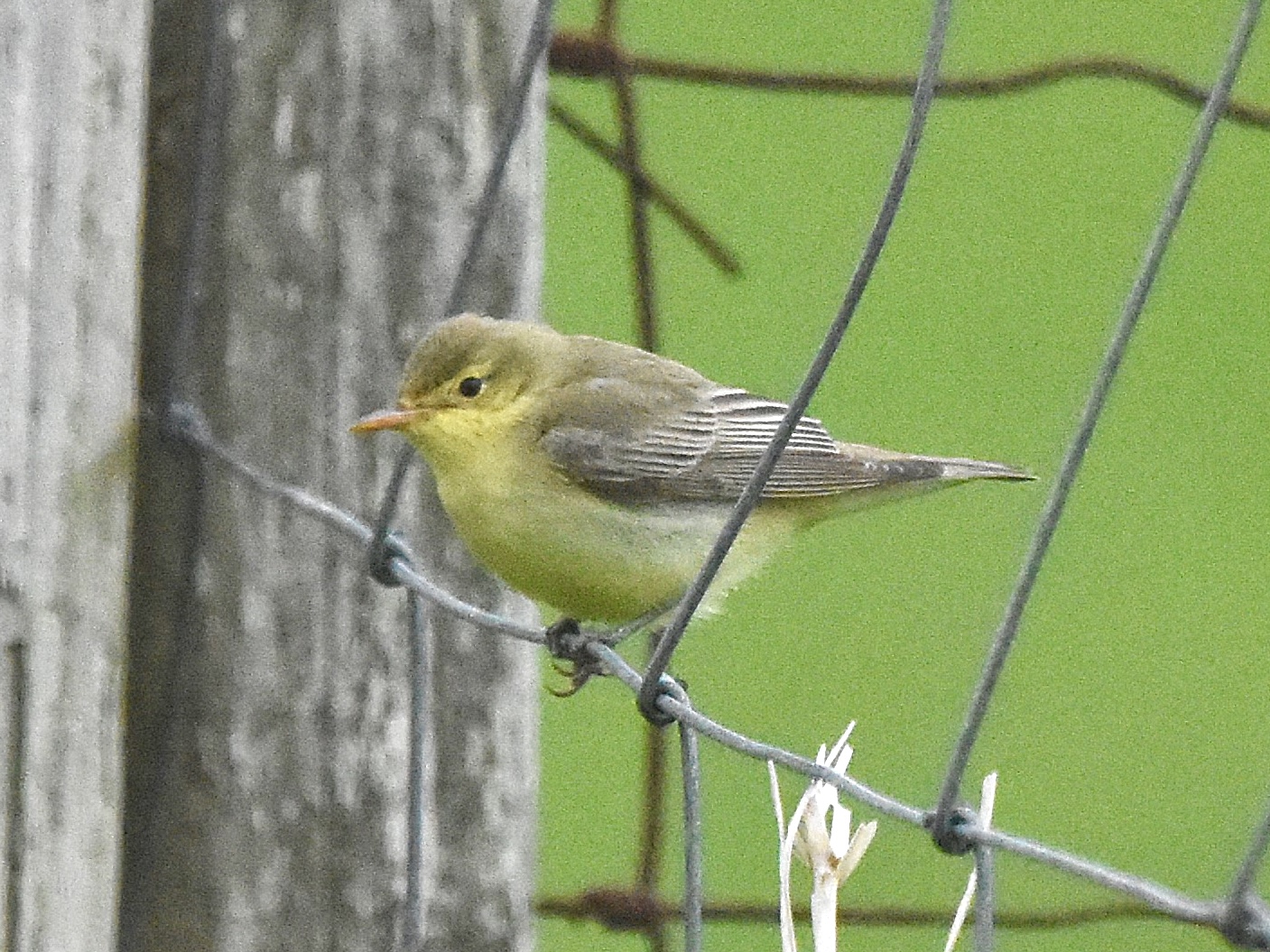
A Subalpine Warbler sp female was present on Sumburgh Head (Shetland) on 9th.
A Bluethroat was to be seen on Papa Westray (Orkney) on 7th-8th.
The singing Red-breasted Flycatcher remained in Culloden Wood (Highland & Caithness) on 5th-11th.
A Rosy Starling was seen again in Northumberland at Long Nanny on 7th.
A most obliging and brick red Red-throated Pipit dropped into Unst (Shetland) on 5th.
Flyover Serin were logged on Portland (Dorset) on 9th and 10th, the bird remaining in the Obs garden on 11th.
Orkney held a singing Common Rosefinch on Papa Westray on 6th, and one present on Sanday on 10th; while Shetland birds were noted on Mainland on 6th at Pool of Virkie and Sandwick, and on 8th at Geosetter.
Pool of Virkie also contributed a Rustic Bunting trapped and ringed in a garden on 7th.
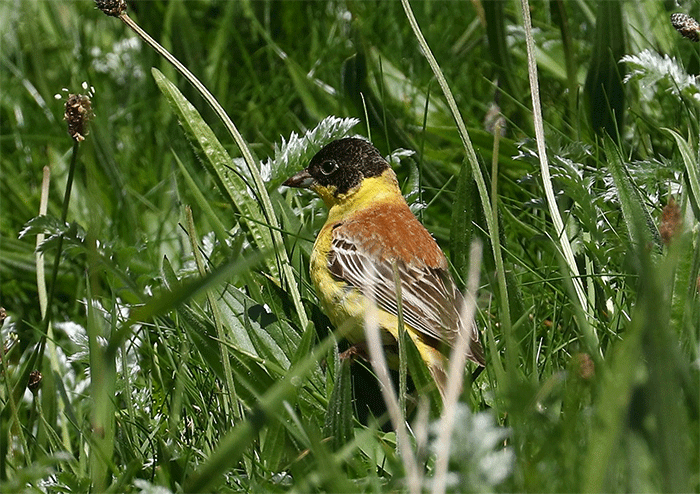
A male Black-headed Bunting was found on Foula (Shetland) on 10th.
Still showing no signs of departing for pastures new, the Great-tailed Grackle remained at Speke Hall NT (Lancashire & North Merseyside) on 11th.
It seems only right to start the overseas news in France, where a Western Reef Heron was present at Les Joncheres on 6th. An Audouin’s Gull added further interest at Le Porteray on 5th; while the Elegant Tern remained at Polder de Sebastopol on 7th, and the Bridled Tern still at on Ile aux Moutons on 6th.
Considerably further afield, a Short-tailed Shearwater was again noted at sea off Kuwait on 10th.
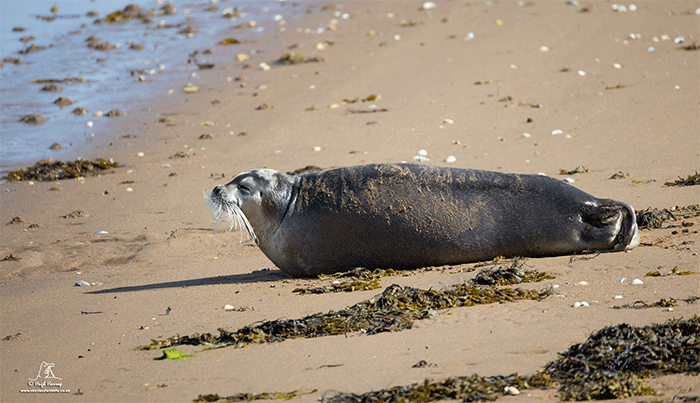
The most significant non-avian sighting of the week was a Bearded Seal found on the beach at Graven, Mainland Shetland, on the morning of 9th. There have been nearly 40 records of this Pinniped in Britain with almost half occuring on Shetland.
Well, we scarcely called it in these parts last week, but we did highlight the forthcoming week’s extreme pedigree from delivering firsts for Britain – a roll call of Citril Finch, Sulphur-bellied Warbler, and Tree Swallow to which, now, we can add Western Reef Heron. Not a bad week at all by anyone’s standards.
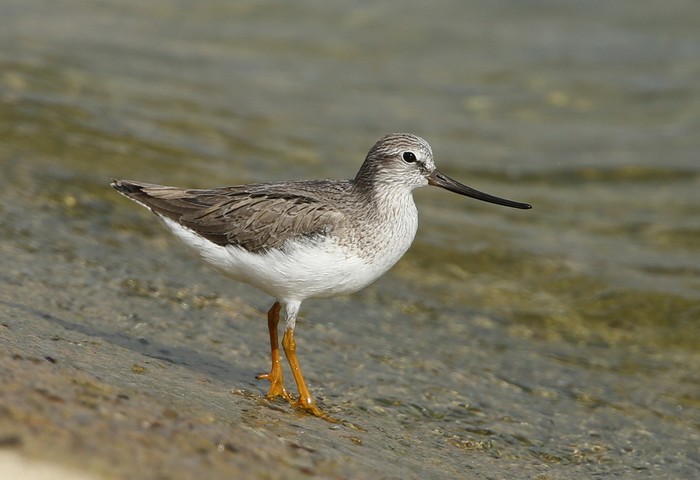
And the coming week, what of that? Let’s not give up on late-moving waders just yet, for the middle of June represents a fine time for a Terek Sandpiper, with the coming week boasting no fewer than 11 past records. With the exception of a bird in Cornwall back in 1961, those were all east coast vagrants – suggesting birders on that side of the country in particular would do well to keep an eye peeled for this elegant species during the days to come.
Jon Dunn
12 Jun 2026
Many thanks to all this week's contributors for your photos and videos and to everyone who contributed throughout the year.
Get Breaking Birdnews First
Get all the latest breaking bird news as it happens, download BirdAlertPRO for a 30-day free trial. No payment details required, and get exclusive first-time subscriber offers.
Share