Weekly birding round-up: 13 - 19 Mar
Crikey... for a moment this week, it looked like 2026 was about to deliver a first for Britain. Alas the Great Black-headed Gull in Suffolk proved to be an (understandable) false alarm. The wait for that one goes on. But nonetheless, this was still a good week, with a first for Ireland about which there was no doubt whatsoever.
While events in Suffolk may have been disappointing British birders, over in Ireland this week there was plenty to cheer about, for the year was off to a flying start with an Irish first – an Oriental Turtle Dove in the Harmony Hill area of Lisburn (Co.Antrim) on 15th that may have been present in the area since late in December last year.
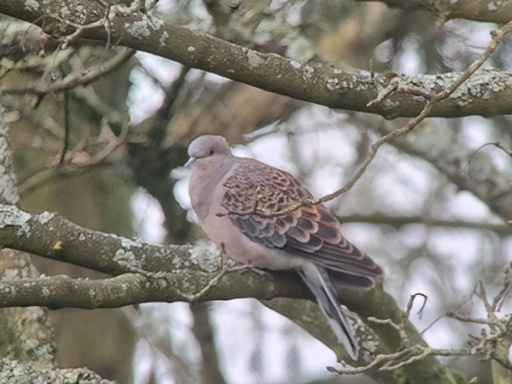
What a sickener that would have been had this orientalis bird only been identified retrospectively… but in the event, the birding gods smiled on Irish birders this week, for once the bird’s true identity was established, it continued to stick around, still present there until 19th.
One assumes, given their past track record of autumn and winter records, that the American Bittern found in Co.Cork on 18th at Cuskinny NR had probably arrived in Ireland at some point in the late autumn and has quietly overwintered there. While not the rarest of American vagrants in these quarters, there’s still some star quality about any rare bittern, and a glance at the history books tells us that most of Ireland’s past 20-plus records owe themselves to the 19th and early 20th centuries.
(Where Ireland proved a dismal place in which to be an American Bittern, for the 18 records up to 1925 are a litany of ‘shot’ and ‘obtained’. Matters scarcely improved in the second half of the 20th century, for the next three birds, spanning the period of 1964 to 1973, were variously shot or moribund. As we knocked on the doors of the present century, the species mixed things up a bit – the bird found at Killag (Co.Wexford) on 21st January 1990 was killed by a dog…)
The 21st century to date has been a little kinder. Irish birders have enjoyed a long-staying bird that put in 20 days near Owenahincha on 25th November – 14th December 2015, and a bird seen on one day only at Lough Gill (Co.Kerry) on 8th April 2023. Should this week’s bird stick around, it would still draw its admirers no doubt.
Not content with one record of Tengmalm’s Owl this year, another came along in short order this past week, a bird having been seen in the north Mainland in an Ollaberry garden on 12th being clinched there the following day by local birders in the afternoon, giving scope views for those interested, but having apparently moved on the following day.
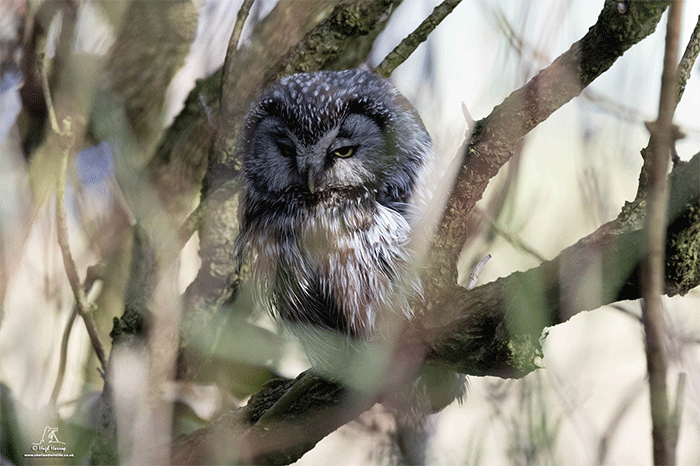
Same bird as that seen in the west Mainland some weeks back? Well, maybe. Then again, Shetland appears to be attracting a few of these owls in the past decade and, with more gardens and small plantations in the islands now being generally more wooded and shrubby than at any time in living memory, who’s to say further birds won’t become a semi-regular treat going forwards. Oh for another Hawk Owl…
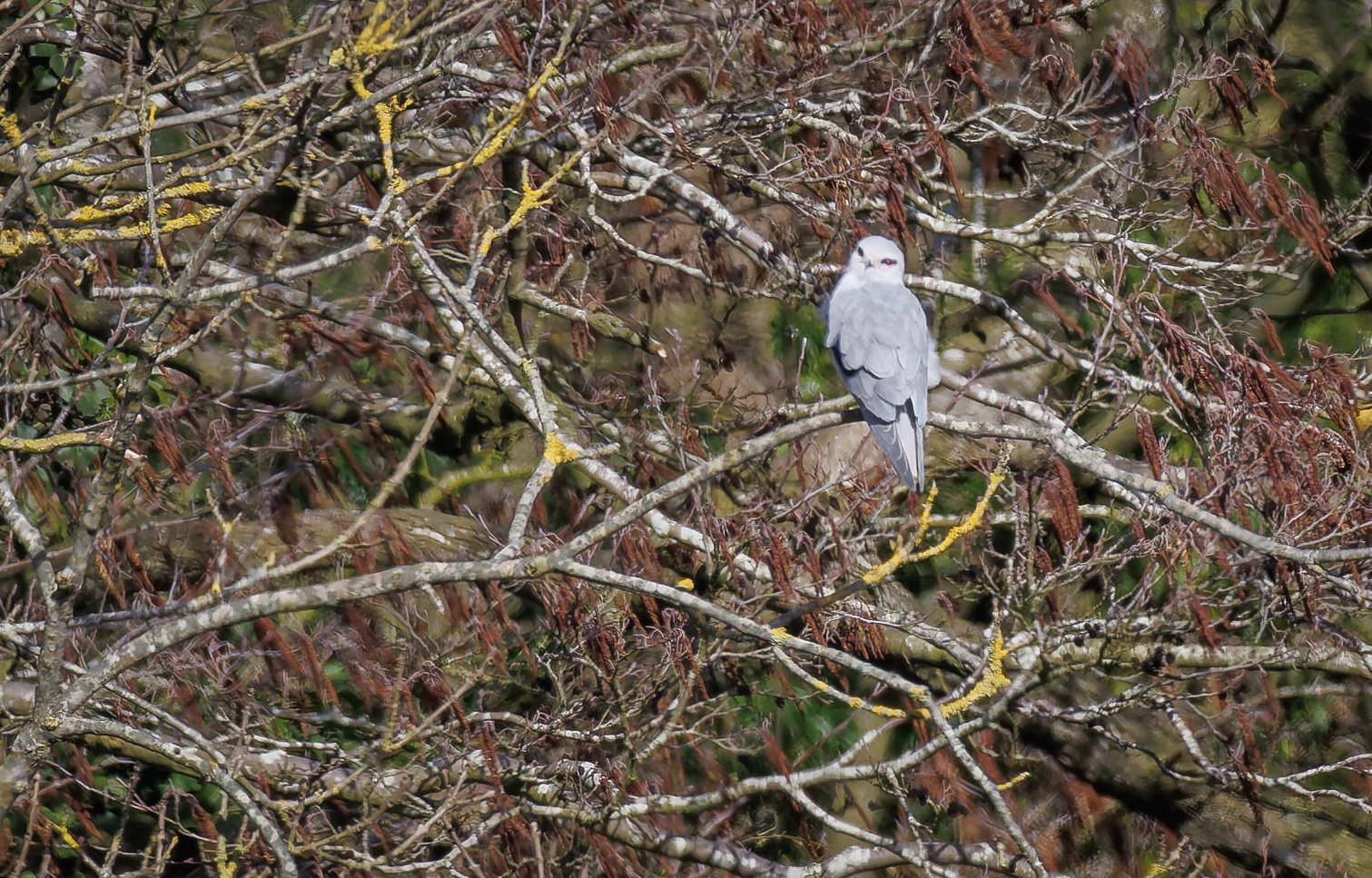
While news from Suffolk was a bitterish pill to swallow, British birders could scarcely complain this week, on the whole, for that comparatively recently yearned for British first, Black-winged Kite, was still readily there for seeing in Norfolk this week in the Ludham Bridge area on 13th-18th.
Starting the seabirds in Ireland, the Pacific Diver remained at Crookhaven (Co.Cork) on 14th, and another sighting came on 19th at Achill Island (Co.Mayo).
Numbers of White-billed Diver fell away on recent levels, with two at Inverkeithing (Fife) on 13th-18th the only single site boasting multiple birds – elsewhere, singletons were seen at Kerrera (Argyll & Bute) on 13th again; off Dunglass Burn (Borders) on 14th; at Loch Venachar (Forth) on 14th-19th still; and at Canty Bay (Lothian) on 17th.
A Little Auk was seen from Ballycotton (Co.Cork) on 17th.
Two Leach’s Petrel were seen passing Bridges of Ross (Co.Clare) on 13th.
Finally, two Balearic Shearwater was seen from St Ives (Cornwall) on 13th, and three reported from Soar Mill Cove (Devon) on 15th.
Normal service resumed for another week, with a steady daily roll call of Glossy Ibis...
It remained busy on the rarity duckpond this week, with plenty of honkers and quackers still on the go, albeit just the earliest signs of some regulars moving on now… Starting with The Goose Formerly Known As Canada, two interior Todd’s Canada Goose remained at Ballygilgan NR (Co.Sligo), with a hutchinsii Richardson’s Cackling Goose also present there that day; and the interior bird was still on Tiree (Argyll & Bute) on 18th.
The recent pair of Snow Goose remained in Ireland at Toonsbridge (Co.Cork) on 13th-18th; in Scotland one was again seen near Kingussie (Highland & Caithness) on 15th, and Insh Marshes RSPB again on 18th; and another was seen in Cumbria at South Walney NR on 13th.
The Ross’s Goose was still present near Machrihanish (Argyll & Bute) on 19th.
East Yorkshire sightings of Black Brant came from Kilnsea Wetlands on 13th, Beacon Ponds on 14th, and by Easington Straight on 19th; and another was seen in Co.Dublin at Dalkey Island on 16th-19th still; the possible Grey-bellied Brant remained at the latter site on 19th also.
American Wigeon flirted with double figures again this past week. The Shetland bird was once more seen at Loch of Spiggie on 16th; the Newshot Island (Clyde) bird remained there on 14th-15th; the Blagdon Hall (Northumberland) individual was still present on 13th-15th; and one was again seen at Bishop Middleham Quarry (Co.Durham) on 16th-19th. Further south, one remained at Otmoor RSPB (Oxfordshire) on 14th-19th; the Eyebrook Reservoir (Leicestershire) bird remained present on 13th-19th; and in Wales, sightings came from Gwbert (Ceredigion) on 13th, and on the Teifi Estuary at St Dogmaels (Pembrokeshire / Ceredigion) on 14th-19th still.
Numbers of Green-winged Teal remained fairly static – birds were seen on Orkney Mainland at Inganess still on 18th; South Uist (Western Isles) still on 13th; in Lincolnshire at Branston Island on 14th still; at Parkgate Marsh (Cheshire & Wirral) on 13th-18th still; at Tain (Highland & Caithness) on 13th-14th still; at Druridge Pools (Northumberland) on 14th; on 17th at Heswall (Cheshire & Wirral) and Otmoor RSPB (Oxfordshire); on 18th still on North Bull Island (Co.Dublin); and on 19th at Rye Harbour NR (East Sussex).
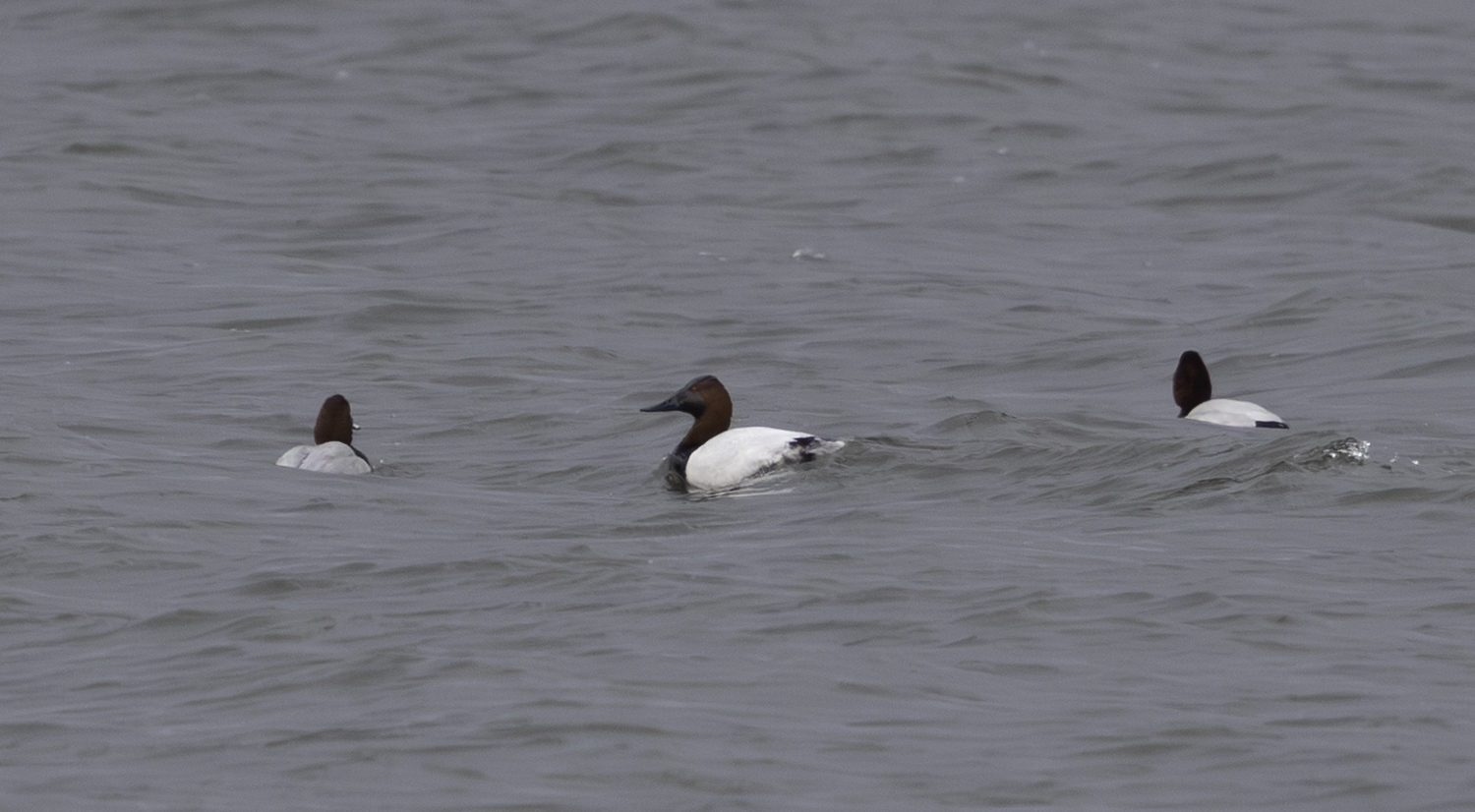
In Ireland, the female Redhead remained on Lough Yganavan (Co.Kerry) on 15th-19th; while in Essex, the drake Canvasback was still present on Abberton Reservoir on 13th-19th.
Ferruginous Duck remained at Holkham Hall (Norfolk) on 13th, at Ryton Pools CP (Warwickshire) on 13th-18th, and at Ballysaggart Lough (Co.Tyrone) still on 18th.
Two Lesser Scaup remained present on Clifton Pits (Worcestershire) on 14th and Ryall Court Pits on 15th, with two also present at Abberton Reservoir (Essex) on 17th-18th. Single birds lingered at Tacumshin (Co.Wexford) on 14th-16th, and on Lough Neagh (Co.Antrim) on 15th; while further sightings came from Ellesmere (Shropshire) on 13th-15th, and Walton Reservoir (Surrey) on 17th.
Around 45 Ring-necked Duck in Britain and Ireland this week represented a small drop on recent weeks, with the peak count being 12 birds on Lough Yganavan (Co.Kerry) on 19th.

In Co.Donegal the first-winter drake Harlequin Duck remained off Curransport on 14th-19th.
A first-winter drake King Eider was seen at Loch Fleet (Highland & Caithness) on 19th.
The drake White-winged Scoter was still present at Port Seton (Lothian) on 13th-19th; the putative second-winter Stejneger’s Scoter was still present in Fife around East Wemyss on 13th-16th and Methil on 18th; and the drake Black Scoter was still at Rossbeigh (Co.Kerry) on 19th.
In the Western Isles, the single Surf Scoter remained off Vatersay on 14th-18th, while one remained at Gullane Point (Lothian) on 14th, and a female was seen on 19th at Long Strand (Co.Cork).
Once more, the best of the weekly waders was the wintering Semipalmated Sandpiper still present at Seafield (Co.Clare) on 17th.
The juvenile Spotted Sandpiper also remained settled at Ballynagaul (Co.Waterford) on 13th-14th.
Ireland also gave us a Long-billed Dowitcher this week, this being the adult still in Co.Wexford at Tacumshin on 14th; while the recent North Ronaldsay (Orkney) bird was once more seen there on 18th. A dowitcher sp was seen briefly on 19th at Banks Marsh NNR (Lancashire & North Merseyside).
Always a treat when the Long-billed Dowitcher returns to @NRonBirdObs, the 1st March being it earliest return date yet pic.twitter.com/laC9qikvmp
— Maddy Hine (@maddyhine280) March 15, 2026
Before we leave Ireland, the Lesser Yellowlegs remained on Rathlin Island (Co.Antrim) on 15th; while the Cornish bird was still at Truro on 13th-18th, and the Denbighshire individual at Rhyl still on 13th-19th.
Best of the gulls this week were Ross’s Gull found in Argyll & Bute at Ganavan on 15th, and Oban on 17th-19th.
The week was once again a busy one for Bonaparte’s Gull, not least in Cornwall where two were seen at Marazion on 15th, one remaining until 19th, and one settled at Hayle on 16th-19th; and in Devon, where sightings came from South Huish Marsh on 13th, Saltram on 14th and 17th, and Otter Estuary NR on 14th-16th. Up on Shetland one was again seen on Unst on 14th; and an adult was present at Quilty (Co.Clare) on 16th.
Two Ring-billed Gull were seen at Blennerville (Co.Kerry) on 13th; one was present at Tralee Bay Wetlands (Co.Kerry) on 15th; further Irish sightings came from Cork Lough (Co.Cork) on 13th-14th, Barnaderg Bay (Co.Galway) on 13th-16th, and Enniskillen (Co.Fermanagh) on 15th still. In Cornwall the adult was again at Hayle on 14th-16th, and the Glen Turret (Perth & Kinross) individual was seen again on 19th.
The adult Kumlien’s Gull remained at Blennerville (Co.Kerry) on 13th. Ten Glaucous Gull across the region included two birds at Fraserburgh (Aberdeenshire) on 15th-16th; and some 20 Iceland Gull were noted.

Lastly, the adult Forster’s Tern began to favour Brownsea Island NT in Poole Harbour (Dorset) this past week, being seen mostly there on 14th-19th.
The juvenile Northern Harrier remained at Cahore Marsh (Co.Wexford) on 19th.
In Wales, the second-winter female Pallid Harrier was once more present at National Wetlands Centre WWT (Carmarthenshire) on 15th-17th, and at Llanrhidian Marsh (Glamorgan) on 18th.
The long-staying Pallid Harrier showed well at Llanrhidian, this evening, and hunting Short-eared Owl gave protracted views (clip in thread) pic.twitter.com/AEyYbszrsr
— Frank Ryan (@LFrankRyan) March 18, 2026
A Rough-legged Buzzard was found in Norfolk near Honing on 18th.
A Black Kite was seen in Kent on 19th at South Foreland.
The merest hint of spring in the air this week, with the recent Hoopoe at Isombridge (Shropshire) still present there on 15th joined in the dailies by another in a Budleigh Salterton (Devon) garden on 16th, and further birds on St Agnes (Scilly) and Skokholm (Pembrokeshire) on 19th.
…and a male Bluethroat at Swineham GPs (Dorset) on 17th.
Meanwhile in Kent the wintering Red-flanked Bluetail remained at Crockham Hill Common on 14th-18th.
Great Grey Shrike sightings came thick and fast from Hampshire, at Pig Bush on 13th-19th, Buckherd Bottom on 14th-15th, Stoney Cross Plain on 14th-19th, Vales Moor on 14th-15th, and Slufters Inclosure on 18th. In Lincolnshire meanwhile the bird remained near Ingham on 13th-19th.
Great Grey Shrike-Pig Bush-New Forest-March 2026. my 03rd on Forest this year (maybe not the 4 in a day as per @LewisStuff) but always a treat to see especially when they decide to show well. pic.twitter.com/iUcrSsTtEi
— Wader-World ?? (@Waderworld1) March 19, 2026
Two Waxwing were seen in East Yorkshire at Goole on 16th; while one was reported as heard only in Sheffield (South Yorkshire) on 16th also.
Both recent Hume’s Warbler remained in Lowestoft (Suffolk) on 13th-19th, and at Lea Marston (Warwickshire) on 13th-19th.
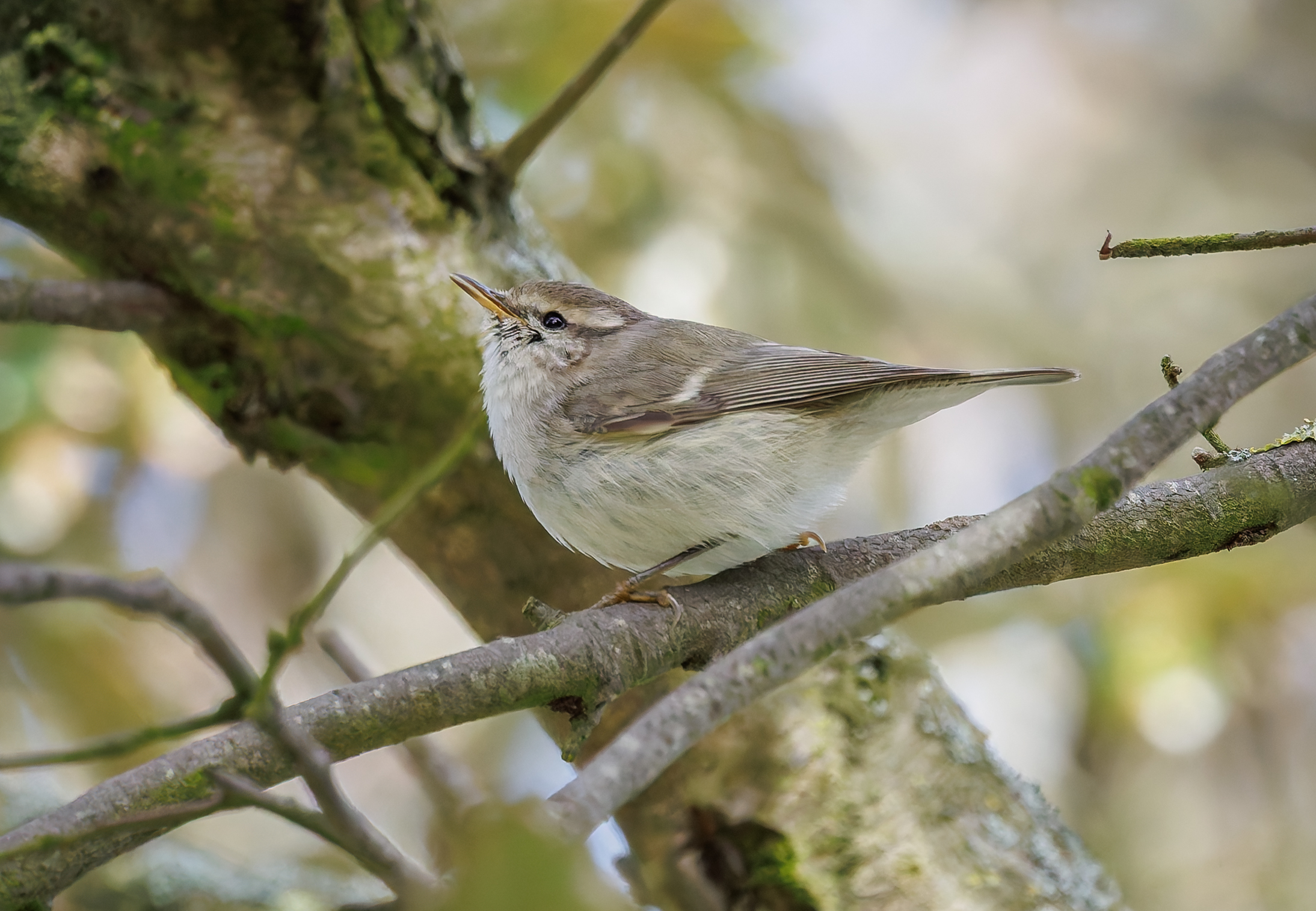
A Yellow-browed Warbler was at Broken Bridges (Wiltshire) on 16th.
In Kent the Pallas’s Warbler remained at Faversham Creek on 14th.
In Cornwall the Dusky Warbler also remained present at Boscathnoe Reservoir on 13th-19th.
A Zitting Cisticola was still to be seen in Suffolk at Walberswick on 18th-19th.
A Serin was seen in West Sussex at Selsey Bill on 19th.
Finally, in Hampshire the Great-tailed Grackle was still in Holbury on 13th-15th and again on 19th, with a male seen in Wiltshire at Whiteparish on 15th-17th, and a probable back in Hampshire in Southampton on 18th; and the probable remained in Lancashire & North Merseyside at Speke Hall on 13th-19th. A singing grackle sp was reported on 18th at Chilwell (Nottinghamshire).
Our overseas news needs to start this week in Portugal where, with timely relevance for events in Suffolk, a Great Black-headed Gull dropped into Golega on 13th-17th. Meanwhile, the male Summer Tanager was still present at Porto on 16th.
In Spain,the Cape Gull continued its residency at Laredo on 13th.
In the Netherlands the Black-faced Bunting remained on Texel on 14th-19th
Denmark’s Dusky Thrush was still present at Refshaleoen on 18th.
In Israel a Verreaux’s Eagle was lingering at Etek Canyon on 13th.
On Cape Verde, Sao Vicente held onto Black-headed Heron and Black Heron until 18th, and Red-billed Quelea still on 17th-19th; the Western Willet remained on Boa Vista on 15th-16th; and a male frigatebird sp was seen off Sao Nicolau on 17th.
Finally, in Mauritania an African Crake was seen on 14th at Nouadhibou.
As we roll into the second half of March, we’re now coming into the territory when it’s not wholly unreasonable to hope for something faintly exotic coming our way. Only last week gave us a shot across our bows with that Bluethroat in Dorset, and similar colourful fare is eminently possible henceforth.
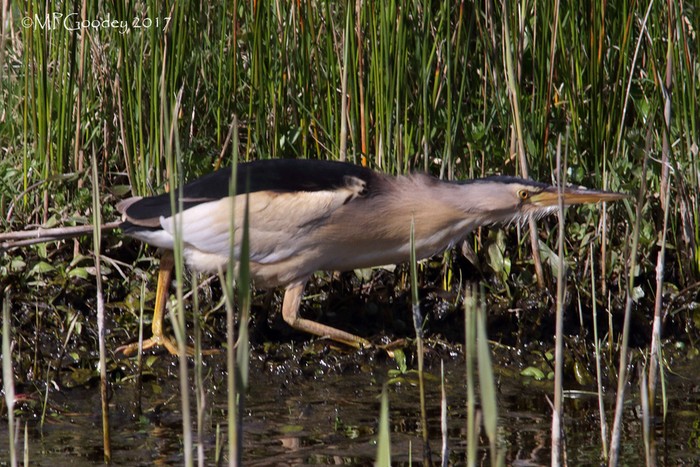
In a good year, we might start to expect some scarce heron action sometime soon. The coming week has some form for Little Bittern, with five past records on the books. No complaints for anyone finding one of these compact beauties on their local patch…
Jon Dunn
20 Mar 2026
Many thanks to all this week's contributors for your photos and videos and to everyone who contributed throughout the year.
Get Breaking Birdnews First
Get all the latest breaking bird news as it happens, download BirdAlertPRO for a 30-day free trial. No payment details required, and get exclusive first-time subscriber offers.
Share