Weekly birding round-up: 4 - 10 Oct 2022
What a week we’ve just had… a couple of national firsts, one apiece for Britain and Ireland; a county first; a retina-burning adult male oriole; and some of the best self-found birding for many a long year. And a supporting cast of genuine quality too that combined the classic October elements of east meeting west.
October. You’ve just gotta love it.
Which is better, Scilly or Shetland? It’s a good-natured debate that’s rumbled on for years now and, really, the answer is neither.
(Or maybe it’s Yorkshire...)
They both have their ups and downs, their pros and cons, their capacity to deliver moments of the purest birding euphoria and the most intense, crushing despondency. In their own respective ways they’re both either easier or harder to work and find your own birds, both can be an expensive proposition to visit, and both remain enduringly magnetic for the rarest of the rare birds. Like heavyweight boxers trading punch-drunk blows, for decades they’ve both turned up firsts for Britain with joyous regularity.
The orthodoxy, of course, is that Scilly is where the colourful stuff comes from – the best of the west, the Nearctic birds that come once or twice in a lifetime, if that. That’s what they say. Shetland’s all about the little brown jobs from the east, and the flashy Nearctic megas are the preserve of Scilly.
Maybe that was the case a few decades ago. Maybe it was never true at all, and merely reflected observer effort in Scilly vis-à-vis elsewhere back in the day. But the times they are a-changing. Look at the birds the Western Isles have turned up in the past 20 years. And Shetland… Shetland has its moments too, with Catharus thrushes becoming pretty much annual there, and an array of mouth-watering attractive warblers too - Cape May, Tennessee, Magnolia, and Myrtle. And more of the latter anon…
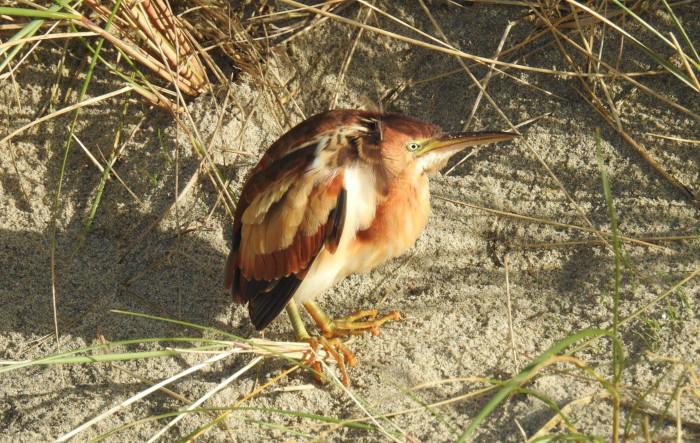
But it’s not just about the passerines. This week Shetland provided its answer to Scilly’s first-for-Britain Great Blue Heron of 2015 in the form of a much more compact member of the Ardeidae – the Fabergésque perfection that was Britain’s first Least Bittern.
Was. Note the past tense. This isn’t a story with a happy ending… but it started well, and concluded with the best of intentions.
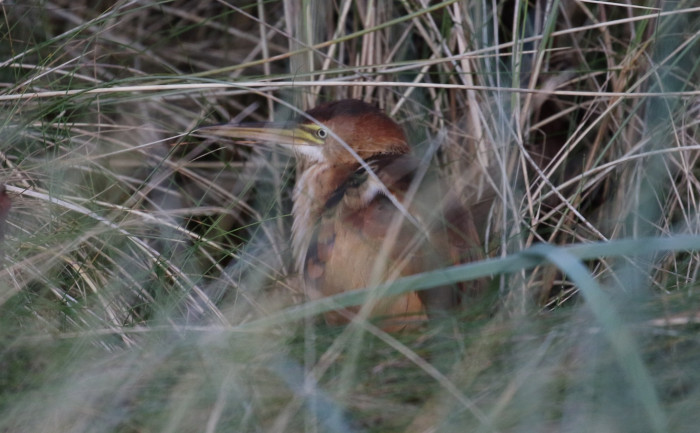
Found by Charlie Birtles in the small, sheltered sandy car-park at Scousburgh Sands in the south Mainland in the afternoon of 7th, news broke quickly once her partner Paul Baker had dashed back from the nearby Myrtle Warbler to confirm the identification (just imagine the tension of that short drive!), and birders across Shetland were scrambling. When had a Shetland bombshell last dropped with this sort of magnitude? Probably the day Judd Hunt found Britain’s first Siberian Accentor just a couple of miles away from Scousburgh.
On this day my missus found a 1st for Britain. What started as a picture resulted in the longest 20mins of my life as she raced to pick me up so I could ID. Least Bittern found at Spiggie Beach/Scousburgh Sands. A moment in history, well done Charlie. @BirdGuides @RareBirdAlertUK pic.twitter.com/2SKzxA1Knc
— Paul Baker (@Bakersbirding) October 7, 2022
That bird was in fine fettle, but the same couldn’t be said of the Least Bittern. Visibly weak, it remained on show for long enough for a small crowd to assemble but, as the afternoon wore on, the decision was made to take the bird into care. Birders meanwhile continued to arrive and saw the bird in the hand before it was taken to Lerwick for the night...
It was a day of high drama for me yesterday as I spent the day on Fetlar but came off mid PM & was driving back in N Shetland when the Least Bittern news broke I was the last new person to see the little wonder in the wild before it was taken into captivity & sadly died overnight pic.twitter.com/8pwLKqlpaf
— Ray O'Reilly (@OreillyReilly2) October 8, 2022
And then, in the morning of 8th, the news nobody wanted to hear. It had died overnight – weighing just 50g, significantly lighter than the species’ average bodyweight of 86g. A transatlantic crossing is no small thing for any bird, and we’ve ample precedent for it taking a toll on Least Bitterns - Ireland’s one and only record, found on 7th October 2019 at Farranfore (Co.Kerry) was also destined to expire in very short order; and the Western Palearctic’s 10 other records, one in Iceland and nine in the Azores, have all been dead or moribund upon arrival.
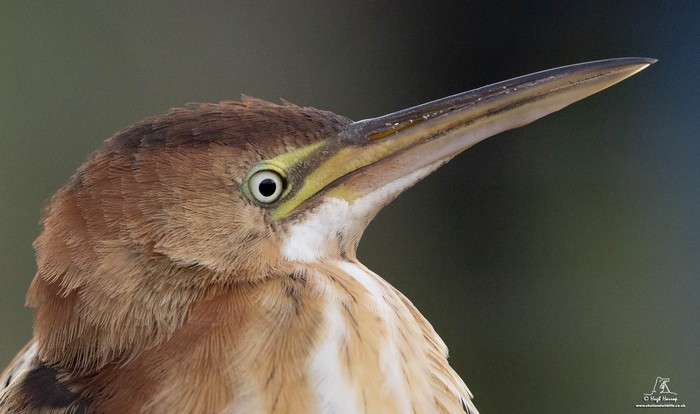
Still, that’s two records for Britain and Ireland in the past three years. Maybe the next one for Britain or Ireland won’t be long behind, and may pitch down with a little more body mass and at the edge of some stickleback-filled freshwater rather than in sand dunes.
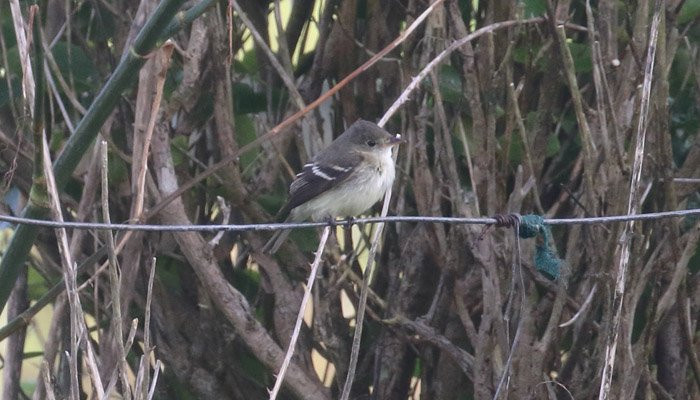
Britain’s been thoroughly spoiled in the past 15 years with Empidonax flycatchers, from our first Alder Flycatcher at Nanjizal Valley (Cornwall) on 8th-9th October 2008 to our first Yellow-bellied Flycatcher on Tiree (Argyll & Bute) on 15th-23rd September 2020, via the Dungeness (Kent) Acadian Flycatcher on 22nd September 2015. It’s been brilliant – and unjustly so if you happen to be an Irish birder, sitting hundreds of miles closer to all those Empids’ point of origin in North America.
It was just a case of when rather than if an Empidonax of one flavour or another would be found somewhere in Ireland. That’s easy to say, but the wait was getting to be interminable…
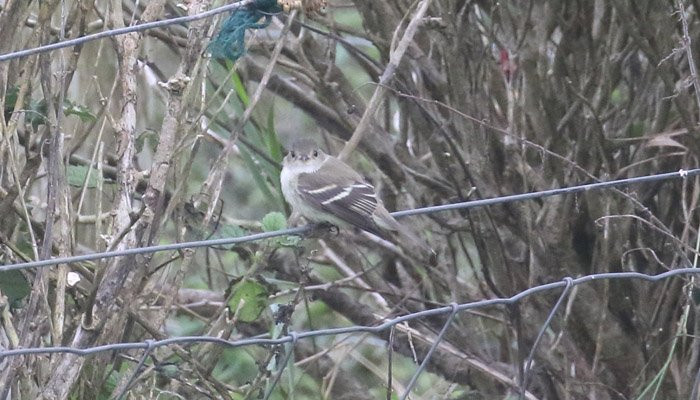
Until, that is, this week and the discovery by Steve Millar and Tom Buckley of an Alder Flycatcher on Inishbofin (Co.Galway) on 8th. Still present on the island on 10th, it’s probably not the Willow Flycatcher British birders who keep a British & Irish list are keenly waiting for. Which will matter not an iota to any Irish birder, happy at last to have an Empidonax of any kind to call their own.
All good things come, as they say, to those who wait, and British mainland-based birders had been waiting some time for something decent that wasn’t either on an island, or in another country entirely. As the week drew to a close, the omens were looking good for something to be borne in overnight or in the early hours of 10th…
Here they come UK birdwatchers! Strong departure of birds on bird radar in the Waddensea. All heading towards UK, #migration, @trektellen, @barthoekstra pic.twitter.com/32NVif7WRY
— Hans van Gasteren (@hvangasteren) October 9, 2022
Late in the morning of 10th the mega alert was a-chirping with the breaking news of a Yellow-browed Bunting trapped and ringed at Sandwich Bay (Kent). That certainly ticks a few boxes – a county first for starters, but also within ready striking distance of those birders who’ve not decamped to Scilly or Shetland. And something of a blocker, too, as our last autumn record was way back in 1994 on Scilly, the fine male bird that spent 19th-22nd October on St Agnes.
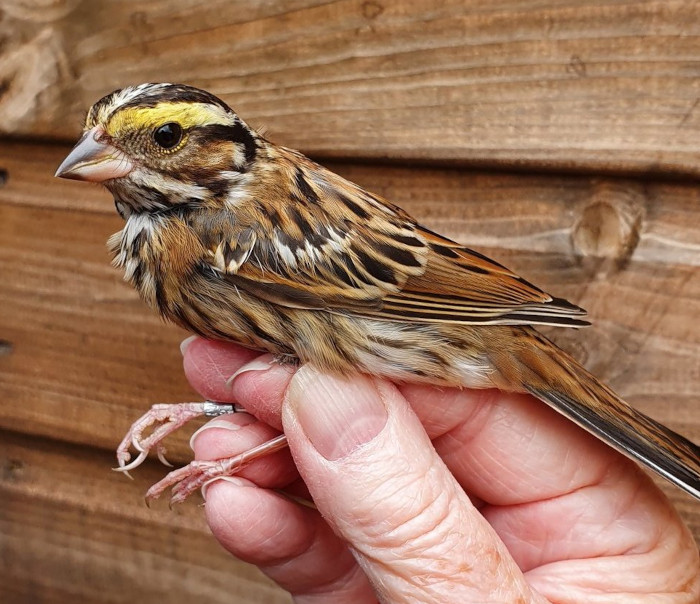
After that bird, Britain’s fourth, we’ve just had one further example of the species, and not the most accessible – a spring record on Orkney’s Hoy on 4th-5th May 1998. Indeed, every Yellow-browed Bunting since Britain’s first, a one-day bird at Holkham Meals (Norfolk) on 19th October 1975, has been offshore – so, for those not inclined to throw the chequebook at their twitches, the breaking news from Kent was significant.
Significant, but not necessarily good news as, in the hours that followed the birds release, no further sign of it was forthcoming. The wait for a readily twitchable bird goes on after all.
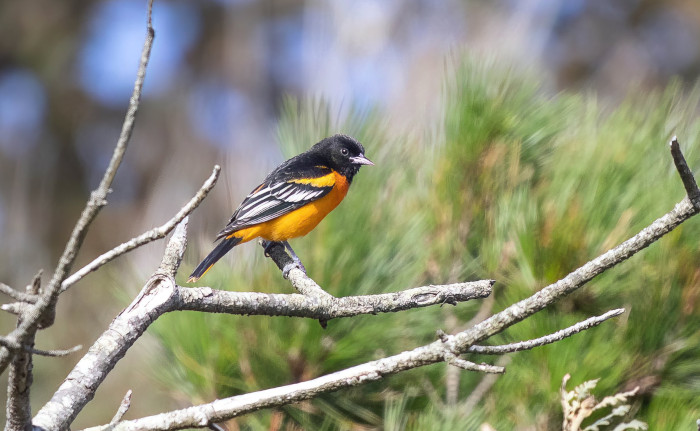
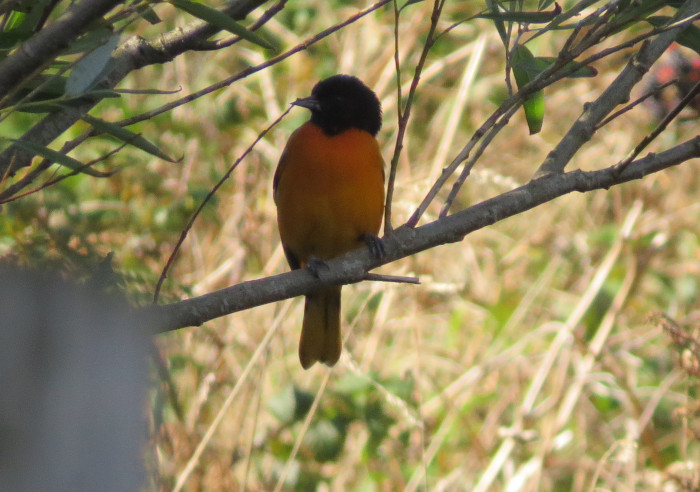
Devon, and Lundy specifically, is no stranger to Baltimore Orioles - of the 25 accepted British records post-1950, three of them were found on the island.
This said, they were all a while ago… The first, an immature female, lingered on the isle from 2nd-10th October 1958, an obliging individual that allowed itself to be trapped not once but twice during that stay. Then, remarkably, on 17th October 1967 two birds were found on Lundy – one of which, sadly, was freshly dead on arrival, found by Cliff Waller partially consumed that morning. The rollercoaster of emotions is hard to imagine when that was followed, in the afternoon, by the trapping and ringing of a live bird.
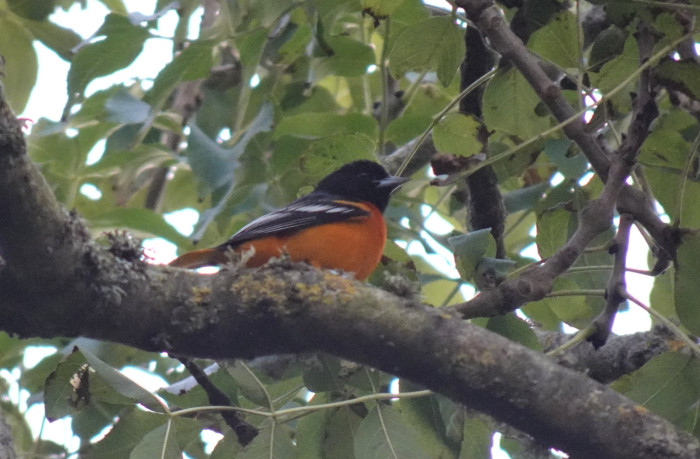
Half a century is a long time to wait for another bird, but Lundy’s patience was amply rewarded by the simply stonking example found on there by Angus Croudace this week on 8th – a truly eye-watering adult male bird.
Still can’t quite believe it! Fantastic views of the Baltimore Oriole in Millcombe Valley this afternoon. A stunning bird and an unreal find by fellow volunteer, Angus! @LundyBirds pic.twitter.com/MODGz2Umy6
— Tom Wright (@tom_wright16) October 8, 2022
Alas for the birders who chartered to get on there the following day, there was no sign of it on 9th. For a while, news emanated from the island that the bird had been taken by a Sparrowhawk, leaving a sad puff of feathers in its wake… and then, as those feathers were examined more closely, the narrative changed – the victim was a Robin but, nonetheless, of Lundy’s and Devon’s fourth Baltimore Oriole, there was no further sign to be had.
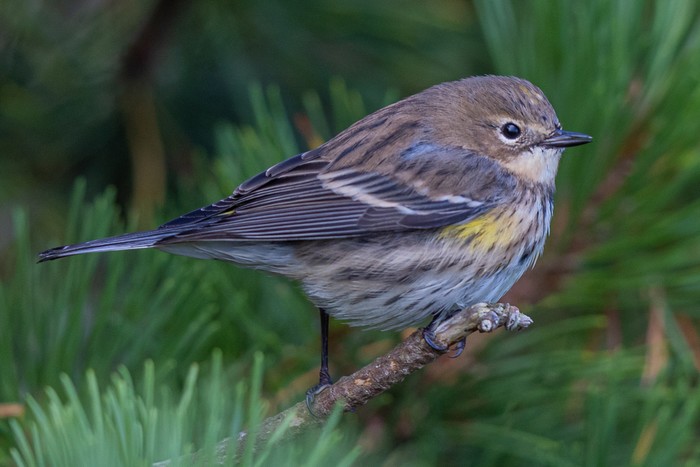
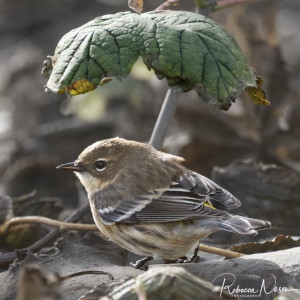
There are, it has to be said, rarer American warblers than Myrtle Warblers. Then again, there are few more attractive American warblers than a Myrtle Warbler - they’re neither too lairy nor Blackpoll-ishly understated.
But who’d complain about being the finder of any Nearctic warbler on this side of the pond? Nobody, I’d wager. They’re the stuff of dreams over here. I’m sure we’ve many of us idled away a long hour or ten birding fruitlessly in a Scillonian lane or a Cornish valley hoping to bump into one. It doesn’t happen though, does it, or at least only once in a blue moon.
Let alone on Shetland – sure, Shetland’s had its share of Nearctic warblers down the years, but it can’t compete for sheer volume with Scilly. Them stats don’t lie – when it comes to, say, Blackpoll Warblers, Scilly’s 24 prior accepted records blow Shetland’s paltry four clean out of the water. Shetland’s not the place to entertain realistic American warbler-finding dreams.
And yet, funnily enough, Shetland does hold its own where Myrtle Warblers are concerned, with four past accepted records nipping at the heels of Scilly’s five prior birds to the end of 2020…
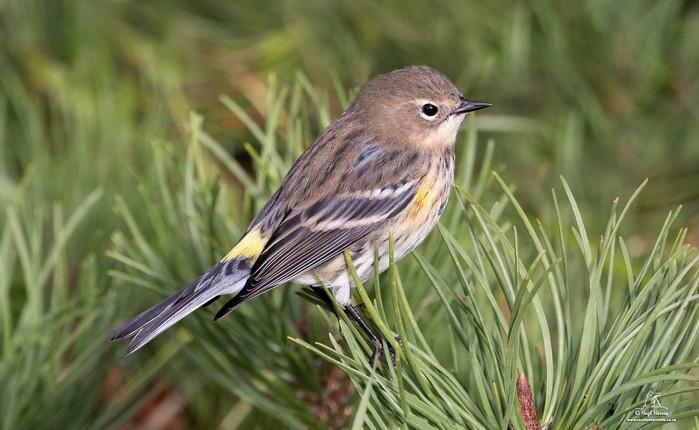
Not that Myrtle Warbler would have necessarily been on Graham Etherington’s radar when he set out to bird the Maywick road in Shetland’s south Mainland in unpromising conditions on the morning of 5th. His account of finding Shetland’s fifth Myrtle Warbler makes for gripping reading, and underlines why so many of us keep going in Shetland no matter what the weather – you just never know what lies around the corner.
Oh my God!!! I've found a MYRTLE WARBLER on #Shetland today. All those days of resisting chasing other people's birds and trying to find my own really paid off today #Mega pic.twitter.com/euPCYv9mme
— Graham Etherington (@BritishBirder) October 5, 2022
What’s definitely not around the corner is lightning striking twice within almost a stone’s throw of the first hit. Having waited years to find an American wood warbler in Britain, Graham went and did it again just two days later by finding a second Myrtle Warbler nearby. His first bird stuck around on 5th-7th; the latter bird, found on 7th, saw the week out until 10th near Bigton.
This is absolutely BONKERS! I've just found another one!!!!! pic.twitter.com/MkMOO6pY6f
— Graham Etherington (@BritishBirder) October 7, 2022
An incredible spell of birding by any standards, and testament to putting in the hours and miles over the years. Nonetheless, one hopes Graham’s buying a Euromillions ticket this week…
Turns out, this week, that October is the new August where seabirds were concerned – a host of species that we’re more accustomed to seeing in the late summer dailies, amongst them some rarities of substance, were seen in recent days.
Foremost amongst those were not one but two Barolo Shearwaters logged passing Bridges of Ross (Co.Clare) in the evening of 5th. Traditionally August is very much the month of choice for prior Irish records of the species, accounting for 20 of the 26 accepted records to date, and none sit on the books from October – that may now be set to change.
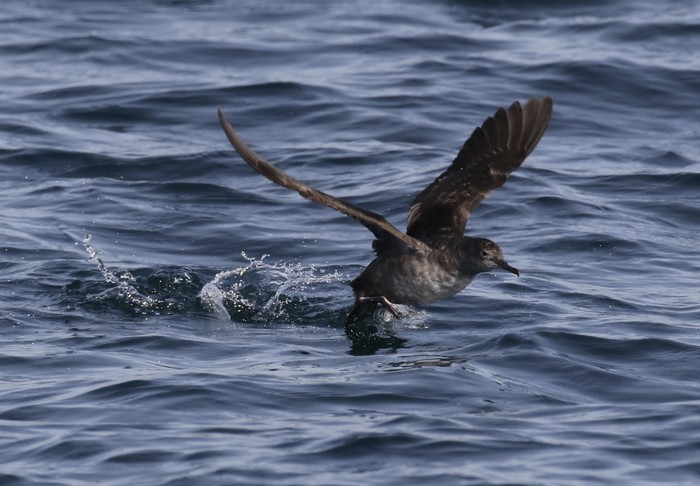
Large shearwaters were positively numerous, not least off Scilly. Overall, some 3,500 Great Shearwaters were noted nationwide this week, with approximately 2,500 seen from St Mary’s alone on 4th; while the Scilly pelagic of 6th contributed 350 of the 800 or so Cory’s Shearwaters reported during the week. Devon remained the traditional hotspot for Balearic Shearwaters, with a peak count of 270 birds coming from Dawlish Warren NNR on 4th the best of the 1,200 birds logged nationally over the week.
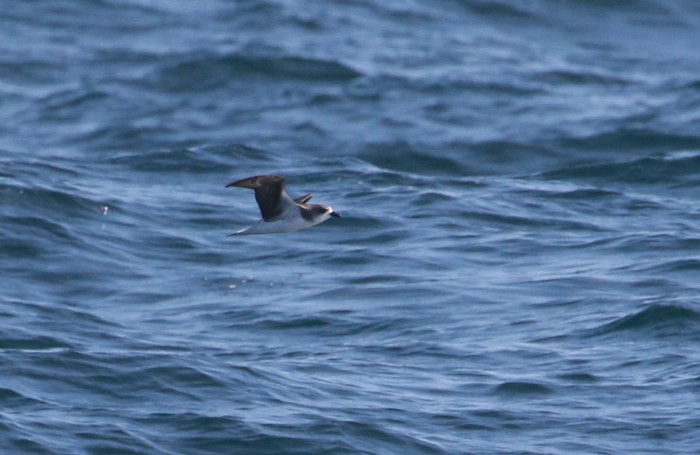
But back to that Scilly pelagic of 6th… Large shearwaters were the very least of it, for a Fea’s / Desertas Petrel put in an appearance too. Another probable bird was tracked along the Suffolk coast between Southwold and Corton in the morning of 9th.
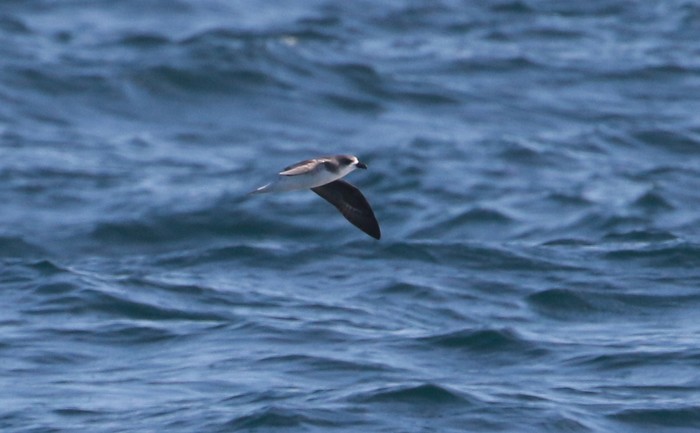
No Wilson’s Petrel for them to complete the late summer experience, but nonetheless we had a couple of records this week – a bird seen passing Bridges of Ross (Co.Clare) in the morning of 7th, and another from Lewis (Western Isles) on 10th.
Bridges of Ross also enjoyed the best of the 100 Leach’s Petrels logged nationally in recent days – 52 birds were seen from there on 5th.
Some 55 Pomarine Skuas and 25 Long-tailed Skuas provided further seawatching variety – most were ones or twos, but Lewis (Western Isles) racked up 10 Poms on 10th; and trios of the latter species were seen from Bridges of Ross on 5th and Lewis (Western Isles) on 9th.
Single Little Auks were seen from Ramore Head (Co.Antrim) on 6th, and Papa Westay (Orkney) on 8th.
The biggest news this week was, of course, the very smallest of long-legged beasties in Shetland, but it was far from the only bird of note in the islands – a modest national influx of Glossy Ibises had its representatives in Shetland too, with six birds on Unst on 5th appearing to disperse and account for subsequent records on Fetlar on 6th, and Yell on 7th.
??1st for Yell??..... Just scored a Glossy Ibis on my patch. About time Yell got in on the 'Ibis' action up here! ?????? #Shetland #Burravoe #yellbirding @NatureInShet @BirdGuides @RareBirdAlertUK pic.twitter.com/BF9v1zRxKq
— Dougie Preston ?????????????? (@DougiePreston) October 9, 2022
A further Scottish record came from Lewis (Western Isles) on 8th, while a shade over a dozen birds seen in Ireland spoke volumes about the reach of these wanderers this week. Overall, some 50 birds were reported nationwide including, as ever, the steady party of nine birds still present in Cambridgeshire at Mare Fen LNR on 4th and Berry Fen again on 8th.
The recent juvenile Purple Heron was once more seen at Martin Mere WWT (Lancashire & North Merseyside) on 5th-7th. Another was found in Kent at Seasalter on 9th, while in Lancashire & North Merseyside a report came that day from Marshside RSPB too.
Finally, a Corncrake was found on Fair Isle (Shetland) on 4th.
Moving on to the honkers and quackers, and a gradually expanding host of species…
Two
The Mullet (Co.Mayo) was proving attractive to Snow Geese with a white morph bird seen at Termoncarragh Lough on 4th-5th and over Dún na mBó on 7th; and a blue morph individual at the latter site on 6th-8th. By 10th both birds were present at Dún na mBó. A further possible bird was reported from Hesketh Out Marsh RSPB (Lancashire & North Merseyside) on 8th.
Starting the quackers with an eyebrow duly raised, a Marbled Duck was present at Woodhall Spa Airfield LWT (Lincolnshire) on 6th, having been present there since 27th September. Will it find much favour? Precedent, at least, would suggest not.
In London the juvenile drake Blue-winged Teal remained at Fairlop Waters CP on 4th-6th.
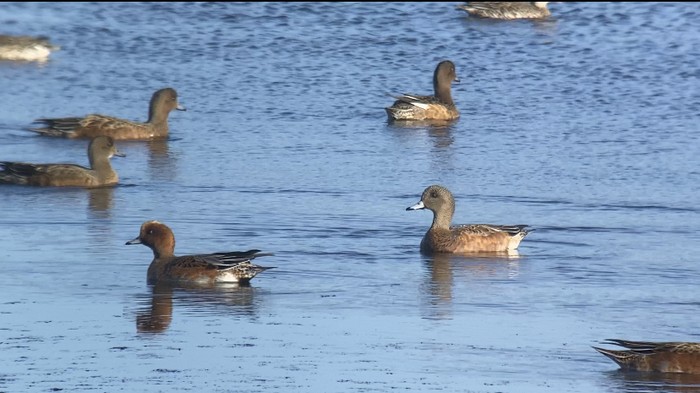
Drake American Wigeon remained on Grafham Water (Cambridgeshire) on 4th-10th and Inishmore (Co.Galway) on 6th-8th; another was found on 9th-10th at Marshside RSPB (Lancashire & North Merseyside).
The first-winter drake Ferruginous Duck was again seen on Draycote Water (Warwickshire) on 4th-6th; and a female on Belvide reservoir (Staffordshire) on 6th also.
The westerlies that bore us some of the week’s notable highlights also ushered in a small arrival of Ring-necked Ducks. Birds remained on Achill Island (Co.Mayo) on 4th-10th and Lewis (Western Isles) on 4th-5th; and were joined in the news by one on Inishmore (Co.Galway) on 6th rising to two birds there on 8th; two at Wellington CP (Hampshire) on 7th; and single birds in Shetland on Foula on 7th and at Eshaness on 8th-9th, at Hornsea Mere (East Yorkshire) on 8th, on Durnesh Lough (Co.Donegal) on 8th, on Tophill Low NR (East Yorkshire) on 9th, at Lower Talley Lake (Carmarthenshire) on 9th, and on Loch Leven (Perth & Kinross) on 10th. A further report came from Devon’s Meeth Quarry DWT on 5th.
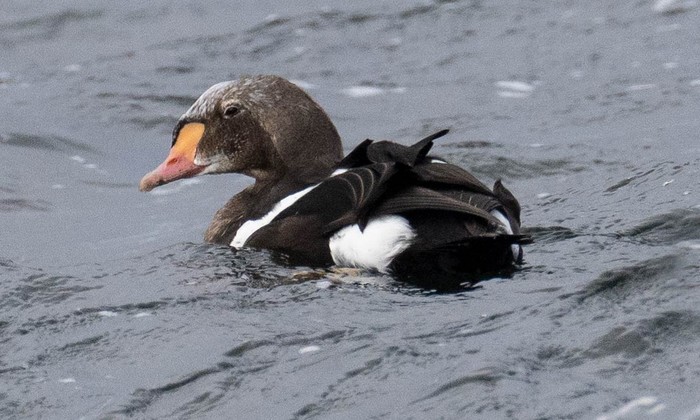
In Shetland the mobile drake King Eider continued to flit between Wester Quarff and Scalloway Harbour on 4th-8th.
The Northumberland drake Black Scoter was still to be seen from Cocklawburn Beach on 4th-10th. Drake Surf Scoters were seen in Sound of Taransay (Western Isles) on 4th and from Ben Head (Co.Meath) still on 8th.
Finally, our honorary wildfowl Pied-billed Grebe was once more noted on Loch Feorlin (Argyll & Bute) on 8th.
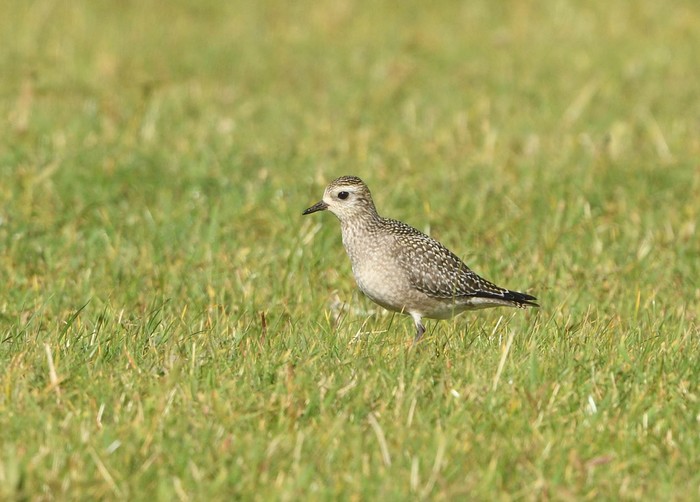
Needless to say, persistent westerlies brought waders with them this week. Numbers of American Golden Plover alone broke into double figures, with 15 birds reported in Britain and Ireland, including two together at Llanrhystud (Ceredigion) on 9th.
Cornwall scored a fine brace of Lesser Yellowlegs on 7th-10th on the Hayle Estuary. Another remained at Saltholme RSPB (Cleveland) on 4th-10th.
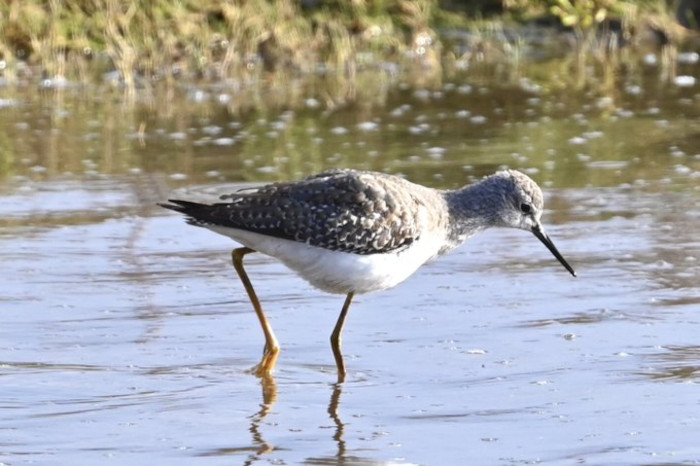
A Long-billed Dowitcher was trapped and ringed at Aber Ogwen NR (Gwynedd) on 8th, with another found on 9th at Caistron NR (Northumberland). Another dowitcher sp was present at Kilmore Beach (Co.Kerry) on 7th.
A fine array of Nearctic sandpipers were seen lately too. Starting in Co.Mayo, Achill Island hosted a Semipalmated Sandpiper on 4th-6th.
Baird’s Sandpipers were seen at Tacumshin (Co.Wexford) on 5th; Meikle Loch (Aberdeenshire) still on 6th, and Ballycotton (Co.Cork) on 6th also; at Kilmore Beach (Co.Kerry) on 7th; and over Farlington Marshes HWT (Hampshire) on 8th.
Farlington Marshes HWT also held onto the recent Spotted Sandpiper on 4th, with the bird again there on 6th also; while another was found on St Kilda (Western Isles) on 7th.
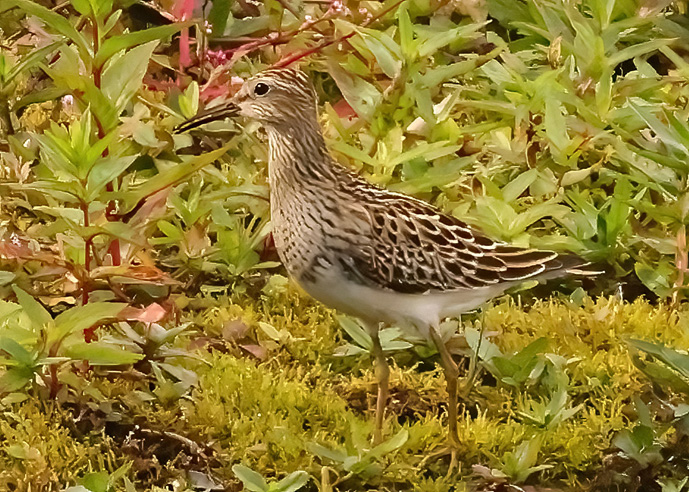
As we’d expect, numbers of Pectoral Sandpipers were still solid, with 18 birds recorded in Britain and Ireland as a whole this week. Mostly singletons, two settled birds proved a popular exception at Idle Valley NR (Nottinghamshire) still on 4th-7th.
Lingering Buff-breasted Sandpipers remained on North Ronaldsay (Orkney) on 4th and Dinas Dinlle (Gwynedd) on 5th-7th. New birds were seen on 5th-6th on Fetlar (Shetland); on 7th and 10th on Tiree (Argyll & Bute); and on 8th-9th at Marshside RSPB (Lancashire & North Merseyside) and Tacumshin (Co.Wexford).
In Somerset the German-ringed female Kentish Plover continued her sojourn at Burnham-on-Sea on 4th-7th.
A wayward Dotterel was seen out on Cape Clear (Co.Cork) on 6th-7th.
A late Red-necked Phalarope was present on North Ronaldsay (Orkney) on 7th-10th. Phalarope news, however, really belonged to Grey Phalaropes this week with good numbers logged in promising conditions – around 200 birds in all were reported, bolstered in particular by high tallies from Bridges of Ross (Co.Clare), where sea-watches racked up counts of 25 birds on 5th, and 39 birds on 7th.
A final shorebird flourish for the week came courtesy of North Ronaldsay (Orkney) on 10th with the discovery of a Great Snipe there.
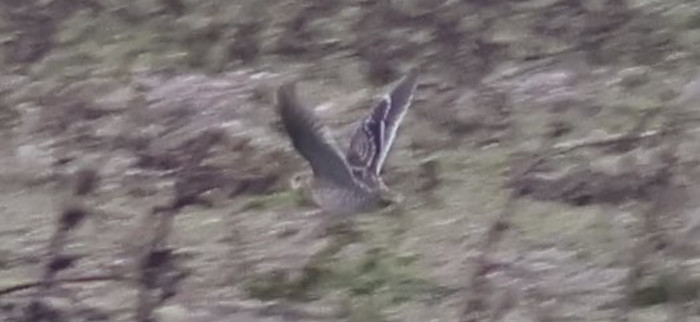
Where Grey Phals went, for once, Sabine’s Gulls didn’t follow – some 20 birds were logged this week, representing a solid but not exceptional haul. Two sites enjoyed multiple daily counts – Bridges of Ross (Co.Clare) notched up three birds on 5th and four birds on 7th; and four birds were seen from Pendeen (Cornwall) on 5th. On 10th an inland bird pitched down at Pitsford reservoir (Northamptonshire).
An adult Bonaparte’s Gull put in an appearance at Rough Point (Co.Kerry) on 8th-10th.
Barely half a dozen Glaucous Gulls were seen this week – settled birds in Lerwick (Shetland) still on 4th-10th and Coleraine (Co.Derry) on 4th-8th still; and additional sightings at Grutness (Shetland) on 4th, North Uist (Western Isles) on 4th, and Colonsay (Argyll & Bute) on 5th.
However, just one Iceland Gull was seen lately, on Foula (Shetland) on 6th.
In Co.Louth the regular Forster’s Tern remained at Soldier’s Point on 4th-10th.
The week’s raptors were a pleasingly varied bunch and, foremost amongst them, was the report of the adult Egyptian Vulture near Athlone (Co.Westmeath) again on 9th. Last reported from the area on 6th May, we wondered not so long ago in these columns if it would do a Double-crested Cormorant and come back out of the woodwork once more. As autumn unfolds into winter and some autumn leaves (and sheep) start dropping, maybe it will become a more regular feature in the daily reports again.
Before we leave Ireland, it also supplied us with a possible Gyr seen heading south over Ballinskelligs (Co.Kerry) on 8th.
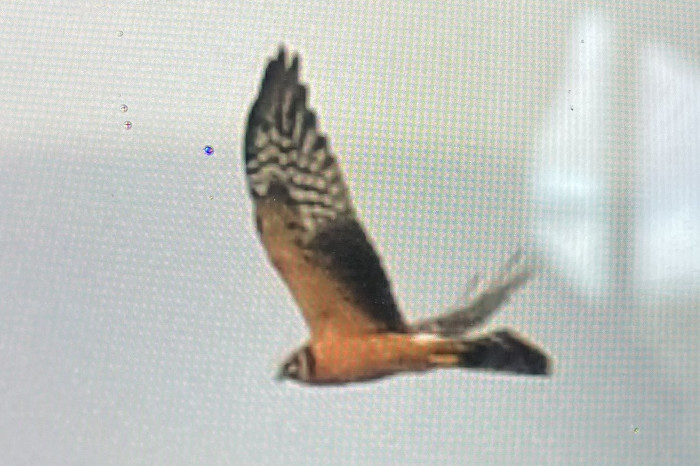
A handful of Pallid Harrier were seen this week in Britain, widely scattered – the recent juvenile female remained around the St Medan Golf Course (Dumfries & Galloway) on 4th-5th, and again on 10th; and further juveniles turned up near Kirkwall (Orkney) on 7th and over Radipole Lake RSPB (Dorset) on 8th. Another probable juvenile was seen in Norfolk near Edgefield on 4th, and a final probable on 10th in Kent at Seasalter.
Norfolk did well for sightings of Rough-legged Buzzard, with reports coming from Warham Greens on 4th, and around Wells on 4th and again on 7th-8th. Another bird, further up the east coast, was seen at Filey (North Yorkshire) on 6th-8th.
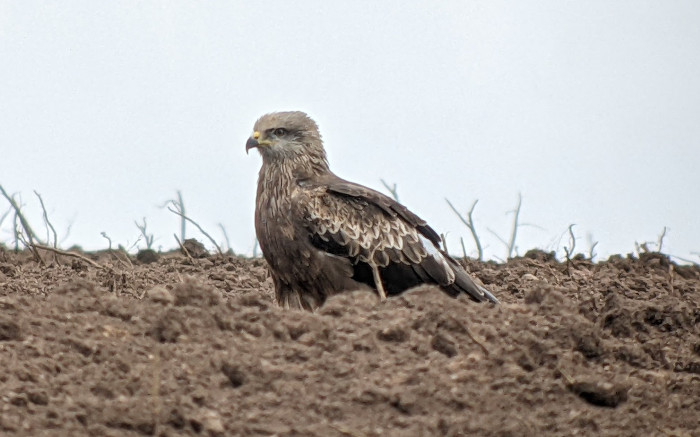
A Black Kite was seen initially at Higher Bosistow and latterly Crean (Cornwall) on 8th, and again on 9th-10th near Polgigga before, late on 10th, the news came that it was bearing a transmitter and was presumably an escape.
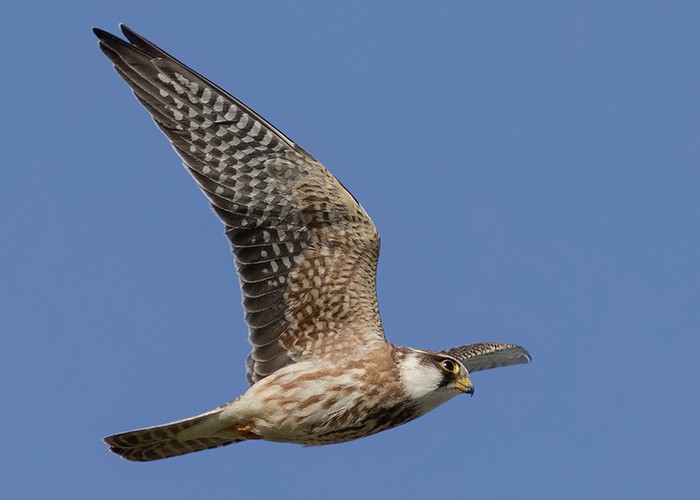
Over in Kent at least one Red-footed Falcon was present at Elmley NNR on 4th-9th still, with two birds confirmed there on 6th. Norfolk gave us further sightings at Potter Heigham on 6th and Hickling Broad NWT again on 8th.
And so to the sharp, pointy end of proceedings at this time of year – the passerines.
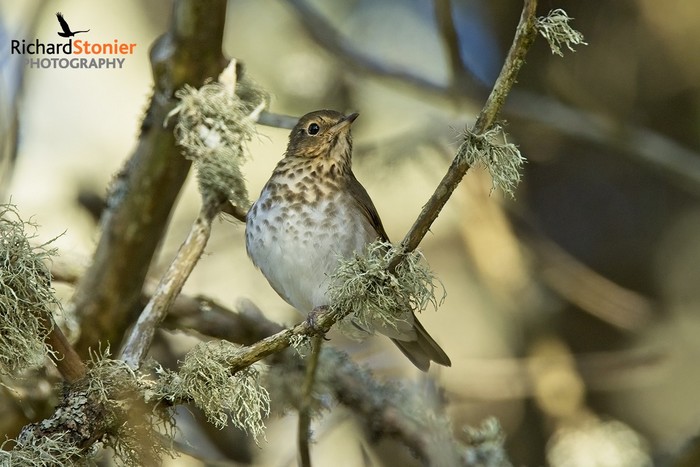
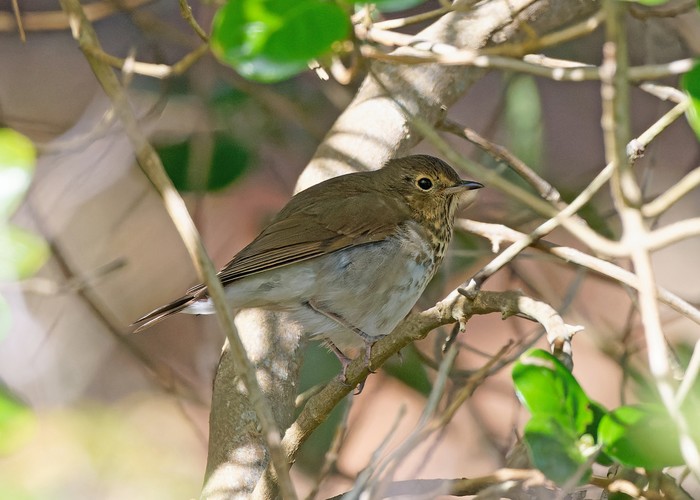
Scilly’s faithful were rewarded with a fine and showy Swainson’s Thrush on Tresco on 6th-10th. Another bird was found in Co.Mayo at Dún na mBó on 7th.
Shetland’s already enjoyed one of those Catharus lately, so the discovery of a chunkier thrush altogether in Lerwick on 9th-10th was a welcome diversion – there’s nothing quite as lovely as the substantial spangled form of a White’s Thrush bobbing and shuffling around in front of one.
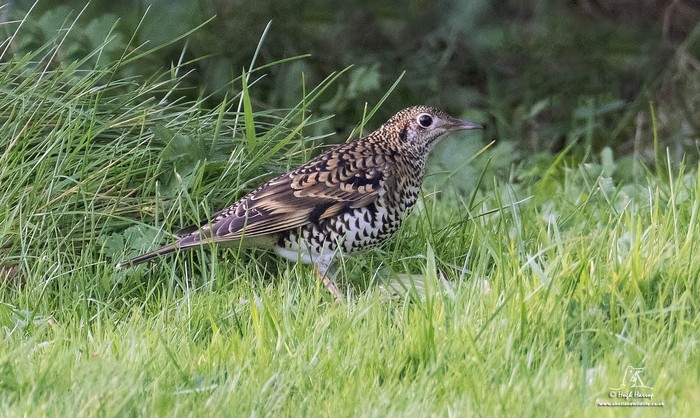
It’s the time of year when we’d hope, not least in Shetland, to be knee-deep in notable warblers, but that wasn’t quite the case this week. That said, there were some decent birds on offer – just not very many of them. Starting in Shetland, a Lanceolated Warbler proved a popular draw for visitors at Wester Quarff on 4th…
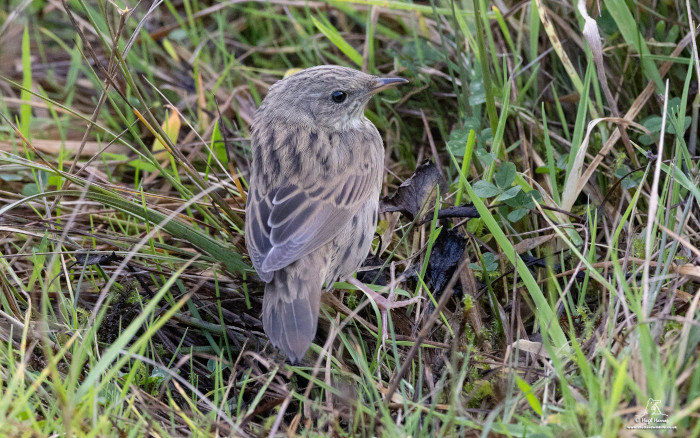
…while the Pallas’s Grasshopper Warbler out on St Kilda (Western Isles) on 4th-10th still was leading a much quieter existence altogether, and affording extraordinary views to the few birders on the island.
Much more confiding today in the afternoon sunshine ??
— St Kilda Rangers (@StKildaNTS) October 9, 2022
Such a privilege having this wonderful Pallas's Grasshopper Warbler still on #StKilda, a rare Siberian vagrant that seems to be doing quite well in the iris beds here. @HebridesBirds @BirdGuides @N_T_S @global_birding pic.twitter.com/5WTtOQfM8d
The Radde’s Warbler was once more seen on Papa Westray (Orkney) on 4th. It took until 9th for any more to be found – one on St Mary’s (Scilly), and another trapped and ringed on Portland (Dorset).
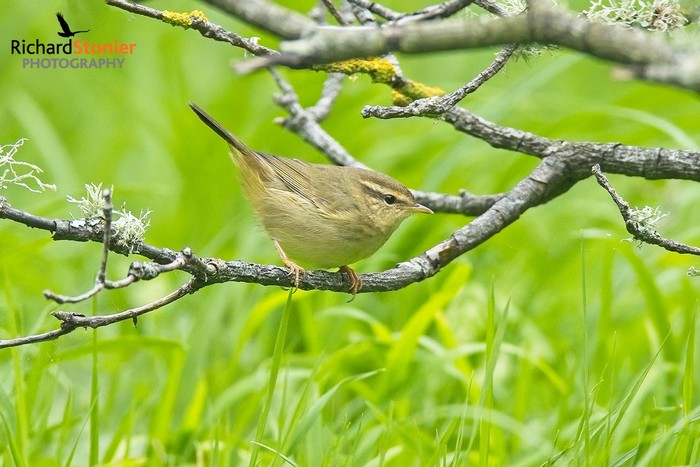
A Greenish Warbler on St Agnes (Scilly) on 4th-8th may have elicited covetous glances at the news coming out of Germany’s Heligoland this week; another probable bird was seen at St Agnes (Cornwall) on 6th.
Some 160 Yellow-browed Warblers nationwide spoke volumes about how few passerines were, on the whole, reaching us from the east this week.
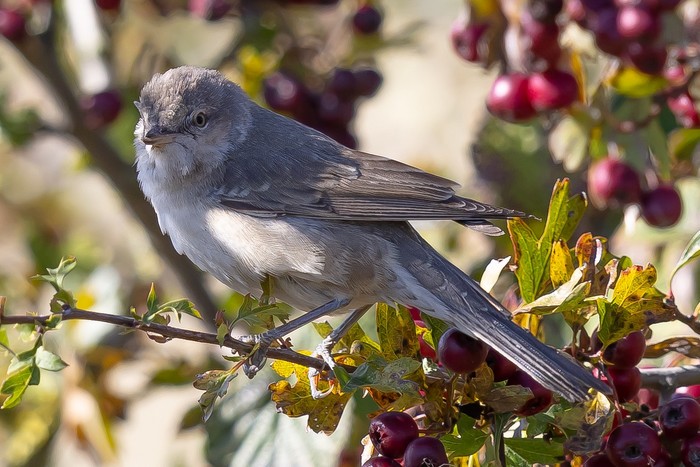
Likewise, Barred Warblers proved to be in short supply – birds being noted lately in Shetland on Lunna still on 4th-8th and Unst on 4th-10th; in East Yorkshire around Kilnsea still on 4th-10th and at Bempton Cliffs RSPB on 4th-8th; on Ramsey (Pembrokeshire) on 6th; at Climping (West Sussex) on 8th-10th; and Flamborough (East Yorkshire) on 10th.
On Unst (Shetland), the recent Blyth’s Reed Warbler remained present on 5th-8th; another was found on Lewis (Western Isles) on 7th-10th.
A Melodious Warbler arrived on Skomer (Pembrokeshire) on 6th-8th.
A handful of Bluethroats were almost the exclusive preserve of Shetland, the exception being one in Orkney on Westray still on 4th. The Shetland contingent were seen on Unst still on 4th-5th; on Fair Isle still on 4th-7th, and 10th; and on Mainland at Isbister on 5th-6th and Quendale on 6th.
The eastern stonechat sp remained at Quendale on 4th-7th still.
The sole Red-breasted Flycatchers of the week were a bird in Kent at Dungeness on 6th, and another on Shetland Mainland at Voe on 10th.
A Citrine Wagtail was reported from Marazion Marsh RSPB (Cornwall) on 6th; a probable Eastern Yellow Wagtail proved elusive at Sand Voe (Shetland) on 7th; and a probable Grey-headed Wagtail was trapped and ringed on Skokholm (Pembrokeshire) on 5th.
The Pechora Pipit at Hillswick (Shetland) continued to draw attention on 4th-5th.
Shetland also played host to a handful of Olive-backed Pipits, these being birds on Out Skerries still on 4th-7th, at Levenwick still on 5th, and at Swining on 5th, Brae on 7th-8th, and Fair Isle on 7th-8th. Scilly got in on the act with a bird on 10th on St Mary’s.
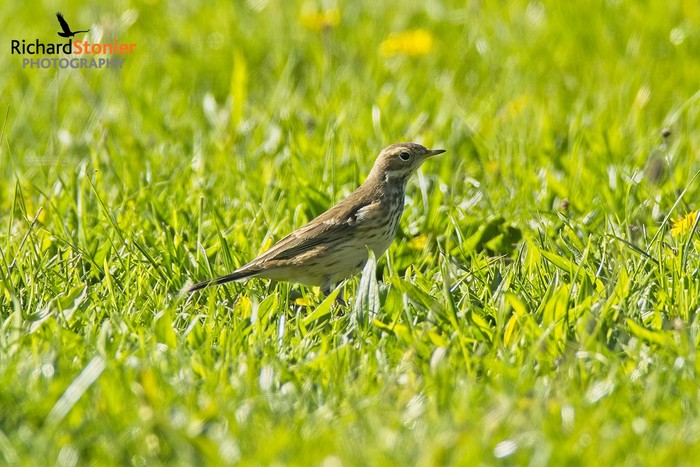
With westerlies, pleasingly, came a small flush of American Buff-bellied Pipits - this erstwhile mega now being pretty much anticipated annually these days. The week kicked off with one on St Kilda (Western Isles) on 4th, followed by further individuals on North Ronaldsay (Orkney) on 7th and St Mary’s (Scilly) on 8th-10th hot on the heels of an additional possible bird briefly on neighbouring St Agnes on 6th.
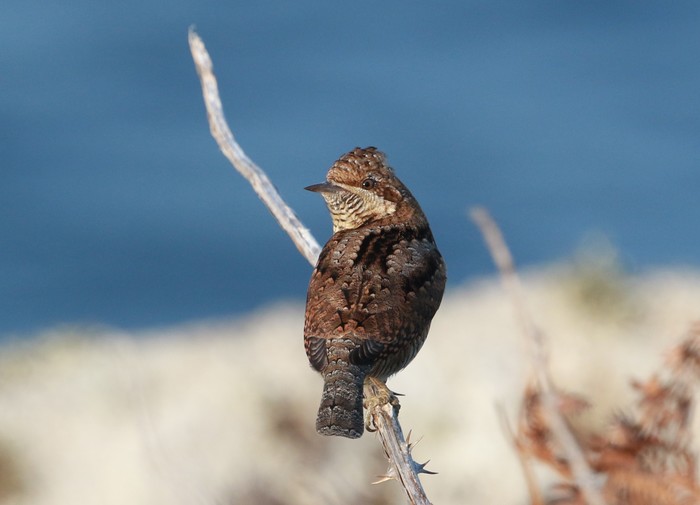
Wrynecks were almost the sole preserve of Scilly this week with sightings coming from St Mary’s on 4th-10th, Tresco on 6th-8th, and St Agnes on 7th-8th. Further sightings came from The Lizard (Cornwall) on 8th-9th.
Rose-coloured Starlings were seen at Lodmoor RSPB (Dorset) on 4th and Lundy (Devon) on 6th.
A probable Short-toed Lark was noted over Besthorpe NWT (Nottinghamshire) on 8th; another was seen on 8th at Loop Head (Co.Clare); and a brief bird on 10th on St Agnes (Scilly).
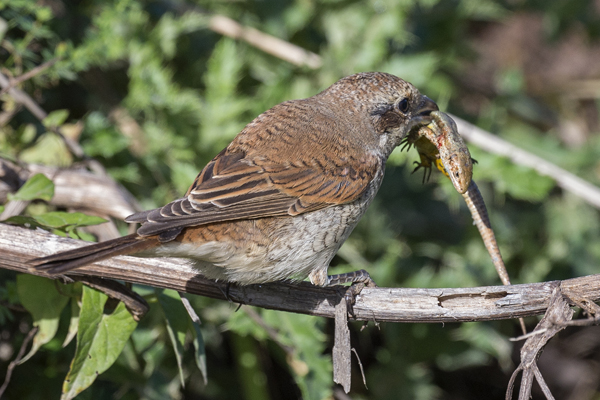
Shrikes of any kind were in short supply lately. The Red-backed Shrike remained at Medmerry RSPB (West Sussex) on 4th-8th, and a Woodchat Shrike settled into Pendeen (Cornwall) on 4th-10th, followed by a second Woodchat for the week on 10th at Mizen Head (Co.Cork).
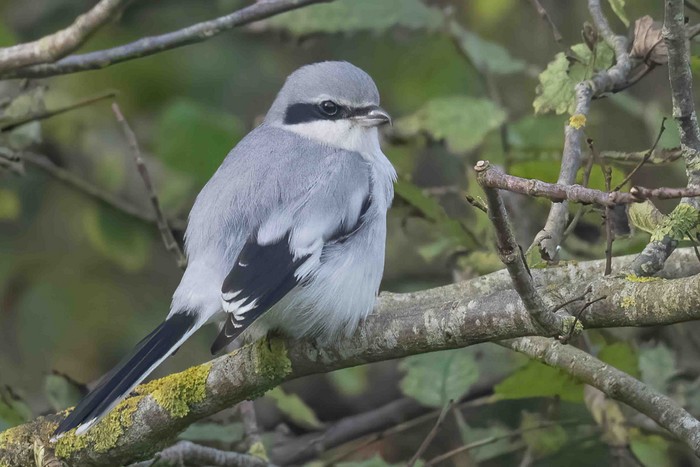
In Shetland the probable homeyeri Great Grey Shrike remained faithful to Hillswick on 4th-10th. Another possible Great Grey was reported from Yealand Redmayne (Lancashire & North Merseyside) on 8th.
The Red-eyed Vireo was once again seen at Kilbaha (Co.Clare) on 9th.
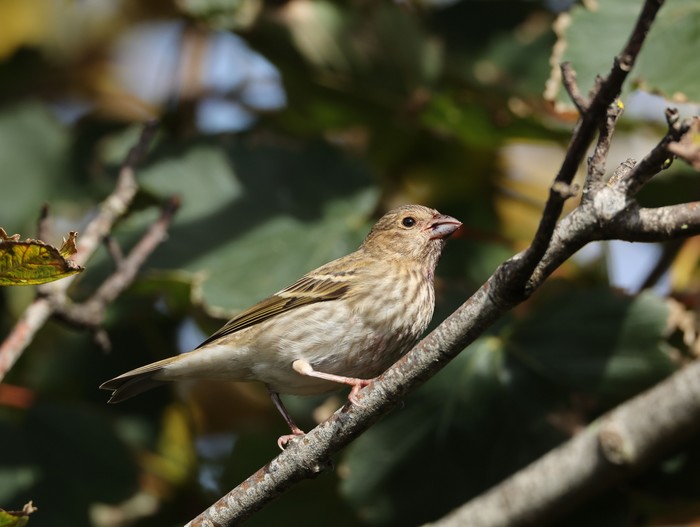
The merest handful of Common Rosefinches were seen this week, with Shetland unusually drawing a complete blank. Two were present on Barra (Western Isles) on 8th; one was down on St Mary’s (Scilly) on 4th-10th with anoyther on St Martin’s on 10th; and two were settled on Inishbofin (Co.Galway) on 4th-8th, rising to three birds there on 9th-10th.
A Serin was seen at Porthgwarra (Cornwall) on 8th.
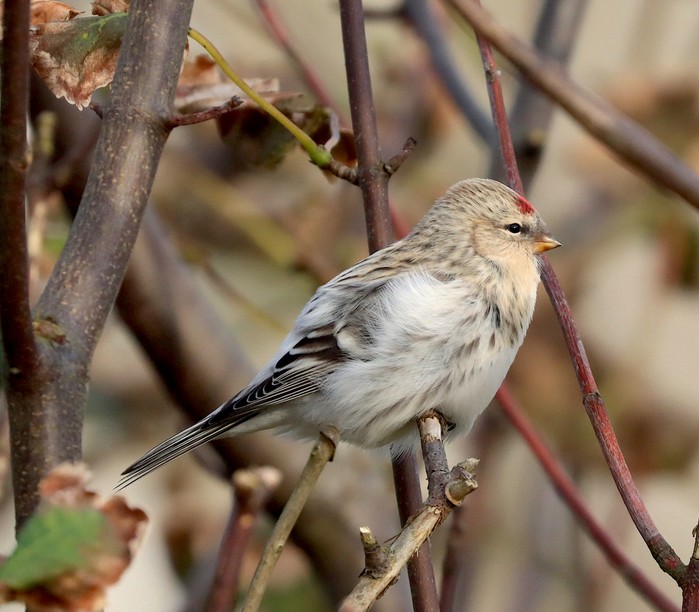
The autumn’s standout event in the north has surely been the influx of hornemanni Arctic Redpolls - 15 birds were logged this past week in Orkney and Shetland, with some sites holding multiple birds. North Ronaldsay (Orkney) peaked with three birds on 7th while, in Shetland, Hillswick retained two birds on 4th-9th, and two were out on Foula on 6th still.
A probable Arctic Redpoll, away from northern Scotland, was seen with Linnets in Ireland at Cross Lough (Co.Mayo) on 8th.
Finishing pretty much where we started the weekly preamble, Shetland’s Unst held onto an Ortolan Bunting on 4th-9th, while Scilly had Little Bunting(s) on St Martin’s still on 4th-5th, St Agnes on 7th, and St Mary’s on 10th.
For a pleasant autumnal change we can start the overseas news well within the Western Palearctic and on our doorstep rather than out on the WP’s very periphery in the Azores, courtesy of France’s superb run of recent birds. Or should we just say Ouessant’s superb run, for the island was absolutely winning at birding life this week…
Ouessant’s excellent run began with a Baltimore Oriole on 5th, and followed that with a quick one-two of Red-eyed Vireo and Northern Harrier on 7th – both oriole and harrier being national firsts. Nor was that France done with us, for on 8th Île de Sein landed a Common Nighthawk, and a Brown Booby was seen at Cap Gris-Nez.
Common Nighthawk, Chordeiles minor photographed at Ile de Sein, 2nd record for France pic.twitter.com/af6s96YalO
— Tarsiger (@TarsigerTeam) October 8, 2022
Skirting around our margins, a Two-barred Greenish Warbler was present on Heligoland (Germany) on 4th, followed by the country’s first Eastern Yellow Wagtail on 9th.
A Yellow Warbler on Vágar on 7th was the first Faroese record of the species, and if that was causing Danish birders any twinges of angst it was swiftly dispelled by the first Danish record at Agger on 8th-9th.
A male Black-throated Thrush was found on 8th on Svalbard (Norway) at Longyearben.
Iceland got a Common Yellowthroat at Stokkseyri on 10th.
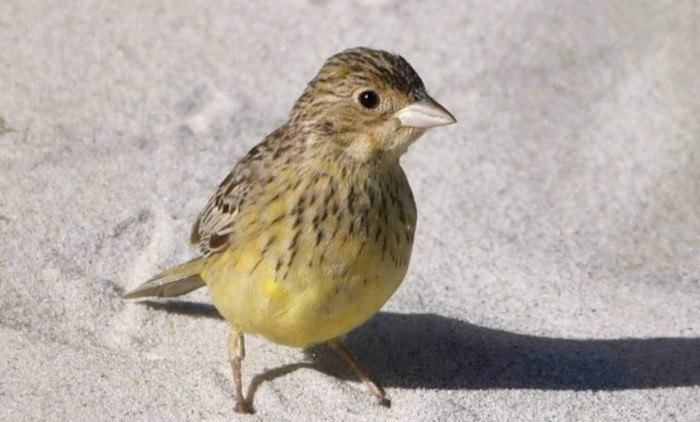
A Red-headed Bunting found in Poland at Hel on 6th poses an interesting hypothetical question had the Kentish Yellow-browed Bunting only been that species – would it finally get a more favourable reception in these quarters were one to turn up? Have the times changed enough yet?
And then, of course, there’s the Azores. Flores got a Mourning Dove on 7th. Corvo enjoyed three Red-eyed Vireos on 5th dropping to one bird by 7th; American Redstart on 5th; Great Blue Heron on 5th; a Bobolink on 5th rising to two birds there on 7th; a Brown Booby on 5th rising to two birds on 6th; three Semipalmated Plovers on 5th; and, on 10th, bringing us right back to where we began, a Least Bittern.
We’re now firmly into the heart of October and, at the time of writing, it looks like the week to come is set to be dominated by westerlies of one hue or another.
That may not augur vast numbers of migrants to sift through for anyone birding Britain or Ireland’s peripheries in the days to come, but it certainly lets the imagination loose upon what might scrape in with a fair following wind and a generous dose of good fortune.
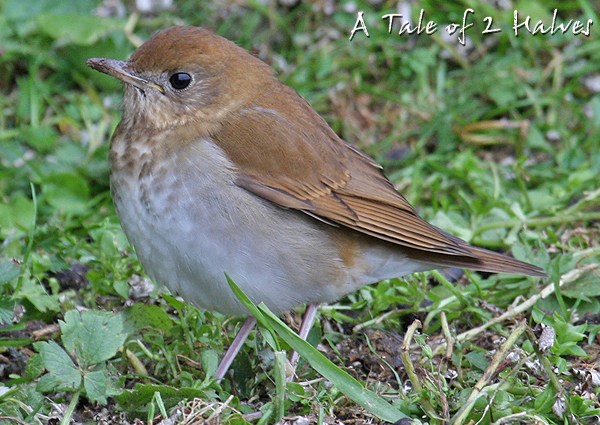
Traditionally, the coming week is a strong one for Catharus thrushes, dominated by Grey-cheeked with 20 accepted records and closely followed by Swainson’s with 14 accepted records on the books. Rare fare still is represented by two past records apiece for Hermit Thrush and Veery.
Both the latter species are roughly neck and neck in terms of prior British records - Hermit Thrush, with 13 birds to its name, just about beating Veery on 11 birds.
Scilly, for all it’s enjoyed four past Hermit Thrushes, has yet to land a Veery, and one feels somewhat overdue. A popular bird this week then were one to bob into view in the furrows of a Scillonian bulb field…
Jon Dunn
11 Oct 2022
Many thanks to all this week's contributors for your photos and videos
Share