WWT Caerlaverock closed until spring as major changes continue
The wetland centre has entered a temporary closure period following operational changes and restructuring, with reopening planned for spring
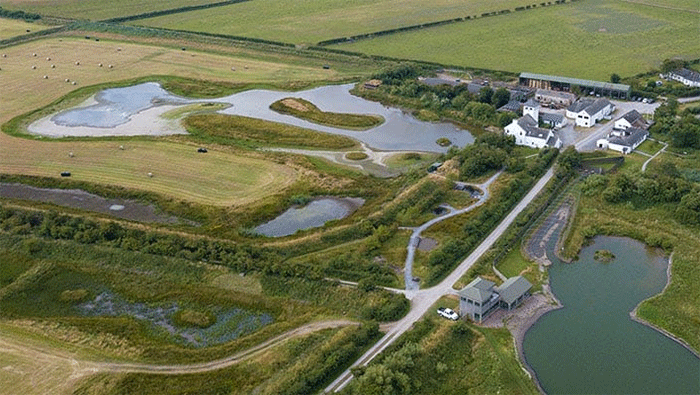
WWT Caerlaverock is now closed to visitors and will remain shut until spring 2026, after the Wildfowl & Wetlands Trust took the decision to pause public access while significant changes are completed at the site.
The closure follows a period of transition that began earlier in November, when WWT announced plans to reshape how the reserve operates in order to secure its long-term future. Since then, work has been taking place on physical changes to the main entrance, alongside wider organisational changes behind the scenes.
WWT has acknowledged that the period leading up to the closure was disruptive for visitors. Although the centre stayed open for as long as possible, the Trust says it was not always able to deliver the level of experience people expect, particularly as staffing levels were reduced during the transition.
A central part of the changes involves restructuring the team at Caerlaverock. The focus is moving away from staffing the shop and café, towards a smaller team dedicated to developing the reserve itself, ensuring it can thrive for wildlife and people in the years ahead. In the short term, this shift meant there were not enough staff to operate the centre to the standard expected.
The timing of the closure will be a disappointment for many, especially as winter is traditionally one of the most popular seasons at Caerlaverock, when large numbers of geese and swans gather to create some of the reserve’s most impressive wildlife spectacles.
WWT says the temporary closure is a necessary step to allow remaining work to be completed and to lay the foundations for a stronger future. The Trust says it is “looking ahead to reopening the reserve in spring 2026, when visitors will once again be able to enjoy the internationally important wetlands and the wildlife they support.”
January 2026
Get Breaking Birdnews First
Get all the latest breaking bird news as it happens, download BirdAlertPRO for a 30-day free trial. No payment details required and get exclusive first-time subscriber offers.
Share this story