Urban Birds Wait Longer Before Fleeing from People
New research has shown how two familiar urban birds adjust their escape decisions and refuge choices in cities compared to rural landscapes
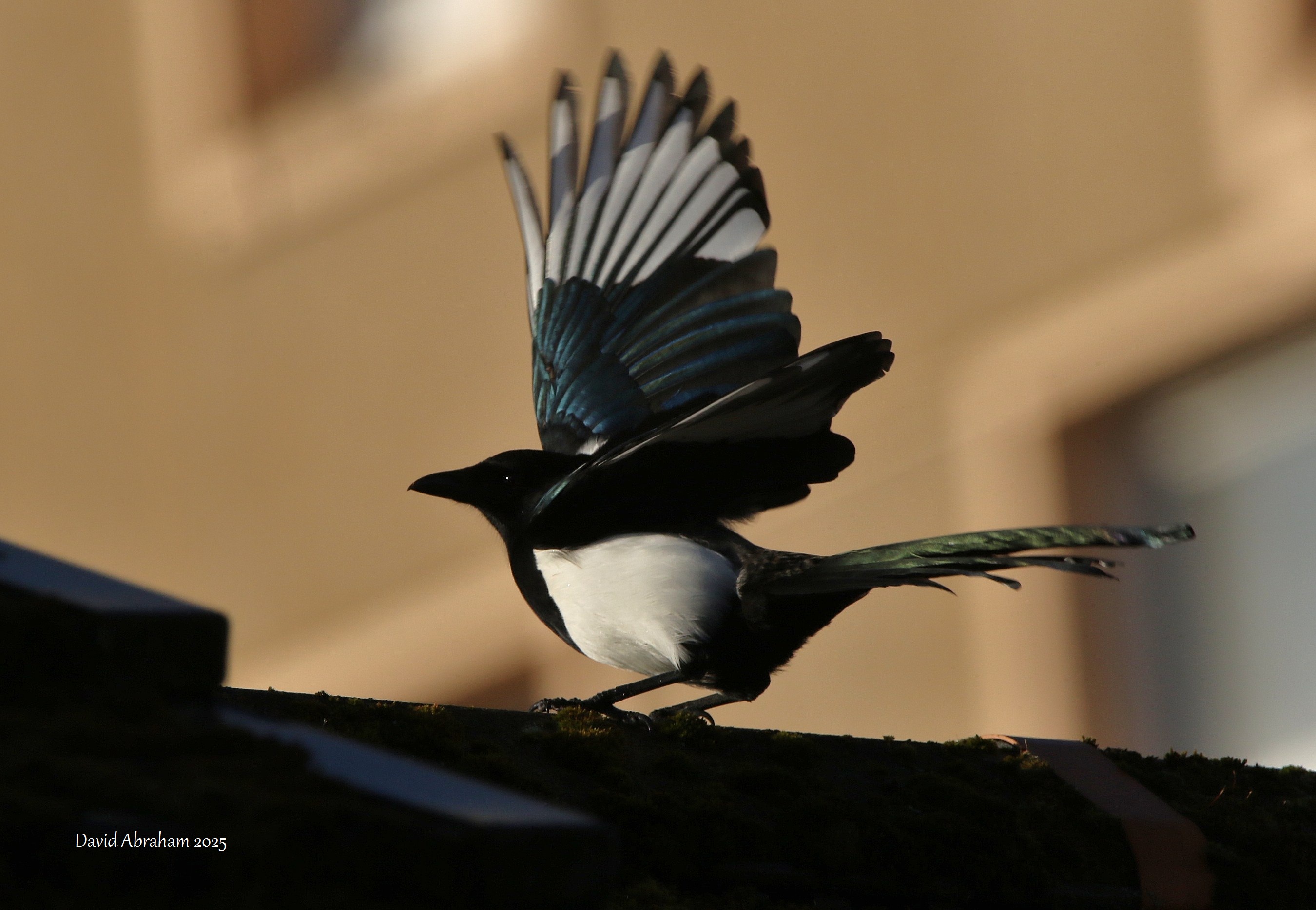
Urban birds show higher tolerance to humans
Sparrows and magpies living in Chengde’s city parks waited longer before taking flight when approached by a person, compared to their rural counterparts. Both species showed shorter flight initiation distances in urban settings, indicating greater tolerance to close human presence. This appears linked to the constant, non-threatening disturbance that characterises city life.
In both species, higher levels of immediate human activity led to even shorter escape distances. Birds in busy locations delayed taking flight, likely because they were accustomed to frequent passing foot traffic and assessed the risk as low.
Group size matters for sparrows – but not magpies
Sparrows in larger groups fled earlier. With more individuals scanning for danger, the flock detected threats sooner, supporting the “many eyes” effect seen in other species. Magpies showed no such clear relationship, possibly because the groups observed were smaller and less consistent.
Two species, two escape strategies
When choosing where to flee, sparrows and magpies diverged sharply. Sparrows frequently fled into bushes as well as trees, balancing safety with a lower-energy escape route that was close at hand. Magpies overwhelmingly chose tall trees or artificial structures that gave them greater height above the ground.
Magpies avoided bushes almost entirely, likely because of their larger size and the safety benefits of height. In contrast, sparrows used bushes extensively, particularly in areas where tall trees were sparse.
Urban layout shapes refuge choices
Magpies in rural areas were far more likely to flee to the ground. Follow-up measurements showed that rural birds had far fewer trees within close reach, suggesting that habitat structure – rather than behaviour alone – influenced this difference. Sparrows, being smaller and more agile, tended to remain closer to refuges of all kinds regardless of landscape.
Why these findings matter
The study highlights how birds adjust both their vigilance and their escape routes when living alongside humans. It also suggests that different species rely on very different refuge types. This has clear implications for urban planning: cities that provide a mix of tall trees, dense shrubs, and safe green spaces can better support a diverse bird community.
November 2025
Read the full paper here
Get Breaking Birdnews First
Get all the latest breaking bird news as it happens, download BirdAlertPRO for a 30-day free trial. No payment details required and get exclusive first-time subscriber offers.
Share this story