Spoonbills breed in Suffolk for first time in 300 years
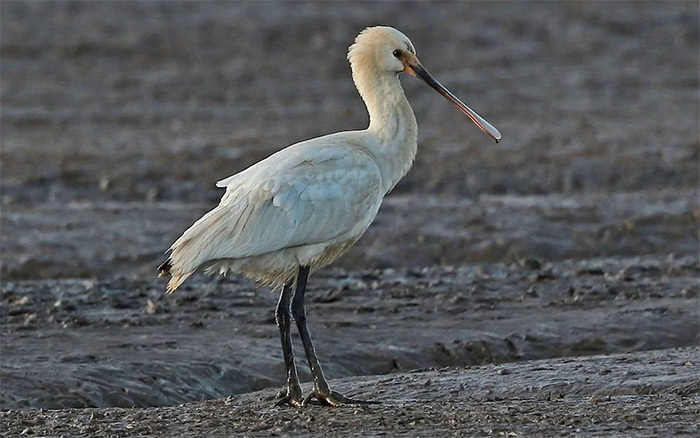
Spoonbills, have successfully raised chicks for the first time in Suffolk since 16681. The birds were discovered nesting on RSPB Havergate Island nature reserve, Suffolk’s only island. The RSPB have been working over the last 15 years to encourage Spoonbills to breed on the island.
After a huge tidal surge in 2013, the RSPB, with funding from Defra, lowered spillways into Havergate so it became a natural flood defence to accommodate climate-change related increases in the frequency and magnitude of North Sea surges. Over 500m of sea wall was reduced half a metre in height to allow water to flood into natural lagoons around it during storm surges. This protected the seawall around the island from mass failure and also helped protect nearby residents with additional flood storage in the lower Alde-Ore.
The Environment Agency said in 2013 the work was being carried out as part of research to develop their understanding of how natural flood management can protect residents from the risk of increased flooding in the future.
Aaron Howe, RSPB South Suffolk Sites Manager said:
“We never gave up the hope Spoonbill fledglings would take that very first, special flight from Havergate island once again. During lockdown at the RSPB we heard time and time again from people how they reconnected with the wildlife on their doorstep like never before and found solace in nature.
“We hope the news that these rare and incredible birds had a breakthrough after 15 years work will help raise people’s spirits.”
In recent years, Havergate Island staff have seen increasing numbers of visiting Spoonbills, but until now, no chicks survived.
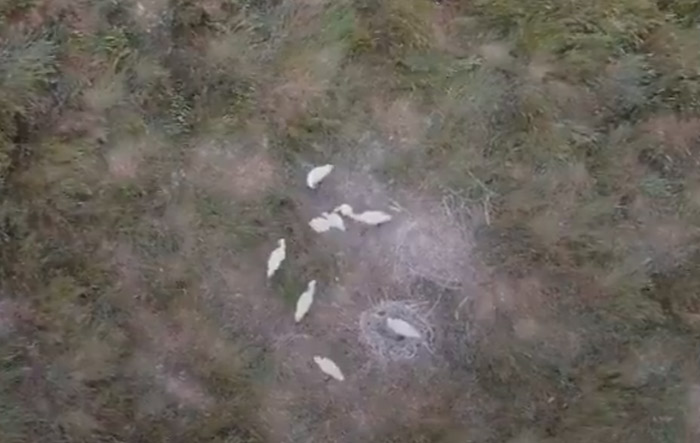
The team used a range of techniques to encourage these unique birds to nest on the site, restoring natural habitats and even putting out models of Spoonbills, complete with ready made“nests”. After creating special raised platforms, which mimic their natural nest sites, the visiting Spoonbills began displaying breeding behaviours such as passing sticks to each other, grooming partners, preening and sleeping on the platforms. In 2019 conservationists had their first sign of hope when five pairs made nests, but sadly none were successful.
Following the glimmer of hope in 2019, the team installed a 350 metre long protective fence, partially submerged in water, around the nesting site. This year over 30 Spoonbills visited the island and delighted the team when four chicks were successfully raised from two separate nests. As the nests are remote and some distance from the hide it was not possible for conservationists to see the nests. So a drone fitted with a zoom camera was specially purchased to confirm which Spoonbills were actively nesting and feeding their chicks.
Aaron added: “Projects like these show how important reviving natural habitats is for the survival of our precious wildlife – and for people. Wildlife-rich greenspaces are not only vital for our wellbeing but can also provide other benefits for the community such as the natural flood defences at Havergate Island.
“It is only because of our brilliant members and supporters we can protect these sites and the wildlife that call our reserves home. Together we can give nature the best shot at recovering and thriving.
“The message is clear – if we look after nature, nature will look after us. “With protection of their all-important habitats we are hoping Spoonbills will continue to thrive across the country, and at RSPB Havergate Island.”
The reserve, along with Minsmere, was instrumental in the successful re-establishment of avocets in the UK in the late 1940s, which had been extinct from the UK for a century.
14 September 2020
Share this story