Scottish butterfly population shows moderate increase
Butterfly populations have increased in Scotland, likely as a consequence of warmer summers.
The latest Scottish Biodiversity Indicator published by NatureScot examines the long-term trend for butterflies since 1979.
While the trend shows a moderate increase overall, the picture is complex, with species faring differently.
Some butterfly populations in the UK continue to shift northwards as a response to climate change.
Those expanding their range northwards into southern Scotland include small skipper, Essex skipper and, most recently, white-letter hairstreak.
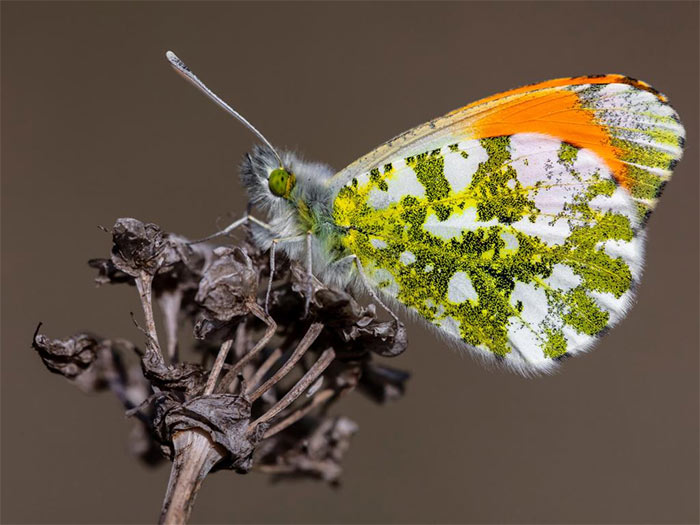
Ringlet, peacock, and orange-tip show significant long-term population increases, while the small heath is also on the up.
Meanwhile speckled woods have expanded their range from their strongholds in Highland and south-east Scotland into new areas.
Regular migrant butterflies such as the red admiral are also increasing over the long-term as a response to warming.
Species in long-term decline include the small tortoiseshell, which may be due to poorer overwinter survival in warmer and wetter winters.
Grayling have also declined but the small pearl-bordered fritillary and pearl-bordered fritillary have increased significantly. These two species may be benefitting from native woodland planting and targeted management at specific sites.
Simon Foster, NatureScot Trends and Indicators Analyst, said: “We know that habitat loss, climate change and urban development are among the key factors that are affecting butterfly populations.
“We’re working with partners across Scotland on a range of projects to help our butterflies and other pollinators thrive, from habitat creation and management to promoting wildlife friendly gardening and best practice guidance for developers.
“Butterflies can also benefit greatly from more people getting involved in citizen science. If you would like to help why not join the Butterfly Monitoring Scheme and get involved with surveys? It’s easy, fun and can help us improve our knowledge of what is happening where, giving us the best chance of targeting conservation measures most effectively.”
Vulture Conservation Foundation
13 October 2020
Share this story