Scotland becomes first UK country to put Swift bricks into law
New-build nesting spaces move a step closer - as campaigners warn Swifts “cannot afford to wait”
A lifeline for a threatened species
Scotland has made history by becoming the first UK country to introduce a legal requirement that should see nesting bricks for Swifts included in new buildings.
The RSPB says this is “an incredibly important step” towards reversing the decline of one of Scotland’s most threatened birds - a summer soundscape classic that has been disappearing from towns and cities.
Swifts are almost entirely aerial outside the breeding season, returning each spring to nest in crevices and cavities in buildings. But those opportunities have been shrinking as older structures are renovated, sealed, or replaced - and the losses have been stark. The RSPB notes that “nearly two out of every three Swifts in the UK have been lost since the mid-1990s”.
Why Swift bricks matter
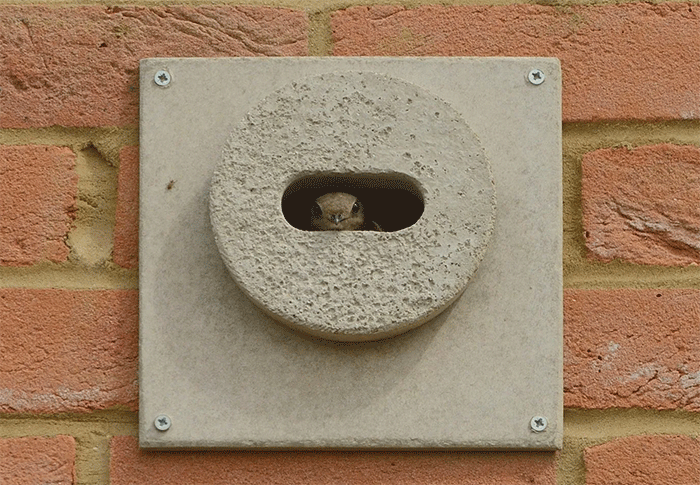
Swift nesting bricks are specially designed hollow bricks that are built directly into walls - and they can be fitted even when buildings aren’t made of bricks.
As well as helping Swifts, these built-in nest spaces can benefit other cavity-nesting birds, including House Sparrows, Starlings and House Martins, by replacing the holes and ledges that modern architecture often removes.
The RSPB describes the approach as straightforward and affordable, saying: “Ensuring Swift bricks are included in new buildings is a simple, cheap and effective measure that will help save this beautiful and remarkable creature.”
What about the rest of the UK?
The RSPB says attempts to introduce a legal requirement for Swift bricks elsewhere in the UK have “so far failed or barely begun”.
In its update, the charity points to recent setbacks in England and Wales, while noting that there is interest in Northern Ireland. Against that background, Scotland’s move - backed by significant cross-party support - is being framed as both a breakthrough and a prompt for others to follow.
More in the Bill - and what happens next
The Swift bricks measure sits within Scotland’s wider Natural Environment Bill, which the RSPB says marks “a turning point for Scotland’s nature”, including new requirements to set legally binding nature targets.
The Bill also strengthens legal protection for Scotland’s internationally important Ramsar wetlands, which the RSPB highlights as including places such as Loch Lomond and the Flow Country peatlands.
But the RSPB is clear that passing the legislation is only part of the story. It says the Scottish Government will need to consult on the measures before the requirement is fully brought into force - and adds: “We will be watching closely to make sure this happens without delay - Swifts cannot afford to wait.”
A visible conservation win - built into everyday places
For many birders, Swifts are among the most evocative birds of the year - high summer, screaming parties overhead, and that sense of speed and urgency that no other species quite matches.
February 2026
Get Breaking Birdnews First
Get all the latest breaking bird news as it happens, download BirdAlertPRO for a 30-day free trial. No payment details required and get exclusive first-time subscriber offers.
Share this story