Scientists Record Bat Killing Robin in Flight
New study confirms that Greater Noctule Bats intercept and eat migrating songbirds in mid-flight
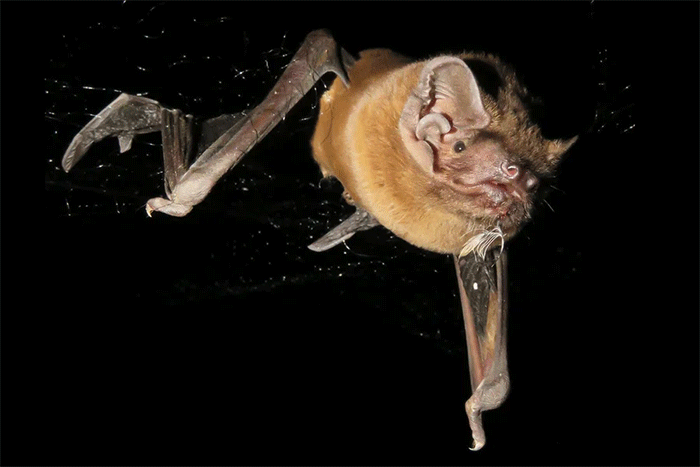
The study has revealed that Greater Noctule Bats Nyctalus lasiopterus – Europe’s largest bat species – actively hunt and consume migrating birds during nocturnal flights, overturning long-held assumptions about bat diets and bird migration safety at night.
Predators in the night sky
Using high-resolution ultrasonic recorders and miniature GPS sensors, researchers documented the bats emitting distinctive “chewing buzzes” while attacking and consuming small passerines flying high above the forests of Spain and Hungary. The evidence confirms decades of speculation that some bats feed on birds, rather than insects alone.
Recordings captured the precise moments of pursuit and impact, while genetic traces in bat droppings identified remains of robins, warblers and other small migrants. The findings mark the first time bird predation has been proven through direct sound and flight data rather than inference from diet analysis.
How and why they do it
The study suggests that Greater Noctule Bats exploit the huge nightly flux of migrating birds crossing Europe each autumn and spring. Their wings are adapted for high-speed flight at altitudes up to 1,000 metres, overlapping with the migration paths of small songbirds. By using echolocation to detect wingbeats and rapid aerial manoeuvres, they strike and subdue their prey mid-air before consuming them on the wing.
Researchers believe this unique hunting strategy evolved to take advantage of abundant seasonal food resources, though it may also expose the bats to higher energetic costs and navigational risks compared with insect-hunting species.
Changing our view of nocturnal migration
For ornithologists, the discovery adds a new dimension to the perils of night migration. While storms, light pollution and wind turbines are well-documented hazards, aerial predation by bats represents a little-known but potentially significant source of mortality for small birds crossing Europe.
The findings also highlight the remarkable ecological flexibility of bats, blurring the lines between mammalian and avian foraging niches. As researchers put it, the night skies are not just a migratory highway – they are also a hunting ground.
October 2025
Get Breaking Birdnews First
To get all the latest breaking bird news as it happens, download BirdAlertPRO for a 30-day free trial – no payment details required – and access exclusive first-time subscriber offers.
Share this story