Reedbed restoration brings Marsh Harrier back to breed in Scotland
Targeted wetland improvements have created the dense, wet habitat this scarce raptor needs - and the birds have responded
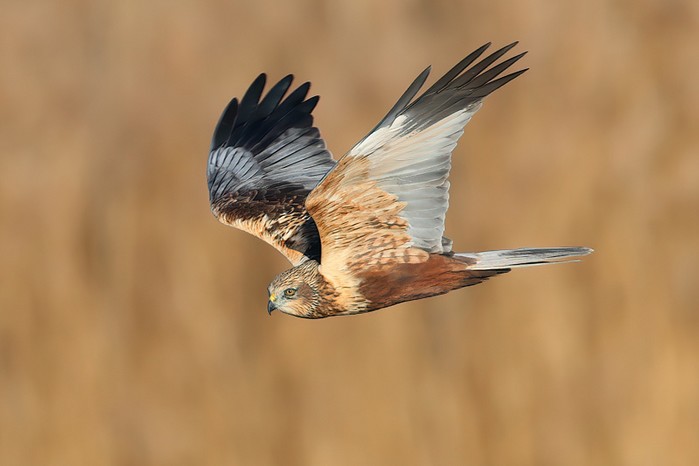
A habitat restored - and a raptor returns
A restored Scottish reedbed is now supporting breeding Marsh Harrier, marking a significant milestone for wetland recovery. After targeted work to improve water levels and reed structure, the site has once again become suitable for one of Britain’s most habitat-dependent birds of prey.
Why reedbeds are critical for Marsh Harrier
Marsh Harrier Circus aeruginosus nests on the ground within dense reedbeds, relying on thick vegetation for concealment and nearby open water and rough grassland for hunting. If reedbeds dry out, become fragmented or are overtaken by scrub, they quickly lose their value for breeding harriers. Suitable sites need scale, consistent water levels and careful management to maintain the right structure year after year.
What changed on the ground
The recent restoration focused on re-wetting parts of the reedbed, controlling scrub encroachment and encouraging vigorous reed growth. Creating a mosaic of tall reed, wet margins and feeding areas has rebuilt the ecological conditions that specialist species depend on. These changes are practical rather than cosmetic - without the correct hydrology and structure, even large reedbeds can fail to support nesting birds.
A wider boost for wetland wildlife
Although Marsh Harrier is the headline species, healthy reedbeds benefit a much broader wetland community. Other reedbed birds, along with invertebrates and amphibians, depend on the same mix of dense vegetation and shallow water. Restoring reedbeds therefore strengthens the entire food web, increasing prey availability and attracting predators at the top of the chain.
Proof that habitat-first conservation works
The return of breeding Marsh Harrier underlines a simple conservation principle - get the habitat right and species can respond. Reedbeds are among the UK’s most specialised and vulnerable habitats, often reduced by drainage and land-use change. This example shows that when water levels are restored and vegetation properly managed, even scarce and selective birds can re-establish surprisingly quickly.
The long-term challenge
The key test now will be consistency. Reedbeds are dynamic systems that require ongoing management to prevent drying, scrub invasion or structural decline. If the work continues and conditions are maintained, this restored site could support Marsh Harrier for years to come - and provide a model for similar wetland projects elsewhere in Scotland.
February 2026
Get Breaking Birdnews First
Get all the latest breaking bird news as it happens, download BirdAlertPRO for a 30-day free trial. No payment details required and get exclusive first-time subscriber offers.
Share this story