RSPB says Scotland's bird-control licensing system is 'not fit for purpose'
The conservation charity is calling for mandatory reporting and stronger oversight of General Licences used to control wild birds.
RSPB Scotland has described the country's system for licensing the control of wild birds as "not fit for purpose", arguing that its use is neither routinely monitored nor adequately reported.
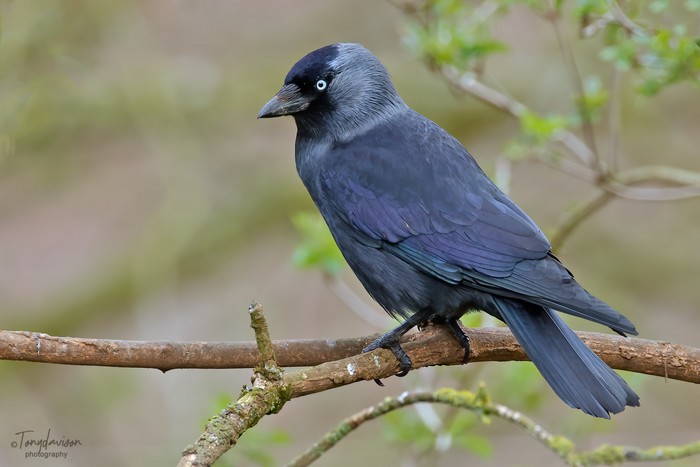
NatureScot issues General Licences permitting specified activities that would otherwise be offences under wildlife law. They allow authorised people to kill or take certain common species, including crows, Rooks and Jackdaws, for purposes such as preventing serious damage, protecting public health or conserving other wild birds.
Unlike an individual wildlife licence, users do not normally have to submit an application before relying on a General Licence. They must comply with its conditions, but RSPB Scotland says NatureScot does not routinely collect information showing who has used the licences, where they have been used, the stated reason for control or how many birds have been killed.
The charity is responding to a NatureScot review covering 16 proposed General Licences for 2027. It wants the system to include mandatory returns, active compliance monitoring and an annual public summary of how the licences have been used.
The organisation says the absence of basic reporting makes it impossible to establish the true scale of licensed bird control in Scotland or to judge whether licences are being used only when necessary and after suitable non-lethal alternatives have been considered.
RSPB Scotland also points to the risk of legal traps being misused against protected birds of prey. In March, a former gamekeeper pleaded guilty at Perth Sheriff Court to killing a Goshawk caught inside a crow cage trap on the Milton of Drimmie Estate. He was sentenced in April to a 200-hour Community Payback Order, while a separate firearms offence attracted an £890 fine.
Crow cage traps may be operated legally under the relevant licence conditions, but every non-target bird must be released unharmed. The Goshawk case led NatureScot to restrict use of General Licences on part of the estate for three years from 7 August 2026.
General Licences are intended to provide a proportionate way of dealing with relatively common situations without requiring thousands of individual applications. NatureScot describes the approach as a balance between wildlife management and species protection, and stresses that operators remain legally bound by every condition of the licence.
The dispute therefore concerns the level of oversight attached to that light-touch system rather than whether bird control should ever be permitted. RSPB Scotland argues that compulsory records and published totals would allow NatureScot, conservationists and the public to assess whether the balance is working.
NatureScot's consultation closes on 31 August. RSPB Scotland has published its concerns and proposed reforms.
25 Aug 2026
Get Breaking Birdnews First
Get all the latest breaking bird news as it happens, download BirdAlertPRO for a 30-day free trial. No payment details required and get exclusive first-time subscriber offers.
Share this story