


Pollution leaves its mark deep inside seabirds' cells
New research shows that long-term exposure to environmental pollutants alters how seabird cells produce energy, with potential consequences for survival and breeding
Looking beyond feathers and organs
The impacts of pollution on seabirds are often visible at the surface – oil-coated plumage, contaminated eggs, or declining breeding success. But new research reveals that pollutants can also affect birds at a far more fundamental level, altering how their cells generate the energy needed to survive.
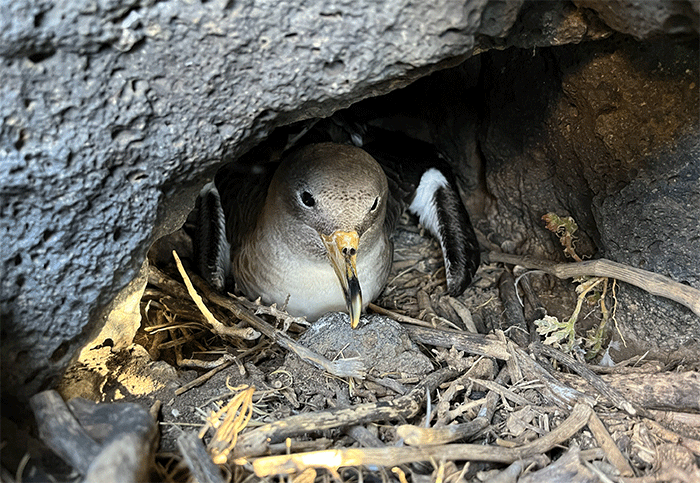
The study focuses on a wild seabird exposed to persistent environmental contaminants and examines changes in mitochondrial bioenergetics – the processes by which cells convert nutrients into usable energy. Mitochondria, often described as the power stations of the cell, are essential for everything from thermoregulation and flight to immune defence and reproduction.
Mitochondria under chemical stress
Researchers found that birds with higher pollutant loads showed clear changes in mitochondrial function. Rather than producing energy efficiently, their mitochondria operated less effectively, with altered respiration rates and reduced capacity to meet energetic demands.
These changes were not random. The results suggest that pollutant exposure reshapes how mitochondria balance energy production against cellular stress, potentially forcing birds into a metabolic trade-off between immediate survival and longer-term health.
Energy efficiency comes at a cost
In some individuals, mitochondria appeared to compensate for pollutant stress by adjusting how energy was generated. While this may help maintain basic function in contaminated environments, it is unlikely to be cost-free. Less efficient energy production can increase oxidative stress, placing additional strain on cells and tissues.
Over time, these hidden physiological costs may accumulate, particularly in long-lived seabirds that experience chronic exposure to pollutants throughout their lives.
Why this matters for wild populations
Energy sits at the centre of a bird’s ecology. Flight, foraging, migration, thermoregulation and breeding all depend on tightly balanced energy budgets. Subtle disruptions at the cellular level could therefore have far-reaching effects, even if birds appear outwardly healthy.
The study suggests that pollutant-driven changes to mitochondrial function could help explain links between contamination and reduced breeding success, lower survival rates, or increased vulnerability during energetically demanding periods such as migration or chick rearing.
Pollution as a long-term physiological burden
Unlike acute poisoning events, the effects described here are chronic and largely invisible. Persistent pollutants accumulate slowly, shaping physiology over months or years. This makes their impact harder to detect, but potentially more damaging at the population level.
By showing that pollution reaches as deep as the machinery of energy production itself, the research highlights a previously under-appreciated pathway through which human activity can influence wildlife.
A warning from the seabirds
Seabirds are often used as indicators of marine ecosystem health, and this study reinforces that role. Changes detected within their cells reflect wider environmental contamination, much of it originating far from the birds themselves.
The findings underline the importance of reducing persistent pollutants in marine systems – not only to prevent visible harm, but to protect the hidden physiological processes that underpin survival in the wild.
January 2026
Get Breaking Birdnews First
Get all the latest breaking bird news as it happens, download BirdAlertPRO for a 30-day free trial. No payment details required and get exclusive first-time subscriber offers.
Share this story





