Oh they do like to be beside the seaside
Chough spotted on a mini break along the Kent coast after a 200-year absence.

A trio of Chough have been spreading their wings and visiting some of Kent’s most popular coastal towns.
Eagle (chough)-eyed members of the public have reported sightings of the charismatic corvids as far afield as Ramsgate, Margate, and Broadstairs. The sightings come just two years after chough chicks were released in Dover as part of a groundbreaking conservation project to return the at-risk species to Kent.
The birds’ coastal adventures have come as a welcome surprise to conservation collaborators - Wildwood Trust, Kent Wildlife Trust, and Paradise Park - who have worked tirelessly to return the species to the Kent skyline after a 200-year absence.
Liz Corry, Chough Release Supervisor at Wildwood Trust, says they hadn’t expected the birds to travel so far so soon:
“Ahead of this year’s nesting season, we’d been using GPS to track the birds and had a sneaky suspicion they were venturing further afield. The tags only collect location fixes every two hours so we had gaps in the data.
“I then started receiving reports from bird watchers of choughs flying over places like King George VI Memorial Park and Walpole Bay.
“It’s heartening to see that these adventurous birds - not seen on the Kent skyline for generations - are not only surviving but thriving in our county once again. If we are able to prove they are foraging in these new areas it would indicate their home range is expanding, which takes us another step closer to the widespread recovery of the birds and their habitat in England.”
The conservation charities are calling for members of the public to report any sightings of the birds as they explore the county. The team will be able to use the information to help with safeguarding the future of the charismatic species.**
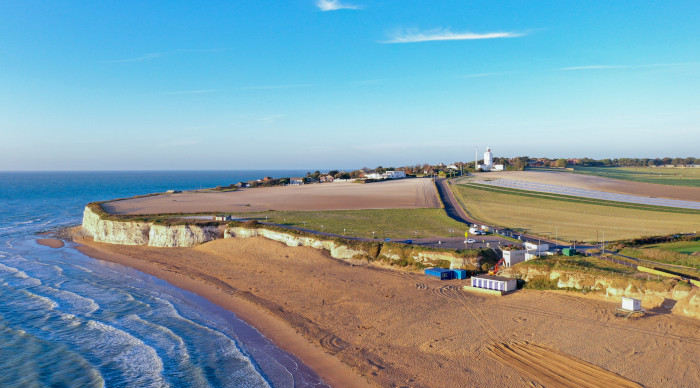
The sightings have come amidst preparations for a third season of chough releases, with the latest cohort due to hatch any day now in breeding aviaries at Wildwood Trust, just outside Canterbury. Additional choughs will be provided by Paradise Park in Cornwall, which manages a zoo-based breeding programme for the species.
They’ll join the 16 choughs already flying over the Kent coast from the two previous years of releases. The plan is to release (under licence from Natural England) between 30 and 50 birds over the five-year project.
The reintroduction has only been made possible thanks to the dedicated work of conservation organisations over the past four decades. Kent Wildlife Trust has collaborated with the likes of English Heritage, the National Trust, and the White Cliffs Countryside Partnership to restore chalk grassland habitat and reintroduce conservation grazing management across East Kent.
Director of Conservation for Kent Wildlife Trust, Paul Hadaway, explains:
“To witness the chough return to Kent’s coastline after two centuries is a powerful reminder of what’s possible when we restore nature at scale. These birds are not just a symbol of success for this project - they’re indicators of a healthier, more resilient landscape.
“By helping to rebuild the natural systems in key habitats like rare chalk grassland, we’re able to bring back lost species like the chough. These restored systems can then support biodiversity, climate resilience, and community connection to the land.”
Nationally, it is hoped the Kent population will be the first in a series of planned chough restoration projects along the south coast of England, which could act as stepping stones to connect isolated and fragmented populations. This is being coordinated by a Southern England steering group, which includes Natural England and a number of NGOs.
The recolonised population of chough in Cornwall shows what’s possible when the habitat is right, and this reintroduction project in Kent is driving further habitat restoration across the south coast.
Wildwood Trust
11 May 2025
Share this story