New Nature Reserve Secured at Worlingham Marshes After £775,000 Fundraising Success
Suffolk Wildlife Trust celebrates public support as 381-acre marshland becomes protected for future generations
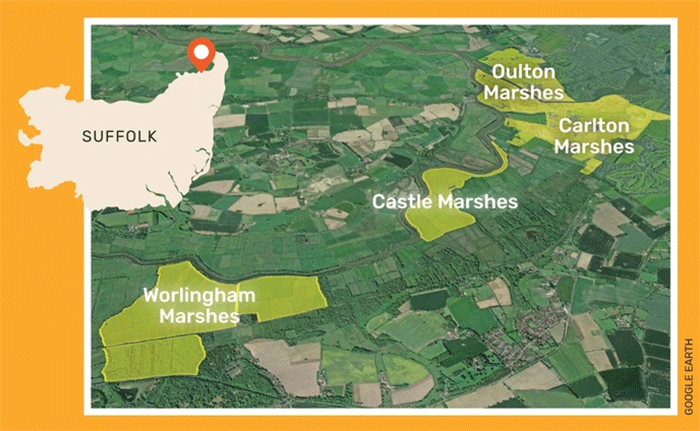
A turning point for Suffolk marshes
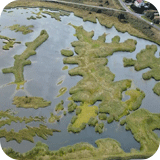
After a year of fundraising, Suffolk Wildlife Trust has confirmed they have raised the full £775,000 needed to complete the purchase of Worlingham Marshes, a new nature reserve in the Lower Waveney Valley. The funding completes a matched-funding scheme tied to a major grant from National Lottery Heritage Fund, securing 381 acres of marsh, fen, woodland and wetlands for wildlife and public enjoyment.
From private marsh to protected wild landscape
Worlingham Marshes was previously privately owned and used for grazing and wildfowling. Under the Trust’s plan, the land will be restored and managed to re-create a mosaic of wetland habitats — including grazing marsh, wet woodland, fen, scrub and water channels — helping reverse decades of habitat loss in the Broads National Park.
Community backing proves decisive
The fundraising campaign launched in February 2024 hinged on public support — from members, volunteers, businesses, legacy donors and local people. Their response exceeded expectations, enabling the Trust to meet the £775,000 target and finalise the purchase. The CEO of the Trust described the community’s contribution as “incredible”, emphasising that the new reserve will add a vital stretch of protected habitat to the Lower Waveney Valley.
Early signs of wildlife recovery
Work to restore the marshes has already begun. Dykes have been reactivated, scrub and fen habitats managed, and water levels adjusted to revive wetland conditions. The impact is already visible — for instance, counts of snipe have surged from just three birds before conservation began to 72 at the end of the 2024/25 season.
What this means for visitors and nature lovers
Worlingham Marshes joins the network of protected landscapes managed by the Suffolk Wildlife Trust and will eventually open to visitors. Access is easiest on foot via the Angles Way trail from nearby Beccles or the Trust’s Carlton Marshes reserve. Over time, the site will offer a real wild-landscape experience — a rare chance to explore restored marsh, woodland and fen in a nationally important river valley.
With this success, the Trust moves a step closer toward its wider ambition: protecting and restoring more of Suffolk’s wild places, giving nature space to come back, and giving people a chance to reconnect with the wild landscape on their doorstep.
November 2025
Get Breaking Birdnews First
Get all the latest breaking bird news as it happens, download BirdAlertPRO for a 30-day free trial. No payment details required and get exclusive first-time subscriber offers.
Share this story