Mass Vulture Poisoning Rocks Kruger National Park
Over 120 vultures killed in deliberate poisoning incident; conservationists call for urgent action
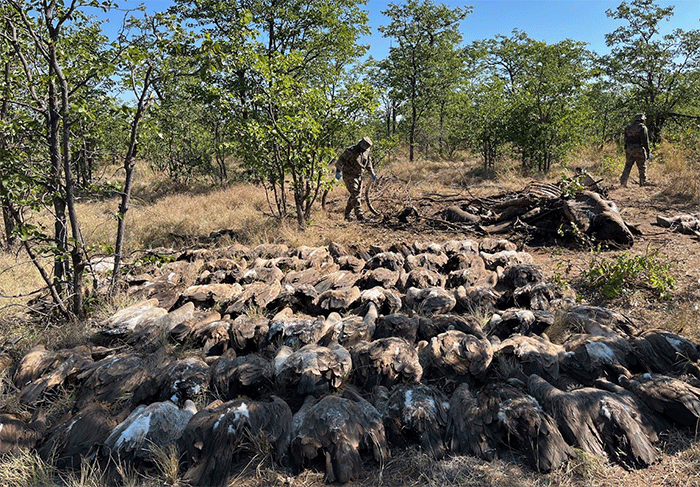
Tragedy in Kruger
On 6 May, a devastating incident unfolded in South Africa's Kruger National Park, where a poisoned elephant carcass led to the deaths of 123 vultures, marking one of the largest vulture poisoning events in Southern African history. The Vulture Conservation Foundation (VCF) reported that 116 vultures were found dead at the scene, with seven more succumbing shortly after. The species affected included 102 White-backed Vultures, 20 Cape Vultures, and one Lappet-faced Vulture, all of which are listed as Vulnerable or Critically Endangered.
Coordinated Rescue Efforts
The Endangered Wildlife Trust's (EWT) wildlife poisoning surveillance system detected suspicious activity in the Mahlangeni Section of the park at 06:05. By 08:20, a joint team from SANParks and EWT arrived to find the poisoned carcass surrounded by dead vultures. Immediate response included administering atropine, activated charcoal, and fluids to two severely poisoned vultures found nearby. Veterinary teams from Moholoholo Wildlife Rehabilitation Centre, Briner Veterinary Services, and Wildscapes Veterinary Services, supported by SANParks aerial units, conducted extensive rescue operations, including the first-ever helicopter deployment for a wildlife poisoning response of this scale.
Conservationists' Response
The VCF expressed profound concern over the incident, stating, "This devastating event underscores the urgent need for enhanced anti-poisoning measures and stricter enforcement against wildlife crimes." The organisation emphasised the critical ecological role vultures play as nature's clean-up crew, preventing the spread of diseases by consuming carcasses.
Broader Implications
This incident is part of a broader crisis affecting vulture populations across Africa, where poisoning, habitat loss, and illegal trade have led to significant declines. The African vulture crisis has been likened to the Indian vulture crisis, with similar ecological consequences, including increased disease transmission and disruption of ecosystems. Conservationists warn that without immediate action, these keystone species could face extinction, leading to far-reaching environmental and public health impacts.
20 May 2025
Share this story